

 SkillClick
How Plant-Based Dairy Fits Indian Diets
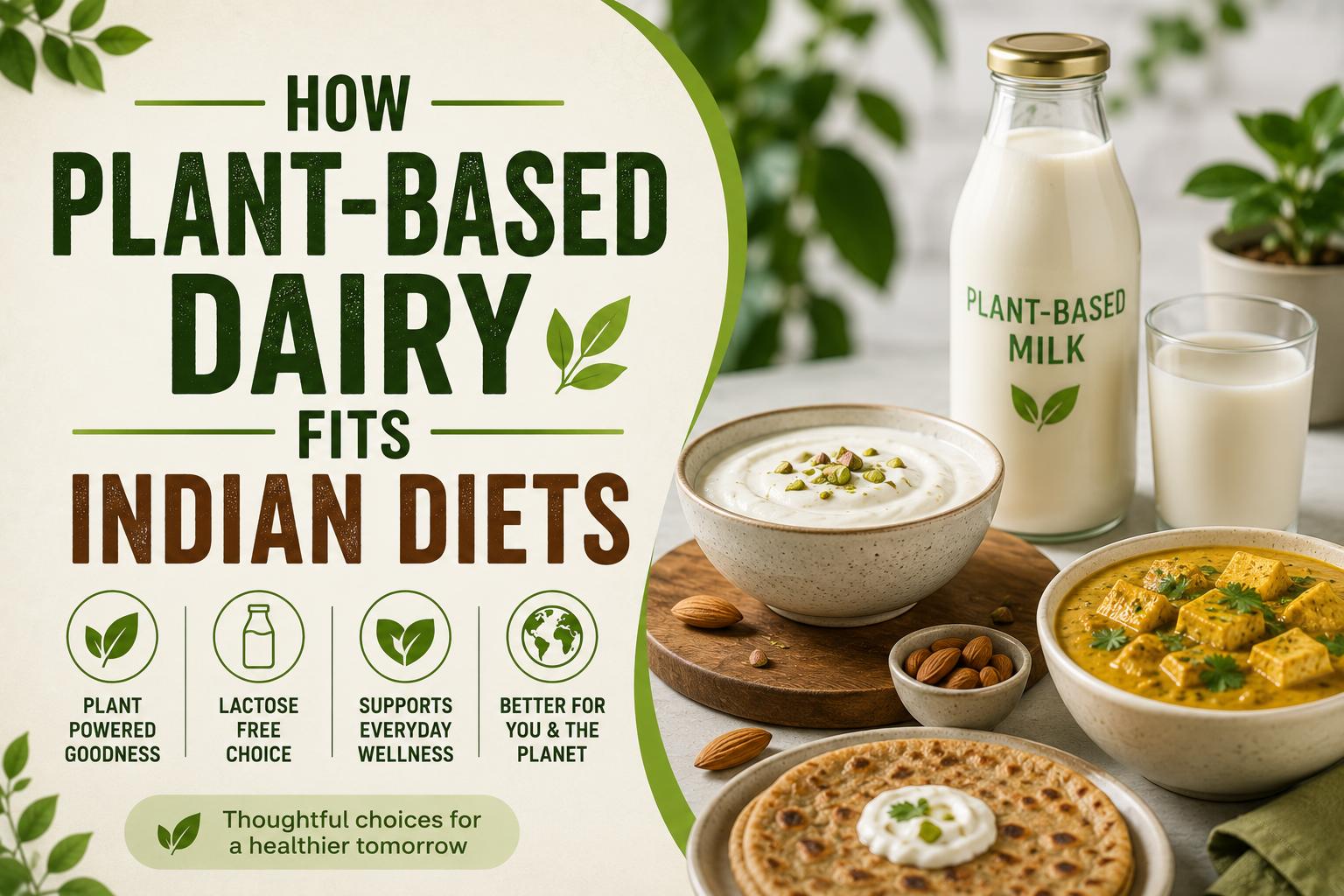
Plant-based dairy products are gaining attention in India as consumers look for lactose-free, vegan, clean-label, and functional alternatives to conventional dairy. The category includes plant-based milk, yogurt, cheese, creamers, desserts, and other dairy-free products made from soy, almond, oats, coconut, cashew, rice, and seed-based ingredients. These products are especially visible among urban consumers who want convenient options for beverages, breakfast, cafés, smoothies, and packaged foods.
A published study by MarkNtel Advisors reports that the India plant-based dairy products sector was valued at USD 29 million in 2025. It is projected to grow from USD 32 million in 2026 to USD 57 million by 2032, registering a CAGR of around 10.09% during 2026–32. Plant-based milk holds nearly 89% share, while seeds and nuts account for about 60% in 2026.
Lactose Sensitivity Supports Adoption
Lactose sensitivity is one of the main reasons consumers try plant-based dairy alternatives. Many people experience discomfort after consuming milk or dairy products, which encourages them to explore soy milk, almond milk, oat milk, coconut milk, and other dairy-free beverages. These products allow consumers to maintain familiar consumption habits while avoiding conventional dairy ingredients.
The MarkNtel study highlights lactose intolerance and dairy sensitivity as major factors supporting demand in Indian metro populations. This makes plant-based milk especially relevant for tea, coffee, cereals, smoothies, and daily breakfast routines, where milk substitution is easier than replacing other dairy formats.
Plant-Based Milk Leads the Category
Plant-based milk dominates because it is the easiest dairy alternative to understand and use. Consumers can add it to tea, coffee, cereal, shakes, baking recipes, and café beverages. Compared with plant-based cheese or yogurt, milk alternatives require less behaviour change, which makes them the first entry point for many Indian buyers.
Soy milk benefits from protein content and affordability, while oat milk is gaining attention in cafés because of its texture and barista compatibility. Almond, coconut, and cashew-based milk products also appeal to premium urban consumers looking for taste variety and wellness positioning.
Seeds and Nuts Shape Formulations
Seeds and nuts hold the leading plant-source share because almond, coconut, cashew, and seed-based products are widely used in premium dairy alternatives. These ingredients support creamy texture, distinctive taste, and stronger consumer appeal in beverages, yogurt-style products, desserts, and creamers. They also fit well with clean-label and natural-positioning claims.
India’s Ministry of Agriculture and Farmers Welfare notes that coconut cultivation and production remain important to the country’s horticulture base, and the Coconut Development Board provides detailed information on coconut cultivation practices and processing. This domestic ingredient ecosystem can support coconut-based dairy alternatives, creamers, and dessert formats.
Vegan Labelling Builds Trust
Regulatory clarity is important because consumers need to distinguish between vegetarian, dairy-free, and vegan products. In India, many foods may be vegetarian but still contain milk, ghee, butter, whey, casein, or other dairy-derived ingredients. Clear vegan labelling helps consumers identify products that do not use animal-origin ingredients.
FSSAI states that the Food Safety and Standards (Vegan Foods) Regulations, 2022 came into force after publication in the official Gazette, and it provides details on standards for vegan foods. This regulatory framework supports transparency for plant-based dairy brands and helps reduce confusion in retail shelves.
Dairy Culture Creates Both Challenge and Opportunity
India has a deep dairy culture, which creates a challenge for plant-based dairy brands. Milk, curd, paneer, ghee, sweets, tea, lassi, buttermilk, and desserts are part of daily diets across many regions. This means alternatives must compete with strong taste memory, affordability, and wide availability of conventional dairy products.
At the same time, this familiarity creates opportunity. Because dairy is consumed frequently, even a small shift toward plant-based substitutes in tea, coffee, smoothies, desserts, and café drinks can create meaningful demand. Brands that adapt products to Indian taste habits may improve repeat purchases.
Conventional Dairy Sets a High Benchmark
Plant-based dairy products must compete with one of the world’s largest dairy systems. Conventional milk is widely available, affordable, and nutritionally familiar to Indian households. Plant-based brands therefore need to prove value through lactose-free positioning, vegan claims, clean ingredients, fortification, taste, convenience, or sustainability.
The Press Information Bureau reported that India produced 239.30 million tonnes of milk during 2023–24, confirming the scale of the country’s dairy base. This makes differentiation important for plant-based dairy brands because they are not replacing a weak category but entering a deeply established one.
Fortification Improves Nutritional Appeal
Nutrition is a key issue because plant-based dairy products vary widely in protein, calcium, vitamin B12, vitamin D, fat, sugar, and additives. Some almond or oat-based beverages may be lower in protein than dairy milk, while soy-based options may offer stronger protein content. Fortification can help improve consumer acceptance.
Brands are increasingly adding calcium, vitamins, protein blends, and functional ingredients to support stronger nutritional positioning. However, communication must remain clear and responsible. Consumers need to understand ingredient lists, serving size, sugar content, allergen warnings, and whether the product is intended as a direct dairy substitute.
Online Retail Expands Discovery
Online grocery and quick-commerce platforms are helping plant-based dairy brands reach urban buyers more effectively. Consumers can compare flavors, pack sizes, prices, ingredient claims, reviews, and dietary labels before ordering. This is useful for newer categories where shoppers may not know which products are available in nearby stores.
Digital channels also help emerging brands educate consumers through product pages, usage ideas, recipe content, and subscription packs. Plant-based milk is especially suitable for repeat purchasing because consumers may use it daily in beverages and breakfast meals. Reliable cold-chain or shelf-stable formats are important for delivery success.
Cafés and Foodservice Increase Trial
Cafés, restaurants, bakeries, hotels, and cloud kitchens are important trial points for plant-based dairy. Many consumers first try oat milk or almond milk in coffee, smoothies, desserts, or baked goods before buying it for home use. Foodservice exposure can make unfamiliar products feel more acceptable.
Barista-style oat milk, dairy-free desserts, vegan cheese, and plant-based creamers create opportunities in metro cities such as Mumbai, Bengaluru, Delhi NCR, Pune, Hyderabad, and Chennai. If taste and texture meet expectations, foodservice can help move plant-based dairy from niche wellness shelves into mainstream consumption occasions.
Outlook for Plant-Based Dairy in India
Demand for plant-based dairy products in India is expected to remain supported by lactose sensitivity, vegan labelling, health awareness, café adoption, online grocery, and premium urban consumption. Plant-based milk will continue to hold a strong position because it fits easily into daily beverage and breakfast habits.
Future growth will depend on taste improvement, price accessibility, nutritional fortification, domestic ingredient sourcing, regulatory clarity, and wider retail availability. Brands that combine familiar usage, clean labels, credible vegan claims, and strong product quality will remain important to India’s evolving dairy-free food landscape.
- Managerial Effectiveness!
- Future and Predictions
- Motivatinal / Inspiring
- Fitness and Wellness
- Medical & Health
- Manufacturing
- Education
- Real-Estate
- Food Industry
- Hospitality
- Online Games
- Sports
- Home Services
- Civil Engineering
- Safety and Protection
- Software Products & Services
- Fashion and Jewellery
- Artificial Intelligence
- Entrepreneurship
- Mentoring & Guidance
- Marketing
- Networking
- HR & Recruiting
- Literature
- Shopping
- Career Management & Advancement