

 SkillClick
How Advanced Additives Improve Lubricating Oil Performance
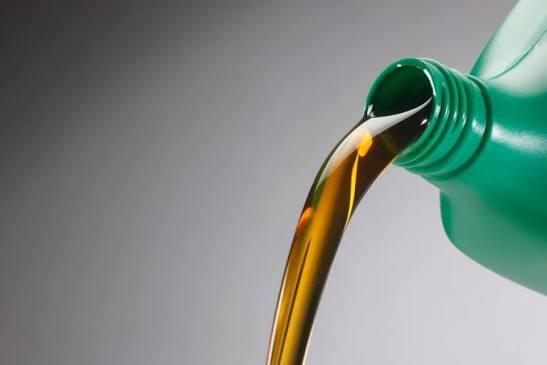
Lubricating oil additives have become an essential component of modern lubrication systems, helping industries and vehicle owners achieve better equipment performance, longer service life, and improved operational efficiency. As Saudi Arabia continues to expand its industrial capabilities while investing in transportation, manufacturing, and energy infrastructure, the importance of high-performance lubricants has grown significantly. These specialized additives enable lubricants to withstand demanding operating conditions while protecting engines and industrial machinery from wear and degradation.
Across the Kingdom, industries are increasingly focusing on lubricant formulations that deliver higher efficiency, longer drain intervals, and enhanced equipment reliability. Recent lubricant formulation insights highlight how evolving industrial requirements are encouraging the adoption of advanced additive technologies that support both heavy-duty industrial applications and modern automotive systems.
The growing emphasis on operational efficiency has also encouraged manufacturers to develop additive packages tailored for different operating environments. Whether used in passenger vehicles, heavy commercial fleets, industrial equipment, or marine applications, lubricant additives help improve oxidation stability, corrosion protection, and thermal resistance. Their role continues to expand as equipment becomes more technologically sophisticated and performance expectations increase.
What Are Lubricating Oil Additives?
Lubricating oil additives are specialized chemical compounds blended with base oils to enhance lubricant performance. While base oils provide the primary lubricating function, additives introduce properties that protect machinery under challenging operating conditions. Depending on the intended application, different combinations of additives are formulated to achieve specific performance objectives.
Common additive categories include detergents, dispersants, anti-wear agents, viscosity index improvers, antioxidants, friction modifiers, corrosion inhibitors, and extreme-pressure additives. Each performs a unique function while working together to maintain lubricant effectiveness throughout its service life. According to the American Petroleum Institute (API), lubricant formulations continue to evolve to meet increasingly demanding engine and equipment requirements.
Why Additives Matter for Modern Equipment
Industrial machinery and modern engines operate under high temperatures, extreme pressures, and varying environmental conditions. Without appropriate additives, lubricating oils can oxidize quickly, lose viscosity, or allow harmful deposits to accumulate. Advanced additive chemistry minimizes these risks by maintaining lubricant stability and protecting critical engine and equipment components.
In industrial operations, reducing unplanned downtime remains a major objective. High-quality lubricant additives help lower maintenance frequency, reduce component wear, and improve equipment reliability. These benefits become increasingly valuable in sectors such as manufacturing, mining, construction, marine transportation, and energy production.
Sustainability Is Shaping Lubricant Innovation
Environmental considerations are becoming increasingly important in lubricant development worldwide. Manufacturers are investing in formulations that support improved fuel efficiency, lower emissions, and extended lubricant service intervals. These developments contribute to reduced waste generation while helping industries optimize maintenance practices.
New-generation lubricant additives are also designed to remain compatible with advanced engine technologies, emission-control systems, and stricter performance specifications. Research in tribology continues to improve the understanding of friction reduction and wear protection, supporting the development of more efficient lubrication solutions.
Growing Importance Across Saudi Arabia
Saudi Arabia's expanding industrial landscape creates increasing demand for reliable lubrication solutions across numerous sectors. Large-scale infrastructure projects, manufacturing facilities, logistics operations, and transportation networks all depend on lubricants capable of performing under demanding climatic and operational conditions.
High ambient temperatures, continuous equipment utilization, and heavy-duty operating environments require lubricant formulations that maintain stability over extended operating periods. Additives help lubricants retain their protective characteristics, supporting equipment reliability while minimizing maintenance interruptions.
Future Outlook
The future of lubricating oil additives will be influenced by advances in engine technology, industrial automation, sustainability initiatives, and evolving equipment standards. Research continues to focus on additive chemistries that provide better thermal stability, lower friction, enhanced oxidation resistance, and compatibility with emerging lubrication requirements.
As industries continue prioritizing operational efficiency and equipment longevity, lubricant additives will remain a critical element of modern lubrication technology. Ongoing innovation is expected to deliver formulations that support improved machine performance while addressing environmental and regulatory expectations, making advanced additive technology an increasingly important contributor to reliable industrial and automotive operations.
- Managerial Effectiveness!
- Future and Predictions
- Motivatinal / Inspiring
- Fitness and Wellness
- Medical & Health
- Manufacturing
- Education
- Real-Estate
- Food Industry
- Hospitality
- Online Games
- Sports
- Home Services
- Civil Engineering
- Safety and Protection
- Software Products & Services
- Fashion and Jewellery
- Artificial Intelligence
- Entrepreneurship
- Mentoring & Guidance
- Marketing
- Networking
- HR & Recruiting
- Literature
- Shopping
- Career Management & Advancement