

 SkillClick
What Causes Eczema Around the Eyes?
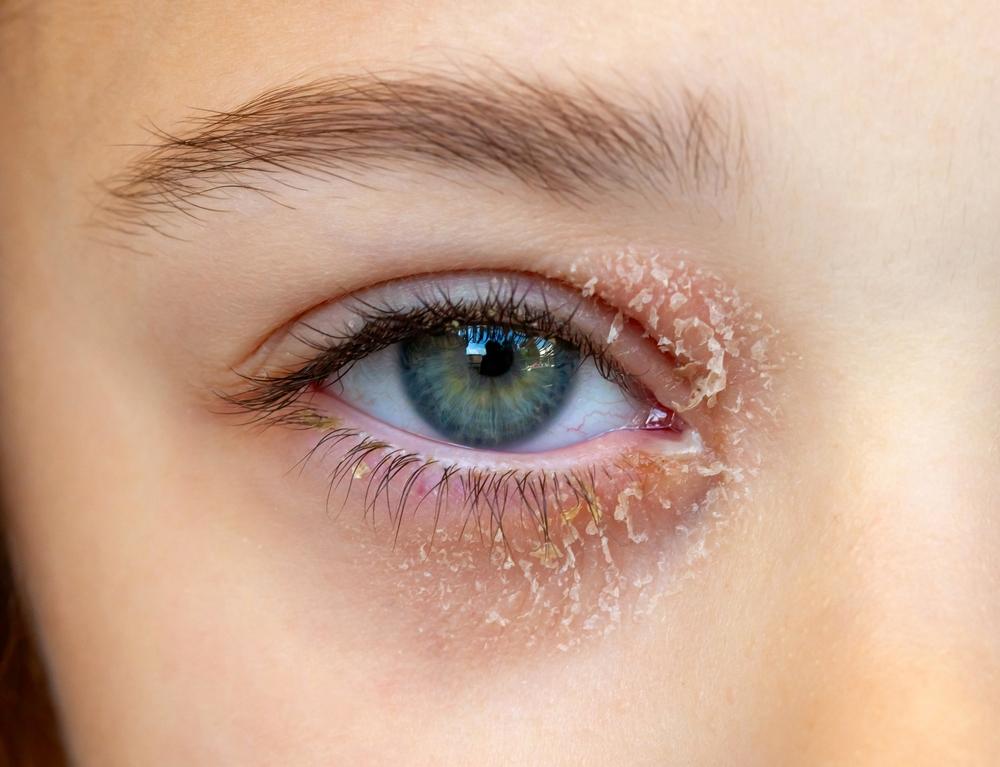
The skin around your eyes works hard every day, yet it's one of the first places to show signs of irritation. A little itching can quickly turn into redness, dryness, or swelling that makes even blinking uncomfortable.
Because the eyelids are so delicate, they react more easily than other parts of the body. This is also why eye eczema in children and adults can appear after exposure to triggers that might not affect thicker areas of skin.
Understanding those triggers is the first step toward reducing flare-ups and protecting this sensitive area.
Why Is the Skin Around the Eyes So Sensitive?
The eyelids contain some of the thinnest skin on the body. Unlike the skin on your hands or feet, they have very little protection against irritation from the environment. Every blink, every face wash, and every cosmetic product comes into contact with this delicate area. As a result, even small amounts of irritation can lead to noticeable symptoms.
When the skin's protective barrier becomes weak, moisture escapes more easily. At the same time, allergens and irritants can enter the skin with less resistance. This combination often leads to dryness, itching, redness, and inflammation. Because the area is so visible, even mild eczema can feel frustrating.
Many people are surprised that symptoms can appear without changing their routine. Sometimes repeated exposure to the same product gradually causes the skin to become more sensitive instead of reacting immediately. That's one reason eczema around the eyes can seem to develop out of nowhere.
Why Does This Area React So Easily?
The skin around the eyes contains fewer protective layers than thicker areas of the body. It also moves constantly throughout the day as you blink, smile, and rub your eyes without thinking. These small movements can make already irritated skin feel even more uncomfortable.
The eyes are also exposed to countless outside factors, including pollen, dust, wind, pet dander, and airborne particles. Even if those substances don't cause symptoms elsewhere, they may still trigger irritation around the eyelids.
Understanding why the eyelids are so vulnerable makes it easier to see why flare-ups happen. The next step is identifying the triggers that often start the problem in the first place.
What Can Trigger Eczema Around the Eyes?
Eye eczema doesn't have a single cause. Instead, several factors may work together to weaken the skin barrier and trigger inflammation. For some people, symptoms appear after contact with an irritant. For others, allergies, dry skin, or an existing history of eczema play a much bigger role.
One common trigger is skin care or cosmetic products. Fragrances, preservatives, makeup removers, facial cleansers, and even certain moisturizers may irritate sensitive skin. Sometimes the product isn't harmful on its own, but repeated use allows irritation to build gradually over time.
Environmental factors can also contribute. Cold weather, low humidity, pollen, dust mites, and pet dander may worsen symptoms, especially in people who already have allergies or atopic dermatitis. Rubbing the eyes because of seasonal allergies may further damage the skin barrier, creating another cycle of irritation.
Stress is another factor that many people overlook. While stress doesn't directly cause eczema, it may increase the likelihood of flare-ups in those who already have sensitive skin. Lack of sleep and frequent eye rubbing can also make symptoms feel more intense.
Because so many triggers are possible, finding the cause often requires looking closely at everyday habits rather than a single event.
Could Your Daily Routine Be Making It Worse?
Sometimes the habits you barely notice can keep eczema around the eyes from settling down. You don't have to introduce a new product to trigger irritation. Using familiar products too often, rubbing itchy eyelids, or exposing your skin to dry air every day may be enough to keep inflammation going.
Looking at your daily routine with fresh eyes can reveal patterns you hadn't considered before.
Everyday Triggers Worth Checking
If flare-ups keep returning, consider whether any of these habits may be contributing:
- Washing your face with harsh soaps or cleansers.
- Using eye makeup or skin care products with fragrance or alcohol.
- Rubbing your eyes because of allergies or tiredness.
- Forgetting to moisturize after cleansing your face.
- Sleeping in eye makeup.
- Spending long periods in dry or air-conditioned environments.
Well, here's the thing. One trigger alone may not cause a flare-up, but several small irritants together can overwhelm already sensitive skin. That's why identifying patterns is often more helpful than focusing on a single product.
Even after removing possible triggers, some people continue to experience eczema around the eyes. Certain individuals are simply more likely to develop it because of factors they can't control.
Who Is More Likely to Develop Eye Eczema?
Eye eczema can affect anyone, but some people have a higher chance of developing it. Individuals with atopic dermatitis, asthma, or seasonal allergies often have a more sensitive skin barrier, making irritation around the eyelids more likely. A family history of eczema or allergic conditions may also increase the risk.
Children frequently experience eczema because their skin barrier is still developing, but adults can develop eyelid eczema as well. In some cases, symptoms appear for the first time after years of using the same skin care products. Hormonal changes, increasing skin sensitivity, or repeated exposure to irritants may all play a role.
People whose work involves frequent hand washing, cleaning products, or airborne particles may accidentally transfer irritants to their eyelids when touching or rubbing their eyes. Even contact lenses, eye drops, or nail polish can occasionally contribute if they trigger irritation in sensitive individuals.
Knowing who is more likely to develop eye eczema helps explain why flare-ups happen. Confirming the diagnosis, however, requires looking beyond symptoms alone.
How Is Eye Eczema Diagnosed and Managed?
Healthcare providers usually begin by asking about your symptoms, medical history, allergies, and the products you use around your eyes. They also examine the affected skin to determine whether eczema is the most likely cause or whether another condition, such as blepharitis or an allergic reaction, may be responsible.
In some situations, patch testing may help identify specific allergens that trigger repeated flare-ups.
Treatment focuses on calming inflammation while protecting the skin barrier. A healthcare provider may recommend gentle moisturizers, avoiding known triggers, and prescription medications when appropriate. Because the skin around the eyes is especially delicate, treatments that work well elsewhere on the body may not always be suitable for the eyelids.
Long-term management often depends on consistency rather than quick fixes. Using mild skin care products, limiting unnecessary rubbing, and paying attention to early signs of irritation can help reduce future flare-ups. Small changes repeated every day often make a noticeable difference over time.
If symptoms become severe, affect your vision, or fail to improve with appropriate care, seeking medical advice promptly is the safest course of action.
Conclusion
Eczema around the eyes often develops because several factors come together rather than one single cause. A weakened skin barrier, allergies, everyday irritants, environmental triggers, and personal history can all influence when flare-ups occur.
Understanding these factors makes it easier to recognize patterns, reduce avoidable triggers, and seek appropriate care when symptoms persist. While many people manage eye eczema successfully with the right approach, research continues to expand what is known about atopic dermatitis.
If contributing to that progress is something that interests you, you may be eligible to take part in an atopic dermatitis clinical study and support future discoveries that could benefit others living with eczema.
- Managerial Effectiveness!
- Future and Predictions
- Motivatinal / Inspiring
- Fitness and Wellness
- Medical & Health
- Manufacturing
- التعليم
- Real-Estate
- Food Industry
- Hospitality
- Online Games
- Sports
- Home Services
- Civil Engineering
- Safety and Protection
- Software Products & Services
- Fashion and Jewellery
- Artificial Intelligence
- Entrepreneurship
- Mentoring & Guidance
- Marketing
- Networking
- HR & Recruiting
- Literature
- Shopping
- Career Management & Advancement