

 SkillClick
Desktop CNC Routing: What Makers Should Know Before Buying
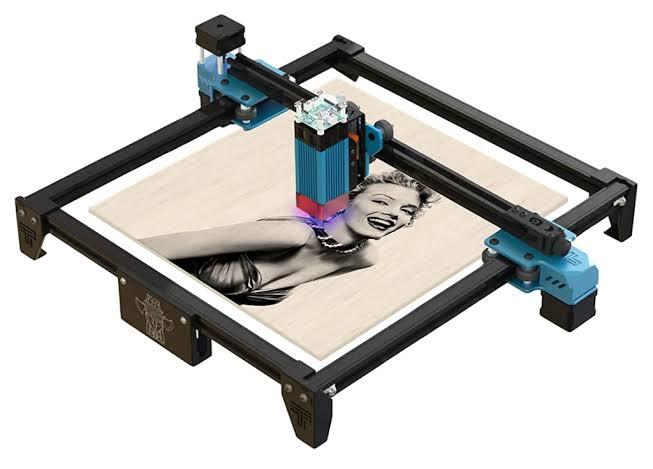
Desktop CNC routers have transformed what's possible in a home workshop, bringing computer-controlled precision to projects that once required professional machine shops. But with so many models on the market, buyers need a clear understanding of what actually matters before making a purchase.
The first consideration is working volume — the physical space in which the machine can cut. This is typically measured across three axes: length, width, and depth. A larger working volume allows bigger single pieces or more material positioned at once, but it also increases the machine's footprint and price. Beginners should think realistically about the size of projects they intend to make rather than buying more capacity than they'll use.
Material compatibility is equally important. Not all desktop CNC routers are built to handle the same range of materials. Some are optimized primarily for wood and soft plastics, while others are engineered with a rigid frame capable of engraving and light milling across harder materials like aluminum, copper, or stainless steel. A model like the TTC450 Pro, for example, is built with an aluminum and stainless-steel structure specifically to support work across a broader range of materials, from MDF and acrylic to select metals.
Spindle power and speed control affect both cut quality and the range of achievable projects. A more powerful spindle can handle denser materials and deeper cuts, but it also requires a sturdier frame to prevent vibration from affecting accuracy. Buyers working primarily with softer materials may not need top-tier spindle power, while those planning metalwork should prioritize it.
Frame rigidity is one of the most overlooked factors by first-time buyers. A CNC router's precision depends heavily on how well its frame resists flex and vibration during operation. Lightweight frames are easier to move and store, but they can struggle with harder materials or deeper cuts, leading to inaccurate results or tool chatter. For readers who want to see the complete range of machines and accessories available, the TwoTrees website is worth exploring directly.
Software compatibility deserves attention as well. Some machines work exclusively with proprietary software, while others support open-source or widely used CAD/CAM programs. Buyers who already have design experience with specific software should confirm compatibility before purchasing, since switching workflows later can be a steep learning curve.
Expandability is worth factoring into a long-term decision. Machines that support add-ons — laser modules, rotary attachments, or expanded work areas — offer more flexibility as skills and project ambitions grow, potentially delaying or eliminating the need for a full equipment upgrade down the line.
Finally, consider the learning curve honestly. CNC routing involves more setup complexity than many other hobby machines, including tool changes, workpiece zeroing, and feed rate calculations. Buyers new to CNC work should look for machines with strong documentation and community support to shorten that learning curve.
Long-term reliability of any router depends heavily on routine care. Keeping the frame free of debris, checking fasteners periodically, and replacing worn tooling before it fails outright all extend a machine's useful life far beyond what casual maintenance alone typically achieves.
FAQ
Q: What's the most important spec when buying a desktop CNC router? A: Frame rigidity is often more important than raw spindle power, since it directly determines cutting accuracy and consistency.
Q: Can desktop CNC routers cut metal? A: Some models can handle soft metals like aluminum or copper with the right bit and settings, though most desktop machines aren't built for hard steel.
Q: Do I need CAD experience to use a CNC router? A: Basic CAD knowledge helps significantly, though many beginner-friendly software options simplify the design process for newcomers.
Q: How much working volume do beginners actually need? A: Most beginner projects fit comfortably within a mid-sized working volume; oversized machines are usually only necessary for large furniture or panel work.
Q: How often should routine maintenance checks be performed? A: A quick inspection before major projects, plus a more thorough check on a monthly basis for frequently used machines, is a reasonable baseline.
- Managerial Effectiveness!
- Future and Predictions
- Motivatinal / Inspiring
- Fitness and Wellness
- Medical & Health
- Manufacturing
- Education
- Real-Estate
- Food Industry
- Hospitality
- Online Games
- Sports
- Home Services
- Civil Engineering
- Safety and Protection
- Software Products & Services
- Fashion and Jewellery
- Artificial Intelligence
- Entrepreneurship
- Mentoring & Guidance
- Marketing
- Networking
- HR & Recruiting
- Literature
- Shopping
- Career Management & Advancement