

 SkillClick
Modern Retrofitting Services for Industrial Structures
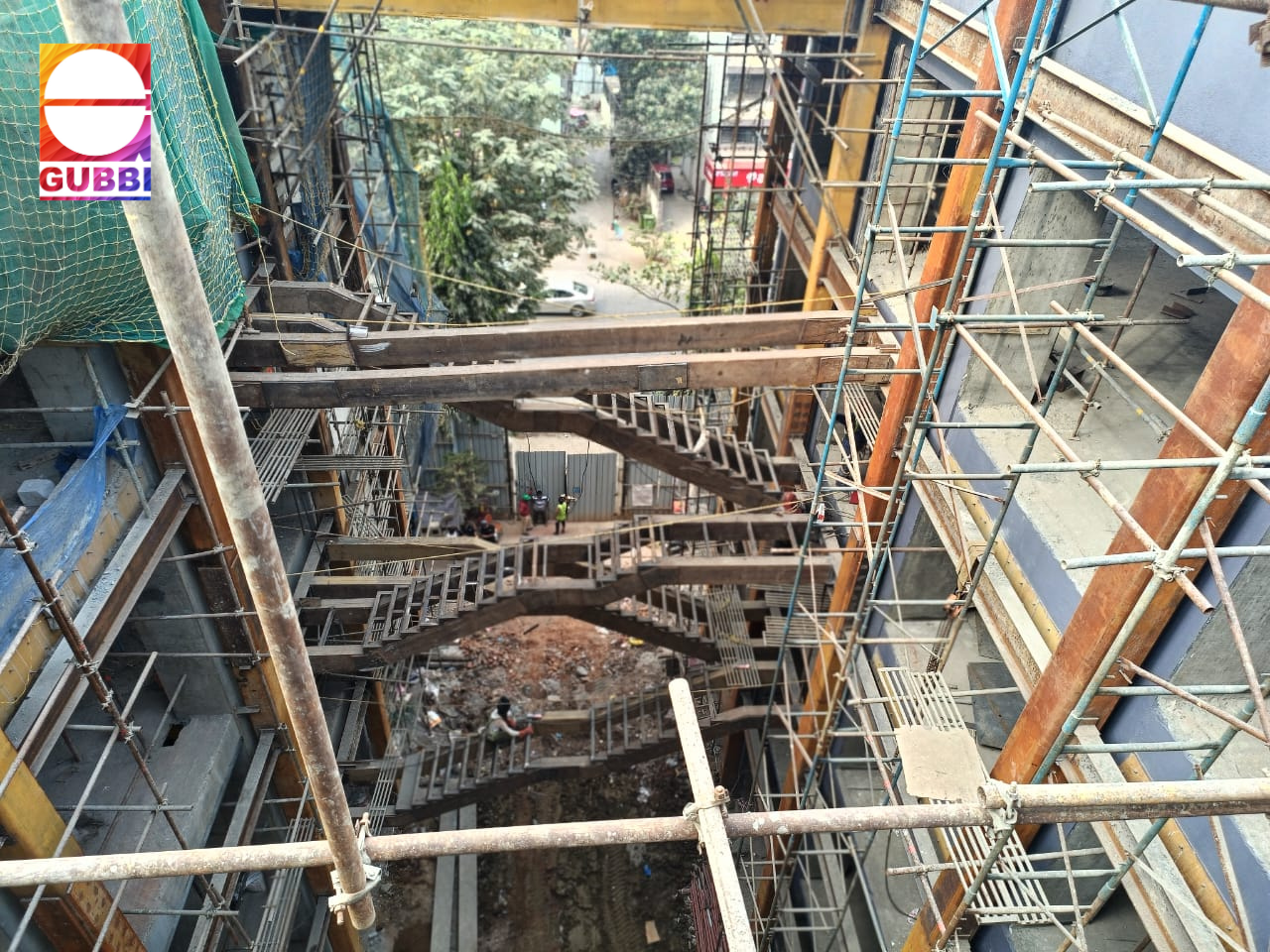
Buildings naturally deteriorate over time due to aging, environmental exposure, increased structural loads, poor construction practices, and changing usage requirements. Instead of demolishing an existing structure, many property owners now prefer retrofitting services because they provide a practical and cost-effective solution to restore structural strength and extend building life. Whether the project involves a commercial complex, industrial facility, residential building, bridge, warehouse, or institutional structure, retrofitting improves safety while minimizing operational disruptions. Professional retrofitting ensures that structures continue performing efficiently under modern engineering standards and future service demands.
What Are Retrofitting Services?
Retrofitting services involve strengthening existing buildings or structural components without replacing the entire structure. Engineers evaluate the condition of columns, beams, slabs, foundations, walls, and joints before selecting suitable strengthening techniques. Depending on the structural assessment, retrofitting may include carbon fiber wrapping, steel jacketing, concrete jacketing, epoxy injection, crack repair, corrosion treatment, or foundation strengthening. The objective is to restore structural integrity, improve load-carrying capacity, and ensure long-term durability while preserving the existing construction wherever possible.
Why Buildings Need Retrofitting
Several factors contribute to structural deterioration over the years. Water seepage, reinforcement corrosion, excessive loading, poor maintenance, earthquakes, design deficiencies, chemical exposure, and environmental conditions gradually weaken concrete structures. Buildings originally designed decades ago may no longer meet present-day safety standards or operational requirements. Retrofitting services help overcome these issues by reinforcing critical structural members before damage becomes severe. Timely intervention reduces repair costs and significantly increases the service life of the building.
Signs That Indicate Your Structure Requires Retrofitting
Many property owners overlook early warning signs until major structural problems develop. Visible cracks in beams or columns, exposed reinforcement, rust stains, concrete spalling, excessive deflection, water leakage, uneven settlement, and vibrations during operation often indicate structural distress. Industrial buildings carrying heavier machinery than originally designed also require evaluation. Professional structural assessment identifies the root cause of deterioration and determines whether retrofitting services are the most appropriate solution for restoring structural performance.
Benefits of Professional Retrofitting Services
Investing in professional retrofitting provides numerous long-term advantages beyond immediate repairs. Strengthened structures offer improved safety, increased load-bearing capacity, better resistance against environmental deterioration, reduced maintenance costs, and longer service life. Retrofitting also helps maintain business continuity because most strengthening work can be completed without complete demolition. Compared to reconstruction, retrofitting significantly reduces project costs, construction waste, and project completion time, making it a preferred solution across multiple industries.
Why Retrofitting Is Better Than Demolition
Demolishing an existing building requires substantial financial investment, regulatory approvals, material disposal, and reconstruction time. In contrast, retrofitting services preserve the existing structural framework while strengthening weak components. This approach minimizes downtime, protects investments, reduces environmental impact, and allows facilities to remain operational during many phases of construction. Industries, hospitals, educational institutions, residential societies, and commercial establishments increasingly prefer retrofitting because it delivers long-term performance without unnecessary structural replacement.
Common Retrofitting Techniques Used Today
Modern structural engineering offers several retrofitting techniques depending on building condition and performance requirements. Carbon fiber wrapping strengthens columns and beams with minimal additional weight. Concrete jacketing increases member dimensions for improved load capacity. Steel jacketing enhances confinement and ductility. Epoxy injection repairs structural cracks, while corrosion protection systems preserve reinforcement. Foundation strengthening addresses settlement issues, and seismic retrofitting improves earthquake resistance. Each method is selected after detailed structural analysis rather than using a single universal solution.
Importance of Structural Assessment Before Retrofitting
Every building behaves differently depending on its age, design, construction quality, loading conditions, and environmental exposure. Therefore, professional retrofitting contractors always begin with a comprehensive structural assessment. Engineers perform visual inspections, non-destructive testing, material evaluation, reinforcement investigation, and structural analysis before recommending strengthening methods. This scientific approach ensures that only necessary repairs are performed while optimizing project cost, safety, and long-term structural performance.
Industries That Frequently Require Retrofitting Services
Retrofitting services are widely used across various sectors where structural reliability directly affects operations and safety. Manufacturing plants require strengthening due to machinery upgrades, warehouses need increased load capacity, commercial buildings undergo renovations, residential apartments experience age-related deterioration, and bridges require rehabilitation because of continuous traffic exposure. Educational institutions, hospitals, hotels, power plants, and infrastructure projects also benefit from professional structural retrofitting designed to meet modern engineering standards.
Seismic Retrofitting for Earthquake-Prone Areas
Buildings located in earthquake-prone regions require additional strengthening to withstand seismic forces. Seismic retrofitting enhances structural stability by improving load paths, strengthening joints, increasing ductility, and reducing structural vulnerabilities. Depending on the building type, engineers may recommend column jacketing, beam strengthening, foundation reinforcement, steel bracing, or carbon fiber systems. Proper seismic retrofitting significantly reduces structural damage during earthquakes and improves occupant safety without requiring complete rebuilding.
How Retrofitting Contractors Plan a Project
Professional retrofitting contractors follow a systematic process to ensure successful project execution. The work begins with inspection and structural analysis, followed by damage assessment, repair planning, material selection, execution methodology, quality control, and post-repair evaluation. Contractors also coordinate with facility owners to minimize operational interruptions during construction. Detailed planning ensures that strengthening work meets engineering specifications while maintaining structural stability throughout every stage of the rehabilitation process.
Qualities to Look for in Retrofitting Contractors
Choosing experienced retrofitting contractors is essential because structural rehabilitation demands specialized engineering expertise. Contractors should possess technical knowledge, experienced engineering teams, advanced inspection equipment, quality workmanship, safety practices, and proven project execution capabilities. They should also understand structural codes, rehabilitation standards, and modern strengthening technologies. Transparent communication, proper documentation, and systematic project management further contribute to successful structural rehabilitation outcomes.
Carbon Fiber Retrofitting: A Modern Strengthening Solution
Carbon fiber reinforced polymer systems have become one of the most effective strengthening methods for existing concrete structures. Carbon fiber wrapping provides exceptional tensile strength while adding very little weight to the structure. It improves the performance of beams, columns, slabs, and walls without significantly increasing structural dimensions. Carbon fiber retrofitting is widely preferred because installation is relatively fast, highly durable, corrosion resistant, and suitable for buildings where space constraints exist.
How Retrofitting Improves Building Lifespan
Structural deterioration does not necessarily mean a building has reached the end of its service life. Proper retrofitting restores damaged structural members, controls further deterioration, and improves overall performance. Reinforcement protection, crack treatment, strengthening systems, and corrosion mitigation collectively help structures remain functional for several additional decades. Regular inspection combined with timely retrofitting prevents small defects from developing into major structural failures that require expensive reconstruction.
Role of Modern Technology in Retrofitting
Today's retrofitting projects utilize advanced engineering tools that improve accuracy and project efficiency. Non-destructive testing methods, structural health monitoring, finite element analysis, corrosion mapping, ultrasonic testing, and digital inspection technologies help engineers understand structural conditions more precisely. These technologies support informed decision-making, optimize strengthening techniques, and reduce unnecessary repairs. Technology-driven retrofitting results in safer structures while improving construction quality and long-term durability.
Common Mistakes to Avoid During Structural Retrofitting
Many building owners make the mistake of delaying repairs or selecting contractors based solely on low cost. Ignoring structural assessments, using unsuitable repair materials, skipping quality inspections, or applying temporary patch repairs often results in recurring damage. Successful retrofitting requires engineering expertise, quality materials, skilled workmanship, and proper execution methods. Investing in professional structural rehabilitation prevents repeated maintenance expenses and ensures reliable long-term performance.
Choosing the Right Time for Retrofitting
Waiting until severe structural damage appears usually increases repair complexity and project costs. The ideal time for retrofitting is immediately after structural inspections identify deterioration, excessive cracking, corrosion, or increased loading requirements. Preventive strengthening allows engineers to stabilize structures before damage spreads to other components. Early intervention also reduces business interruptions, minimizes safety risks, and extends building service life more efficiently than emergency repairs. Selecting experienced professionals is one of the most important decisions in any structural rehabilitation project. A well-planned retrofitting solution improves safety, durability, and long-term asset value while minimizing operational disruption. If you are looking for reliable engineering expertise, Gubbi Civil Engineers Limited provides professional structural strengthening solutions supported by detailed structural assessments, advanced rehabilitation techniques, and quality-focused project execution designed to deliver long-lasting structural performance.
Retrofitting services have become an essential part of modern infrastructure maintenance because they help restore structural strength without replacing entire buildings. From residential apartments and commercial buildings to industrial plants and public infrastructure, professional retrofitting improves safety, durability, and operational efficiency. Choosing experienced retrofitting contractors ensures that every strengthening solution is based on sound engineering principles rather than temporary repairs. Investing in timely structural rehabilitation protects valuable assets, reduces future maintenance costs, and extends the useful life of buildings for many years.
- Managerial Effectiveness!
- Future and Predictions
- Motivatinal / Inspiring
- Fitness and Wellness
- Medical & Health
- Manufacturing
- Onderwijs
- Real-Estate
- Food Industry
- Hospitality
- Online Games
- Sports
- Home Services
- Civil Engineering
- Safety and Protection
- Software Products & Services
- Fashion and Jewellery
- Artificial Intelligence
- Entrepreneurship
- Mentoring & Guidance
- Marketing
- Networking
- HR & Recruiting
- Literature
- Shopping
- Career Management & Advancement