

 SkillClick
What to Do When You Have a Sudden Toothache
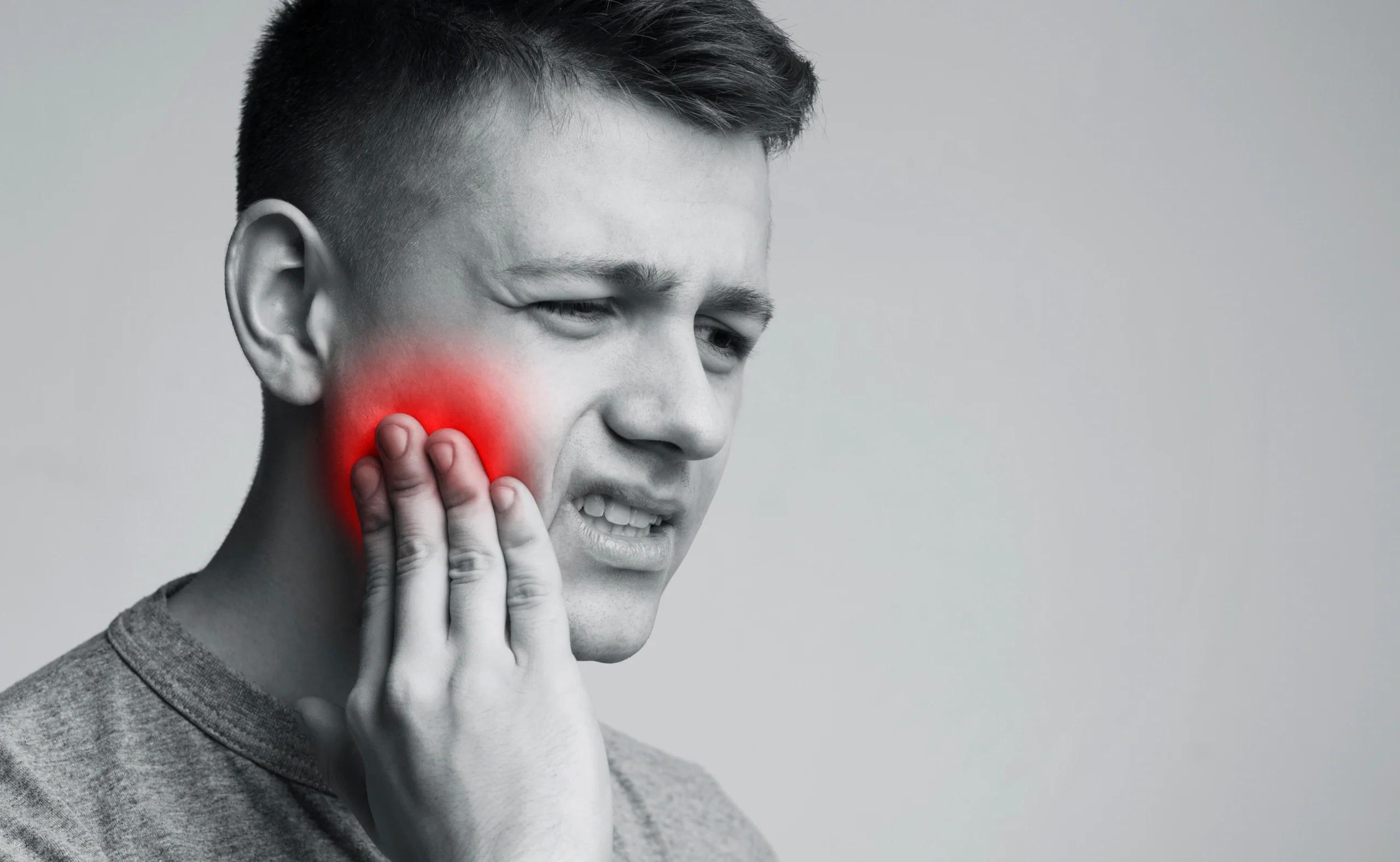
A sudden toothache can be stressful, especially when the pain starts without warning during work, sleep, eating, or travel. If you are looking for a dentist in st kilda, it is important to understand what may be causing the pain and what steps you can take before your appointment. Toothache can happen due to decay, gum infection, food trapped between teeth, a cracked tooth, sensitivity, or an underlying dental infection.
At Chapel Gate Dental, patients are often advised not to ignore sudden dental pain. Even if the discomfort comes and goes, it may be a sign that something needs attention. Acting early can help reduce pain, prevent complications, and protect your natural teeth.
Stay Calm and Notice the Symptoms
The first step is to stay calm and pay attention to the type of pain. Toothache can feel sharp, dull, throbbing, constant, or triggered by hot, cold, sweet, or pressure. Noticing these details can help your dentist understand the possible cause.
Ask yourself:
-
Did the pain start suddenly or gradually?
-
Is the pain constant or does it come and go?
-
Does it worsen while chewing?
-
Is there swelling around the gum or face?
-
Is the tooth sensitive to hot or cold?
-
Is there a bad taste, pus, or fever?
These symptoms can help decide whether you need routine care or urgent attention from an emergency dentist st kilda.
Rinse Your Mouth Gently
A warm water rinse can help clean the mouth and remove loose food particles. This is especially helpful if the pain started after eating. Avoid using very hot or very cold water, as extreme temperatures may trigger sensitivity.
You can rinse gently several times, but do not scrub the painful area aggressively. If the gum is inflamed, harsh rinsing may make it feel worse. The goal is to keep the area clean until a dentist can examine it properly.
Floss Carefully Around the Tooth
Sometimes sudden tooth pain is caused by food stuck between the teeth or under the gumline. Gently floss around the painful tooth to remove anything trapped. Do not force the floss if it feels stuck, and avoid using sharp objects such as pins, toothpicks, or metal tools.
If the pain improves after flossing, you should still monitor the area. Food trapping may happen because of a cavity, gum pocket, broken filling, or spacing issue. A dental check-up can help identify the reason.
Use a Cold Compress for Swelling
If your cheek or jaw feels swollen, apply a cold compress on the outside of the face. This may help reduce discomfort and swelling for a short time. Wrap ice or a cold pack in a cloth and apply it for short intervals.
Swelling should not be ignored. Facial swelling may be linked to infection, injury, or an abscess. If swelling is increasing, spreading, or accompanied by fever, seek urgent dental care.
Avoid Putting Painkillers Directly on the Gum
Some people place aspirin or pain-relief tablets directly against the tooth or gum, hoping for faster relief. This should be avoided because it can burn or irritate the soft tissues in the mouth.
If you choose to take over-the-counter pain relief, follow the instructions on the label and avoid medicines that are not suitable for you. Pain relief may help temporarily, but it does not treat the actual cause of the toothache.
Avoid Chewing on the Painful Side
Until you see a dentist, try not to chew on the affected side. Pressure can make the pain worse, especially if the tooth is cracked, infected, or has deep decay. Choose soft foods and avoid hard, sticky, crunchy, or very sweet items.
Foods such as soup, yoghurt, soft rice, mashed vegetables, or scrambled eggs may be easier to manage. Avoid extremely hot or cold foods if your tooth is sensitive.
Do Not Ignore Pain That Comes and Goes
A toothache that disappears is not always a sign that the problem has healed. Sometimes dental pain reduces temporarily when pressure changes or when the nerve inside the tooth becomes less responsive. The underlying problem may still remain.
Tooth decay, cracks, gum infections, and abscesses can worsen over time. If you ignore the pain, you may later need more complex treatment. Booking an appointment early with an emergency dentist st kilda can help prevent the condition from becoming more serious.
Common Causes of Sudden Toothache
There are several reasons why tooth pain may appear suddenly. Common causes include:
Tooth Decay
Decay can start small but become painful when it reaches deeper layers of the tooth. Pain may be triggered by sweets, cold drinks, or chewing.
Dental Abscess
An abscess is an infection that may cause throbbing pain, swelling, bad taste, pus, fever, or discomfort while biting. This needs urgent dental attention.
Cracked or Broken Tooth
A crack may cause sharp pain when biting or releasing pressure. Sometimes the crack is not easy to see without a dental examination.
Gum Infection
Inflamed or infected gums can cause pain around one or more teeth. Bleeding, swelling, bad breath, or tenderness may also be present.
Tooth Sensitivity
Sensitivity can happen when enamel is worn, gums recede, or dentine becomes exposed. Pain may occur with cold, hot, sweet, or acidic foods.
Wisdom Tooth Problems
A wisdom tooth that is partly erupted may trap food and bacteria, leading to pain, swelling, and gum inflammation.
When Is Toothache a Dental Emergency?
Not every toothache is an emergency, but some symptoms should be treated urgently. You should seek dental care as soon as possible if you have:
-
Severe or constant tooth pain
-
Swelling in the face, jaw, or gums
-
Fever with tooth pain
-
Pus or bad taste in the mouth
-
Pain after dental injury
-
A knocked-out, loose, or broken tooth
-
Difficulty opening your mouth
-
Trouble swallowing or breathing
These symptoms may indicate infection, trauma, or another serious dental concern. Delaying care can increase the risk of complications.
What Your Dentist May Do
During your appointment, your dentist will ask about your symptoms and examine the affected tooth and surrounding area. X-rays may be recommended to check for decay, infection, cracks, or bone changes.
Treatment depends on the cause. A small cavity may need a filling. A deep infection may require root canal treatment. Gum issues may need cleaning or periodontal care. A damaged tooth may need restoration or extraction if it cannot be saved.
The aim is to relieve pain, treat the cause, and protect your oral health.
How to Reduce the Risk of Future Toothaches
You can lower your risk of toothache by maintaining good oral hygiene and visiting your dentist regularly. Brush twice daily with fluoride toothpaste, clean between your teeth, reduce sugary snacks, drink water, and avoid using your teeth as tools.
Regular check-ups help detect small problems before they become painful. Preventive care is often easier, quicker, and more comfortable than emergency treatment.
FAQs
1. What should I do first when I get a sudden toothache?
Rinse your mouth gently with warm water and floss carefully to remove trapped food. Avoid chewing on the painful side and book a dental appointment if the pain continues.
2. Can a toothache go away on its own?
Some tooth pain may reduce temporarily, but the cause may still remain. Decay, cracks, infection, or gum problems usually need professional assessment.
3. When should I see an emergency dentist?
You should seek urgent care if you have severe pain, swelling, fever, pus, a broken tooth, a knocked-out tooth, or pain after an injury.
4. Can I use painkillers for toothache?
Over-the-counter pain relief may help temporarily if it is safe for you, but it does not treat the cause. Always follow the label and avoid placing tablets directly on the gums.
Final Thoughts
A sudden toothache should never be ignored. While rinsing, gentle flossing, soft foods, and temporary pain relief may help manage discomfort, professional dental care is needed to find and treat the cause.
At Chapel Gate Dental, patients can receive clear guidance and treatment for tooth pain, sensitivity, gum concerns, cracks, infections, and urgent dental issues. Acting early can help reduce pain, prevent complications, and protect your smile.
- Managerial Effectiveness!
- Future and Predictions
- Motivatinal / Inspiring
- Fitness and Wellness
- Medical & Health
- Manufacturing
- Εκπαίδευση
- Real-Estate
- Food Industry
- Hospitality
- Online Games
- Sports
- Home Services
- Civil Engineering
- Safety and Protection
- Software Products & Services
- Fashion and Jewellery
- Artificial Intelligence
- Entrepreneurship
- Mentoring & Guidance
- Marketing
- Networking
- HR & Recruiting
- Literature
- Shopping
- Career Management & Advancement