

 SkillClick
Understanding the Different Stages of Kidney Disease
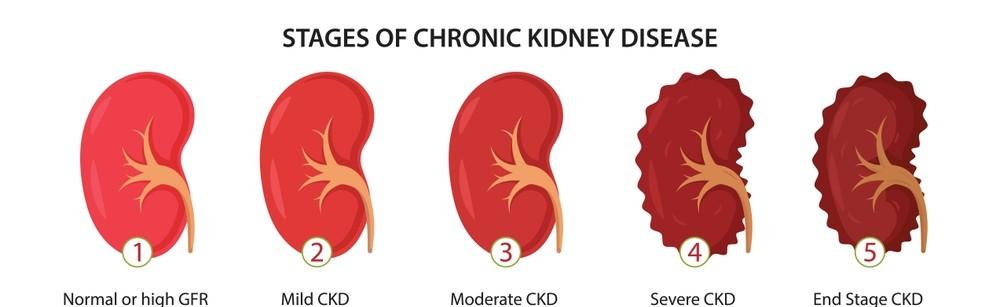
Kidney disease can develop slowly, and many people do not notice symptoms until the condition has progressed. Understanding the stages of kidney disease helps you recognize changes in kidney function, take action early, and make informed decisions about your health.
Many people ask, "Is kidney disease curable?" While chronic kidney disease (CKD) often cannot be completely reversed, early diagnosis, proper treatment, and lifestyle changes can help slow its progression and protect kidney health.
The kidneys play an important role in filtering waste, balancing fluids, controlling blood pressure, and supporting overall health. When kidney function declines, these processes become less effective. Doctors use different stages of kidney disease to measure how well the kidneys are working and determine the right care approach.
How Do Doctors Measure Kidney Disease Stages?
Kidney disease stages are mainly based on a measurement called estimated glomerular filtration rate (eGFR). This test shows how efficiently your kidneys filter waste from your blood.
A healthy kidney usually has an eGFR of 90 or higher. As kidney function decreases, the eGFR level drops. Doctors also consider other factors, such as urine protein levels, medical history, blood pressure, and existing health conditions.
Moreover, identifying the stage of kidney disease helps healthcare providers create a treatment plan that fits your needs. Regular testing can also help detect changes before serious complications develop.
Stage 1 Kidney Disease: Early Signs of Kidney Damage
Stage 1 kidney disease is the earliest stage of CKD. At this point, kidney function remains normal or close to normal, with an eGFR of 90 or above. However, tests may show signs of kidney damage, such as protein in the urine or structural changes in the kidneys.
Many people at this stage do not experience noticeable symptoms. Because of this, kidney disease can go undetected without routine health screenings.
However, early detection provides an opportunity to protect kidney function.
Doctors May Recommend:
- Managing blood pressure levels
- Controlling blood sugar if you have diabetes
- Following a kidney-friendly diet
- Avoiding medications that may harm the kidneys
Making healthy changes during this stage can have a significant impact on long-term kidney health.
Stage 2 Kidney Disease: Mild Reduction in Kidney Function
During stage 2 kidney disease, kidney function shows a mild decline. The eGFR typically ranges between 60 and 89. Like stage 1, many people still do not experience clear symptoms.
However, some individuals may notice subtle changes. These may include increased urination, fatigue, or changes in urine appearance. These symptoms can also occur because of other conditions, so proper medical evaluation remains important.
At this stage, doctors focus on slowing further kidney damage. In addition, they may monitor blood pressure, cholesterol levels, and kidney function more frequently.
A healthy lifestyle can support kidney health. Regular physical activity, balanced nutrition, and staying hydrated can all contribute to better overall wellness.
Stage 3 Kidney Disease: Moderate Kidney Function Decline
Stage 3 kidney disease means the kidneys have a moderate reduction in function. Doctors divide this stage into two categories:
Stage 3a
- eGFR between 45 and 59
Stage 3b
- eGFR between 30 and 44
At this point, some people begin to experience symptoms. These may include:
- Swelling in the hands, feet, or ankles
- Muscle cramps
- Changes in urination
- Tiredness
- Dry or itchy skin
Moreover, stage 3 CKD increases the risk of other health problems, including heart disease and high blood pressure. Healthcare providers often recommend closer monitoring and additional treatments to manage these risks.
Dietary changes may also become more important. Some people may need to adjust their intake of sodium, phosphorus, potassium, and protein based on their doctor’s recommendations.
Stage 4 Kidney Disease: Severe Kidney Function Loss
Stage 4 kidney disease indicates a severe decline in kidney function. The eGFR usually falls between 15 and 29. At this stage, the kidneys have difficulty removing waste and maintaining proper fluid balance.
Symptoms often become more noticeable. A person may experience:
- Increased fatigue
- Nausea or loss of appetite
- Shortness of breath
- Swelling caused by fluid buildup
- Trouble concentrating
However, stage 4 does not always mean immediate kidney failure. Many people continue managing their condition with medical support and careful lifestyle choices.
Doctors usually focus on preventing further damage and preparing for possible future treatments if kidney function continues to decline.
This May Include:
- Discussing dialysis options
- Evaluating kidney transplantation
- Planning long-term kidney care
Stage 5 Kidney Disease: Kidney Failure
Stage 5 kidney disease is the most advanced stage of CKD. The eGFR drops below 15, and the kidneys can no longer perform their normal functions effectively.
At this stage, waste products and extra fluids can build up in the body. Symptoms may include severe fatigue, swelling, nausea, confusion, and changes in appetite.
Treatment Options Often Include:
- Dialysis to help remove waste and extra fluids
- Kidney transplantation for eligible patients
- Supportive care focused on managing symptoms
Although stage 5 kidney disease requires ongoing medical care, treatment options continue to improve. Working closely with healthcare professionals helps patients manage their condition and maintain quality of life.
What Causes Chronic Kidney Disease to Progress?
Several factors can contribute to kidney disease progression. Understanding these risks can help you take steps to protect your kidney health.
Common Causes and Risk Factors Include:
Diabetes
High blood sugar levels can damage kidney blood vessels over time. Diabetes remains one of the leading causes of CKD.
High Blood Pressure
Hypertension puts extra pressure on kidney blood vessels. Over time, this pressure can reduce kidney function.
Family History of Kidney Disease
A family history of kidney problems may increase your risk. Regular screenings can help identify concerns earlier.
Heart Disease
Heart and kidney health are closely connected. Conditions affecting the heart can also increase the risk of kidney problems.
Certain Medications and Health Conditions
Long-term use of some medications, untreated infections, and autoimmune conditions may also affect kidney function.
Can Kidney Disease Be Managed at Any Stage?
Yes. Treatment depends on the stage of kidney disease, overall health, and the underlying cause. While doctors cannot always restore lost kidney function, they can often slow progression and reduce complications.
Moreover, small daily choices can make a difference.
These Include:
- Taking prescribed medications correctly
- Keeping blood pressure under control
- Maintaining a healthy weight
- Avoiding smoking
- Attending regular medical appointments
- Following recommended dietary changes
Early medical support gives you more opportunities to manage kidney health effectively.
How Clinical Research Helps Advance Kidney Disease Care
Medical research continues to improve the understanding and treatment of kidney disease. Clinical trials allow researchers to study new approaches that may help people living with CKD and related conditions.
Clinical trials evaluate potential treatments, therapies, and care strategies under carefully monitored conditions. They also provide valuable information that can support future advances in kidney disease management.
If you have kidney disease, discussing clinical research opportunities with your healthcare provider may help you understand whether a study could be suitable for you.
Conclusion: Supporting the Future of Kidney Disease Treatment
Understanding the different stages of kidney disease helps you recognize changes in kidney function and seek care at the right time. From early kidney damage to advanced kidney failure, each stage requires careful monitoring and personalized management.
Research continues to play an important role in finding better solutions for people affected by CKD and related health concerns. Organizations like Lucida Clinical Trials work to connect eligible participants with research opportunities that help advance medical knowledge. If you are interested in contributing to future kidney disease treatments, you can explore opportunities to join a CKD and hypertension clinical trial through Lucida Clinical Trials. Your participation may help researchers develop improved options for patients in the future.
- Managerial Effectiveness!
- Future and Predictions
- Motivatinal / Inspiring
- Fitness and Wellness
- Medical & Health
- Manufacturing
- Education
- Real-Estate
- Food Industry
- Hospitality
- Online Games
- Sports
- Home Services
- Civil Engineering
- Safety and Protection
- Software Products & Services
- Fashion and Jewellery
- Artificial Intelligence
- Entrepreneurship
- Mentoring & Guidance
- Marketing
- Networking
- HR & Recruiting
- Literature
- Shopping
- Career Management & Advancement