

 SkillClick
The Impact of Rising Rates on Australian Businesses and Consumers
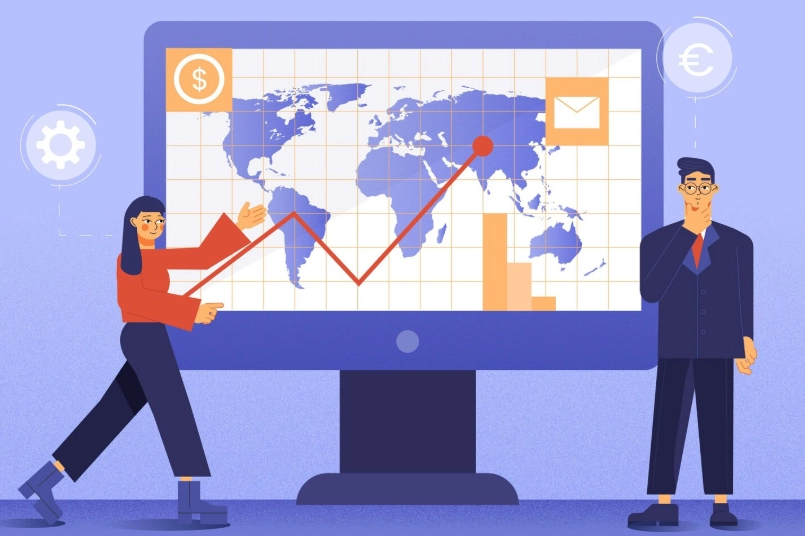
Interest rates have become one of the most influential forces shaping Australia’s economic landscape. After years of relatively low borrowing costs, the shift toward a higher-rate environment has changed how households spend, how businesses invest, and how markets react to economic signals. While rising rates are often framed as a tool to control inflation, their ripple effects extend far beyond monetary policy headlines.
Why Rates Have Risen in the First Place
Central banks typically increase interest rates to cool inflation and stabilise economic growth. When borrowing becomes more expensive, spending and demand tend to slow, easing price pressures.
However, the challenge lies in balance. Rate increases must be strong enough to control inflation without slowing the economy too aggressively. This delicate balancing act has created a period of uncertainty, where both consumers and businesses are adjusting to a more cautious financial environment.
The Pressure on Household Finances
For consumers, rising rates are felt most directly through mortgage repayments and credit costs. Higher interest rates translate into increased monthly expenses, leaving less disposable income for discretionary spending.
This shift often changes household priorities. Spending tends to move away from luxury and non-essential purchases toward necessities and value-focused options. Savings behaviour can also change, with more households prioritising financial buffers in response to economic uncertainty.
These behavioural changes, while gradual, have a powerful impact on the broader economy. Consumer spending is a major driver of growth, and any slowdown can influence business performance across multiple sectors.
What It Means for Australian Businesses
Higher borrowing costs affect businesses in several ways. Companies that rely on loans to expand operations, invest in equipment, or manage cash flow may delay or scale back growth plans. This cautious approach can slow hiring, capital expenditure, and new project development.
At the same time, businesses must navigate shifting customer behaviour. Reduced consumer spending can lead to softer demand, especially in retail, hospitality, and discretionary services. Companies are responding by focusing on efficiency, cost management, and strategic pricing. In many industries, resilience and adaptability have become essential competitive advantages.
Sector Winners and Losers
Not all sectors respond to rising rates in the same way. Industries tied closely to borrowing and spending such as property, construction, and retail often feel the impact first. Higher mortgage rates can slow housing demand, while increased financing costs affect development activity.
Conversely, sectors such as financial services may benefit from higher rates, as lending margins and savings products become more attractive. Essential services and defensive industries also tend to remain more stable during periods of tighter monetary policy.
Investor Sentiment and Market Volatility
Rising rates also influence investment markets. Higher borrowing costs typically reduce appetite for risk, leading investors to reassess valuations and focus more on profitability and cash flow.
Research and market commentary from Kalkine Pty Ltd has highlighted how interest rate movements shape investor sentiment, particularly in sectors sensitive to financing costs. Their analysis often emphasises the importance of understanding macroeconomic trends when evaluating long-term investment opportunities.
This shift toward fundamentals reflects a broader move away from speculative growth toward sustainable, earnings-driven performance.
A Long-Term Adjustment Phase
While rising rates create short-term challenges, they also encourage financial discipline. Businesses refine their strategies, households reassess spending, and investors focus on long-term fundamentals.
Periods like this often reshape economic behaviour in lasting ways. Companies become more efficient, consumers become more selective, and markets place greater value on stability and resilience.
Looking Ahead
The impact of higher interest rates will continue to unfold as the economy adapts. The pace of future policy decisions will depend on inflation trends, employment conditions, and global economic developments.
For now, the key takeaway is clear: rising rates are reshaping financial decision-making across Australia. Understanding these changes—and the opportunities and risks they create—will be essential for consumers, businesses, and investors navigating the years ahead.
Source link- https://sable-manta-123.notion.site/The-Impact-of-Rising-Rates-on-Australian-Businesses-and-Consumers-325f339c660380f3ab41c92d4ccf6508
- Managerial Effectiveness!
- Future and Predictions
- Motivatinal / Inspiring
- Fitness and Wellness
- Medical & Health
- Manufacturing
- Education
- Real-Estate
- Food Industry
- Hospitality
- Online Games
- Sports
- Home Services
- Civil Engineering
- Safety and Protection
- Software Products & Services
- Fashion and Jewellery
- Artificial Intelligence
- Entrepreneurship
- Mentoring & Guidance
- Marketing
- Networking
- HR & Recruiting
- Literature
- Shopping
- Career Management & Advancement