

 SkillClick
Oral Cancer: Symptoms, Causes, Diagnosis, and Treatment Options
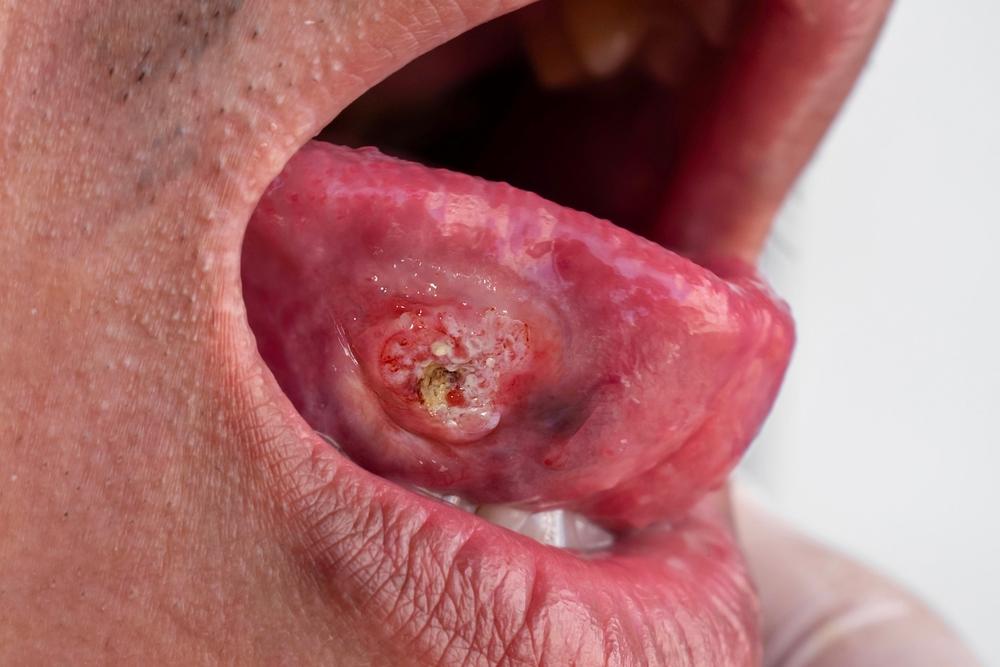
Have you noticed a mouth sore that just won't heal or a white patch that seems out of place? While these changes aren't always serious, they shouldn't be ignored. Oral Cancer develops when abnormal cells grow in the mouth or throat, and catching it early can make a big difference. Well, here's the thing—many early symptoms are painless, so they're easy to overlook. In this guide, we'll walk through the common symptoms, possible causes, how doctors diagnose oral cancer, and the treatment options available.
What Is Oral Cancer?
Understanding the basics can help you recognize why early detection matters. Oral cancer isn't limited to one part of the mouth, and it can affect people in different ways.
Where Can It Develop?
Oral cancer can begin in several areas, including the:
- Lips
- Tongue
- Gums
- Floor of the mouth
- Roof of the mouth
- Inner cheeks
It starts when cells in these tissues grow abnormally and continue multiplying instead of dying naturally. However, not every mouth sore or lump is cancer. That's why a proper medical evaluation is so important.
Now that you know what oral cancer is, let's look at the signs you should never ignore.
What Are the Symptoms of Oral Cancer?
The symptoms often appear gradually, which is one reason they're easy to dismiss. However, if they last for more than two weeks, it's time to see a healthcare provider.
Common Warning Signs
You might notice:
- A mouth sore that doesn't heal
- Red or white patches inside the mouth
- A lump or thickened area
- Persistent mouth pain
- Bleeding without a clear cause
- Difficulty chewing or swallowing
- Loose teeth
- Ongoing sore throat or hoarseness
You might be wondering if these symptoms always mean cancer. Thankfully, they don't. Still, getting them checked early can rule out serious conditions and, if needed, lead to faster treatment.
Next, let's look at what increases the risk of developing oral cancer.
What Causes Oral Cancer?
There isn't a single cause of oral cancer. Instead, several factors can damage healthy cells over time and increase the risk.
Common Risk Factors
Some of the most common risk factors include:
- Smoking cigarettes, cigars, or pipes
- Using chewing tobacco
- Heavy alcohol consumption
- Infection with certain types of HPV
- Long-term sun exposure that affects the lips
- Poor oral hygiene
- A diet low in fruits and vegetables
However, people with no obvious risk factors can also develop oral cancer. That's why regular dental checkups remain important for everyone.
Knowing the causes helps us understand why early diagnosis is so valuable.
How Is Oral Cancer Diagnosed and Treated?
If your doctor suspects oral cancer, they'll begin with a physical examination of your mouth and neck. In addition, they may recommend a biopsy to confirm whether abnormal cells are cancerous.
Imaging tests such as CT scans, MRI scans, or PET scans may also help determine whether the cancer has spread.
Common Treatment Options
Treatment depends on the stage and location of the cancer. Common treatment options include:
- Surgery to remove the tumor
- Radiation therapy
- Chemotherapy
- Targeted therapy
- Immunotherapy in selected cases
Sometimes, doctors combine two or more treatments to achieve the best possible outcome. Recovery varies from person to person, but early-stage oral cancer generally responds better to treatment.
Final Thoughts
An oral cancer diagnosis can feel frightening, but early detection gives you more treatment options and better outcomes. Paying attention to changes in your mouth and scheduling regular dental exams can help catch problems before they become more serious.
Here's a Quick Recap
- Persistent mouth sores should never be ignored.
- Tobacco, alcohol, and HPV are major risk factors.
- Diagnosis often includes a physical exam, biopsy, and imaging.
- Treatment may involve surgery, radiation, chemotherapy, or newer therapies.
Ready to take the next step? If you've noticed unusual changes in your mouth that haven't gone away, talk to your healthcare provider or dentist as soon as possible. In addition, ongoing head and neck cancer clinical trials continue to improve treatment approaches and offer hope for better outcomes in the future.
- Managerial Effectiveness!
- Future and Predictions
- Motivatinal / Inspiring
- Fitness and Wellness
- Medical & Health
- Manufacturing
- Education
- Real-Estate
- Food Industry
- Hospitality
- Online Games
- Sports
- Home Services
- Civil Engineering
- Safety and Protection
- Software Products & Services
- Fashion and Jewellery
- Artificial Intelligence
- Entrepreneurship
- Mentoring & Guidance
- Marketing
- Networking
- HR & Recruiting
- Literature
- Shopping
- Career Management & Advancement