

 SkillClick
Custom Cosmetic Boxes: A Complete Guide to Better Beauty Packaging
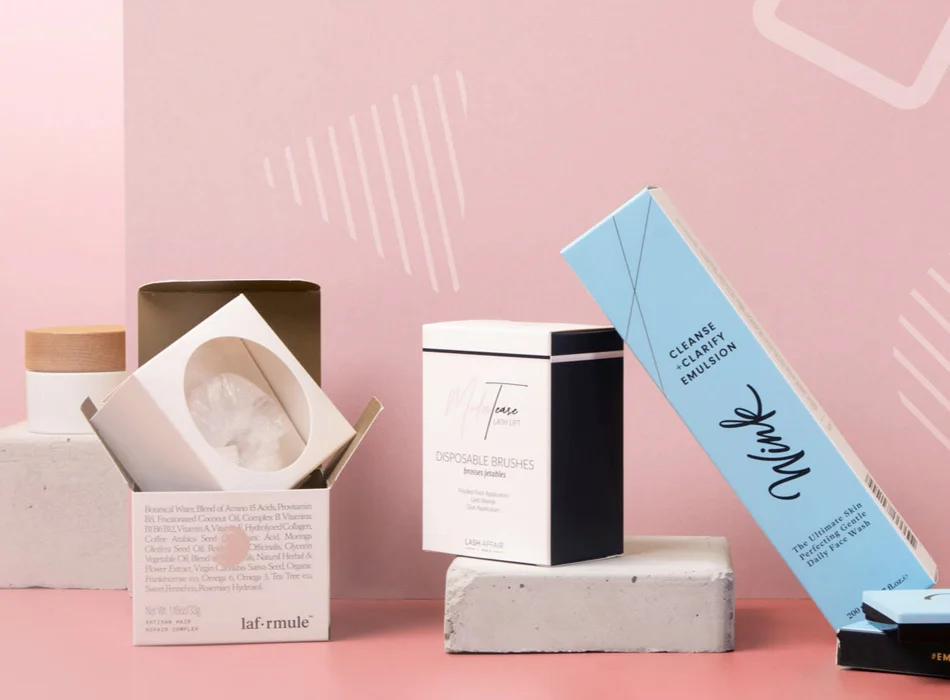
The beauty market is full of products that promise better skin, brighter colours, and improved confidence. However, before customers test a cosmetic product, they first notice its packaging. This makes custom cosmetic boxes an important part of the customer experience.
A well-designed cosmetic box does more than hold a product. It protects the item, explains how it should be used, reflects the brand’s values, and helps the product stand out in shops or online images. Packaging can also make a simple beauty product feel more valuable and trustworthy.
Whether a business sells skincare creams, makeup, serums, perfumes, or beauty tools, the right packaging can improve brand recognition and support long-term growth. This guide explains how custom cosmetic boxes work, which materials and styles are available, and how beauty brands can use packaging to create a strong market position.
What Are Custom Cosmetic Boxes?
Custom cosmetic boxes are packaging solutions made according to the exact needs of a beauty product. Their size, shape, material, colour, printing, and finishing can all be changed to match the product and brand.
Unlike plain or ready-made packaging, customised boxes allow businesses to control every visual and practical detail. A brand can print its logo, product name, ingredients, instructions, safety information, and contact details directly on the packaging.
These boxes can be created for many cosmetic products, including:
-
Face creams
-
Lipsticks
-
Lip glosses
-
Foundations
-
Eyeliners
-
Mascaras
-
Perfumes
-
Serums
-
Essential oils
-
Soaps
-
Hair care products
-
Nail care products
A box designed for a glass serum bottle will be different from one made for a lipstick tube. This is why proper measurements, material selection, and structural planning are essential.
Why Cosmetic Packaging Matters
Customers often connect the quality of packaging with the quality of the product inside. A damaged, dull, or poorly printed box may make even a good cosmetic product look unreliable.
Attractive packaging creates a positive first impression. It can encourage customers to pick up the product, read its details, and consider buying it. In online shopping, packaging becomes even more important because customers cannot touch or test the actual item.
Clear and professional packaging also builds confidence. When shoppers can easily find ingredients, usage instructions, product benefits, and safety details, they are more likely to trust the brand.
The box also acts as a silent salesperson. It continues to promote the business on shop shelves, dressing tables, social media posts, and unboxing videos.
Protecting Delicate Beauty Products
Many cosmetic products come in fragile containers made from glass or thin plastic. These items can break, leak, scratch, or lose their shape if they are not properly protected.
Custom cosmetic boxes can be designed to fit the product closely. A correct fit reduces unnecessary movement during storage and delivery. Brands can also add cardboard inserts, foam supports, paper dividers, or moulded trays for extra protection.
Protection is especially important for products such as perfume bottles, glass foundation containers, and skincare jars. Strong packaging helps reduce product damage, customer complaints, refunds, and replacement costs.
The box should also protect the cosmetic item from dust, moisture, sunlight, and temperature changes where possible. Although the box cannot solve every storage issue, a suitable material can create an important layer of protection.
Building a Recognisable Beauty Brand
Successful beauty brands are easy to recognise. Their colours, logos, fonts, photography, and packaging styles work together to create one clear identity.
Custom boxes give businesses enough space to show this identity. For example, a natural skincare brand may use kraft board, soft green colours, and simple plant illustrations. A luxury makeup brand may choose dark colours, gold foil, and a soft-touch finish.
The same design style should appear across the full product range. This helps customers connect different products with the same company. It also makes the brand look organised and professional.
Consistency does not mean every box must look exactly the same. Brands can use different colours or patterns for each product while keeping the logo, font, and layout consistent.
Choosing the Right Packaging Material
Material selection affects the strength, appearance, cost, and environmental impact of cosmetic packaging. The right choice depends on the weight, size, value, and sensitivity of the product.
Cardboard
Cardboard is one of the most popular materials for cosmetic boxes. It is lightweight, printable, and suitable for many retail beauty products.
It can be cut, folded, and printed in different ways. Cardboard is commonly used for lipsticks, eyeliners, mascaras, foundations, and lightweight skincare items.
Kraft Paper
Kraft paper has a natural brown appearance, although it can also be bleached or printed. It is popular with organic, handmade, and environmentally aware beauty brands.
Its simple texture creates a clean and honest look. Kraft boxes work well for soaps, natural creams, essential oils, and plant-based cosmetics.
Corrugated Board
Corrugated board contains a fluted layer that provides extra strength. It is commonly used for shipping boxes, subscription boxes, and cosmetic gift sets.
A beauty business that delivers products directly to customers may use corrugated mailer boxes to protect several items in one package.
Rigid Board
Rigid boxes are made from thick board that does not fold easily. They feel strong, premium, and valuable.
Luxury skincare sets, perfumes, beauty collections, and influencer gift boxes often use rigid packaging. Although it costs more than standard folding cartons, it can improve the perceived value of the product.
Popular Styles of Cosmetic Boxes
The structure of a box affects how it opens, closes, displays, and protects the item. Beauty businesses can select from many packaging styles.
Straight Tuck End Boxes
Straight tuck end boxes have flaps that close in the same direction. They create a neat front panel and are commonly used for retail cosmetics.
Reverse Tuck End Boxes
Reverse tuck boxes have top and bottom flaps that close in opposite directions. They are easy to assemble and suitable for lightweight cosmetic items.
Sleeve Boxes
A sleeve box contains an outer cover that slides over an inner tray. This style offers a smooth unboxing experience and works well for makeup sets, skincare products, and beauty tools.
Two-Piece Boxes
Two-piece boxes include a separate lid and base. They can create a premium presentation and are often selected for gift packaging.
Magnetic Closure Boxes
Magnetic boxes close with hidden magnets. They feel secure and luxurious, making them suitable for expensive cosmetic collections, PR packages, and seasonal gift sets.
Window Boxes
A transparent window allows shoppers to view the product without opening the box. This style can be useful for lip products, soaps, makeup brushes, and colourful cosmetic containers.
Packaging for Different Cosmetic Products
Every beauty item has different packaging needs. A heavy glass jar requires more support than a small lipstick tube.
Skincare brands must carefully design packaging for moisturisers and treatments. Properly measured custom foundation boxes can hold jars or tubes securely while providing enough room for ingredients, directions, skin-type information, and product benefits.
Lip products usually need slim, lightweight boxes that are easy to display. Well-planned custom lip gloss boxes can include shade names, finish details, ingredients, and colour indicators without making the design look crowded.
Perfume packaging often requires stronger materials because glass bottles are fragile and may have unusual shapes. Inserts can hold the bottle in position and create a premium presentation.
For serums and essential oils, internal support is particularly useful. A small bottle should not move freely inside an oversized box, as this can increase the risk of damage.
Creating an Attractive Box Design
An attractive design should capture attention without confusing the customer. Every element must have a purpose.
The logo should be easy to see, but it should not take over the whole design. The product name must be clear, especially when a brand sells several similar items.
Colours should match the product and target audience. Soft shades may suit gentle skincare products, while bright colours can work well for playful makeup collections.
Fonts must remain readable. Decorative lettering may look beautiful, but it should not make important information difficult to understand.
White space is also valuable. Leaving some areas open can make the packaging feel cleaner and more premium. Filling every panel with text, icons, and patterns can create a messy appearance.
Information to Print on Cosmetic Packaging
Cosmetic boxes should provide useful and accurate information. The exact requirements may depend on the product type and the market where it is sold.
Common packaging details include:
-
Brand name
-
Product name
-
Product purpose
-
Ingredients
-
Net weight or volume
-
Usage instructions
-
Warnings
-
Storage advice
-
Batch information
-
Manufacturing or expiry details
-
Business contact information
-
Recycling symbols
-
Barcode
The information should be placed in a clear order. Customers should not have to search across several panels to understand what the product does or how to use it.
Brands should also check relevant cosmetic packaging and labelling rules before printing large quantities. Incorrect claims, missing details, or unclear warnings can damage customer trust and create legal problems.
Printing Options for Cosmetic Boxes
Professional printing can turn a plain box into a strong marketing tool. The best printing method depends on the design, material, order quantity, and budget.
Offset printing produces sharp details and accurate colours. It is often selected for larger orders where consistent quality is important.
Digital printing is suitable for smaller quantities and quick projects. It can also be useful when a brand wants to test a new product design before placing a larger order.
Flexographic printing works well for simple designs and certain packaging materials. It is commonly used for shipping cartons and kraft packaging.
Brands can use CMYK printing for full-colour artwork. Pantone matching may be selected when an exact brand colour must remain consistent across different packaging products.
Finishes That Improve Appearance
Finishing options add texture, shine, depth, or protection to a printed box. They can also help certain parts of the design stand out.
Matte lamination creates a smooth, soft, and modern surface. It reduces glare and works well for premium skincare and makeup packaging.
Gloss lamination adds shine and makes colours appear brighter. It can be useful for bold, energetic beauty products.
Soft-touch coating gives the surface a velvet-like feel. This finish can make customers spend more time holding and exploring the box.
Foil stamping adds metallic detail in colours such as gold, silver, rose gold, or copper. It is often applied to logos, borders, and product names.
Embossing raises part of the design above the surface, while debossing presses it inward. Both techniques add texture and can improve the premium feel of the packaging.
Spot UV applies a shiny coating to selected areas. It creates contrast against a matte background and can draw attention to a logo or pattern.
Sustainable Cosmetic Packaging
Many customers now pay attention to packaging waste. Beauty brands can respond by reducing unnecessary materials and selecting more responsible options.
A sustainable box should be correctly sized. Oversized packaging uses more material and takes up extra space during delivery.
Recyclable cardboard and kraft paper are popular choices. Brands can also consider recycled materials, water-based inks, and simple designs that are easier to process after use.
Plastic windows, foam inserts, and mixed materials may make recycling more difficult. Paper-based windows or cardboard inserts can be used where practical.
Sustainability claims should remain honest. A business should avoid calling packaging completely eco-friendly unless it has clear evidence to support that statement.
Improving the Unboxing Experience
Unboxing has become an important part of beauty marketing. Customers often record new purchases and share them on social media.
A thoughtful unboxing experience can make the order feel more special. The box should open smoothly, present the product neatly, and keep every item in position.
Brands can add printed tissue paper, thank-you cards, product guides, discount cards, or small samples. However, extra items should be useful rather than wasteful.
The outside of a delivery box can remain simple, while the inside can feature brand colours or a short message. This creates a pleasant surprise when the package is opened.
A strong unboxing experience can encourage customer reviews, social sharing, and repeat purchases.
Supporting Retail and Online Sales
Packaging must work well in the place where the product will be sold.
Retail boxes need strong shelf appeal. The main product information should remain visible from the front, and the structure should be easy for shop staff to arrange.
Products sold online need packaging that looks attractive in photographs. Clear branding and balanced colours can improve product listings and social media content.
Online orders also face more handling during delivery. The retail box may need an outer mailer, protective insert, or additional padding to prevent damage.
Businesses that sell through both shops and websites should create packaging that performs well in both environments.
Ordering the Correct Box Size
Accurate measurements are essential. A box that is too small may damage the product, while a box that is too large can allow movement and waste material.
The product’s length, width, and height should be measured carefully. Any cap, pump, handle, or unusual feature must be included.
Space may also be required for an insert or protective wrapping. However, too much empty space should be avoided.
Before approving full production, brands should request a sample or prototype where possible. A physical sample allows the business to check the fit, opening style, print position, colour, and overall appearance.
Common Packaging Mistakes to Avoid
One common mistake is adding too much information to the front panel. The main display area should focus on the brand, product name, and key benefit.
Another issue is choosing a weak material for a heavy item. The box may bend, tear, or open during transport.
Some brands use colours that look different from their website or social media identity. This inconsistency can make the business harder to recognise.
Poor spelling, incorrect ingredients, and missing instructions can also reduce trust. Every printed detail should be checked before production begins.
Businesses should also avoid copying competitors too closely. Inspiration is useful, but the final packaging should have its own clear identity.
How Custom Boxes Support Business Growth
Professional packaging can improve the way customers view a beauty brand. When a product looks organised, protected, and valuable, customers may feel more confident about buying it.
Custom boxes also help businesses launch product ranges with a consistent appearance. New items can follow the same design system while using different colours, names, or images.
Good packaging can support higher pricing because presentation affects perceived value. Customers may be willing to pay more when the product feels premium and carefully made.
Branded boxes also increase exposure. Every package seen in a shop, home, delivery vehicle, or social media post creates another chance for the brand to be noticed.
Final Thoughts
Custom cosmetic boxes are much more than product containers. They protect delicate items, communicate essential details, improve shelf appeal, and help customers remember the brand.
The best packaging combines appearance with practical performance. It should fit the product correctly, use a suitable material, present information clearly, and reflect the company’s values.
Beauty businesses do not need to fill their boxes with unnecessary design elements. A simple, balanced, and thoughtful approach often creates the strongest result.
By investing in well-planned cosmetic packaging, brands can improve customer trust, reduce product damage, create memorable unboxing moments, and build a more consistent market presence. In a competitive beauty industry, the right box can help turn a small cosmetic product into a professional and recognisable brand.
- Managerial Effectiveness!
- Future and Predictions
- Motivatinal / Inspiring
- Fitness and Wellness
- Medical & Health
- Manufacturing
- Educação
- Real-Estate
- Food Industry
- Hospitality
- Online Games
- Sports
- Home Services
- Civil Engineering
- Safety and Protection
- Software Products & Services
- Fashion and Jewellery
- Artificial Intelligence
- Entrepreneurship
- Mentoring & Guidance
- Marketing
- Networking
- HR & Recruiting
- Literature
- Shopping
- Career Management & Advancement