

 SkillClick
How Digital Shopping Is Reshaping Consumer Habits
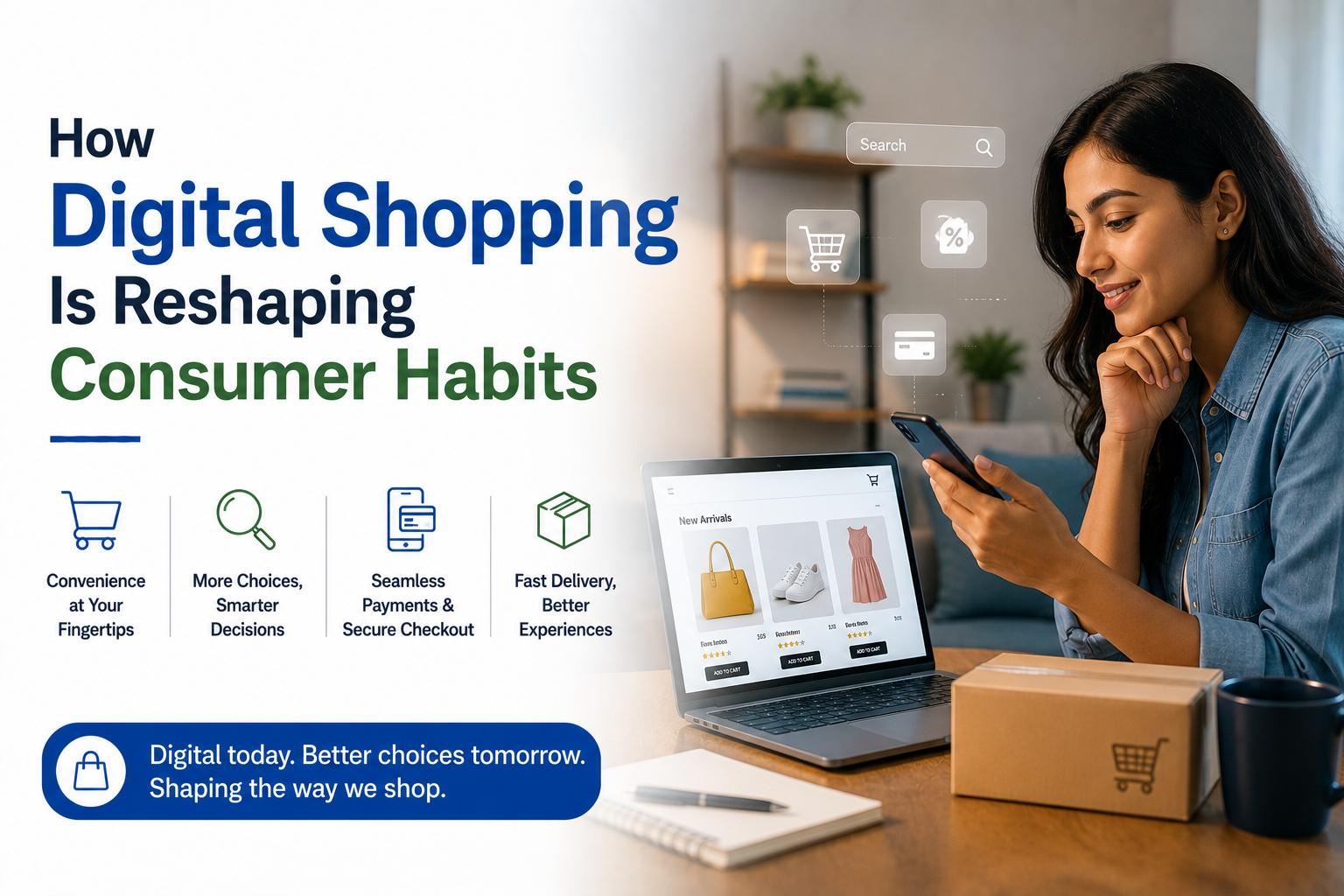
B2C e-commerce has become a major part of daily consumer activity as people buy fashion, electronics, groceries, personal care products, home goods, medicines, digital services, and lifestyle items through online platforms. Convenience, mobile access, digital payments, wider product choice, faster delivery, and personalized recommendations are changing how consumers discover, compare, and purchase products across markets.
According to MarkNtel Advisors, the global online retail market states that the B2C e-commerce market was valued at USD 7.44 trillion in 2025 and is projected to grow from USD 8.41 trillion in 2026 to USD 12.65 trillion by 2032. The study estimates a CAGR of around 7.04% during 2026–2032, supported by Asia-Pacific demand, B2C retail activity, fashion and apparel purchases, and leading platform competition.
Mobile Access Is Expanding Online Shopping
Smartphones have made online shopping more accessible because consumers can browse products, compare prices, read reviews, track deliveries, and make payments from almost anywhere. Mobile apps, social commerce, digital wallets, one-click checkout, and personalized notifications are reducing friction in the purchase journey and making e-commerce part of routine consumer behavior.
The World Bank’s digital development overview highlights the role of digital technologies in connecting people, services, and economic activity, which is relevant as online retail depends on internet access, digital payments, logistics systems, and consumer trust. As connectivity improves, more consumers are able to participate in digital commerce.
B2C Retail Holds the Largest Share
B2C retail accounted for around 58% share in 2026, according to the shared study. This includes online sales of physical products such as apparel, electronics, beauty items, household products, groceries, furniture, appliances, and daily-use goods. Its strong position reflects the shift from store-only purchasing toward omnichannel and platform-based buying.
Online retail platforms allow consumers to compare products across brands and sellers quickly. They also support product discovery through search, recommendations, ratings, influencer content, and seasonal campaigns. For retailers, digital channels create access to wider audiences, better inventory visibility, and data-driven merchandising, but they also increase expectations around delivery speed and service quality.
Asia-Pacific Leads Digital Commerce Activity
Asia-Pacific accounted for around 42% share in 2026, making it the leading regional contributor in the shared study. The region’s position is supported by large populations, mobile-first consumers, expanding digital payments, active marketplace platforms, dense urban logistics networks, and strong participation from countries such as China, India, Japan, South Korea, and Southeast Asian economies.
The region also includes many consumers who entered digital shopping through smartphones rather than desktop computers. This has encouraged app-based commerce, social commerce, live selling, and quick-delivery models. Local payment systems, regional marketplaces, and language-specific shopping experiences are helping online retail reach both major cities and smaller towns.
Fashion and Apparel Remain Highly Active
Fashion and apparel accounted for about 24% share in 2026, according to the shared study. Clothing, footwear, accessories, sportswear, ethnic wear, and beauty-adjacent fashion products are popular online because consumers can browse large collections, compare prices, follow trends, and access discounts across multiple brands.
However, fashion e-commerce also requires strong return policies, accurate sizing information, product images, reviews, and reliable delivery. Consumers may hesitate when fit, fabric, or color cannot be checked physically. Retailers are responding with size guides, virtual try-on tools, detailed descriptions, customer photos, and flexible return options.
Digital Payments Strengthen Buyer Confidence
Digital payments are central to B2C e-commerce because they help complete transactions quickly and securely. Cards, wallets, bank transfers, buy-now-pay-later options, QR payments, and local payment methods all support online buying. Payment convenience can influence whether consumers complete a purchase or abandon a cart.
The OECD’s consumer policy work emphasizes the importance of consumer trust, protection, and fair digital environments, which is relevant because e-commerce depends on secure payments, transparent pricing, refund rights, and protection from misleading practices. Strong consumer safeguards help improve confidence in online transactions.
Logistics Shape the Customer Experience
Delivery performance is one of the most important parts of online shopping. Consumers expect accurate delivery timelines, real-time tracking, safe packaging, easy returns, and reliable customer support. E-commerce companies therefore invest in warehouses, last-mile delivery, fulfillment centers, route optimization, and partnerships with logistics providers.
Fast delivery is especially important for groceries, medicines, personal care products, and daily essentials. For cross-border e-commerce, customs, duties, product authenticity, and delivery time become more important. Logistics quality can strongly influence repeat purchases because consumers often remember delivery failures more than browsing convenience.
Personalization Is Changing Product Discovery
Online platforms use data to recommend products, personalize offers, suggest bundles, and show relevant content based on browsing and purchase behavior. This can improve discovery and help consumers find products more quickly. For sellers, personalization supports better conversion, targeted promotions, and customer retention.
At the same time, personalization raises concerns around privacy, data use, and transparency. Consumers increasingly expect platforms to protect personal information and provide control over communication preferences. Trustworthy data practices are becoming important as e-commerce platforms collect more information about shopping behavior.
Competition Reflects Platform Strength
The shared study notes that the top five players account for nearly 30% share, indicating that large platforms hold strong influence while regional marketplaces, brand-owned stores, and niche retailers remain active. Competition is shaped by assortment, pricing, delivery speed, seller quality, user experience, payment options, and customer support.
Retailers are increasingly adopting omnichannel strategies to compete effectively. Physical stores may support pickup, returns, local delivery, and product trials, while online platforms provide broader reach and convenience. This blending of channels is making the consumer journey more flexible and less dependent on a single purchase route.
Outlook for Digital Consumer Commerce
B2C e-commerce demand is being shaped by mobile access, Asia-Pacific activity, B2C retail expansion, fashion and apparel purchases, digital payments, logistics improvement, and platform competition. The report figures indicate steady growth through 2032 as consumers continue shifting more shopping occasions online.
The long-term direction will depend on how platforms, retailers, payment providers, logistics companies, and regulators balance convenience, affordability, privacy, delivery reliability, seller accountability, and consumer protection. As digital shopping becomes more embedded in daily life, B2C e-commerce will remain an important part of modern consumer behavior.
- Managerial Effectiveness!
- Future and Predictions
- Motivatinal / Inspiring
- Fitness and Wellness
- Medical & Health
- Manufacturing
- Education
- Real-Estate
- Food Industry
- Hospitality
- Online Games
- Sports
- Home Services
- Civil Engineering
- Safety and Protection
- Software Products & Services
- Fashion and Jewellery
- Artificial Intelligence
- Entrepreneurship
- Mentoring & Guidance
- Marketing
- Networking
- HR & Recruiting
- Literature
- Shopping
- Career Management & Advancement