

 SkillClick
How to Choose the Perfect Location Before You Build a Fire Pit
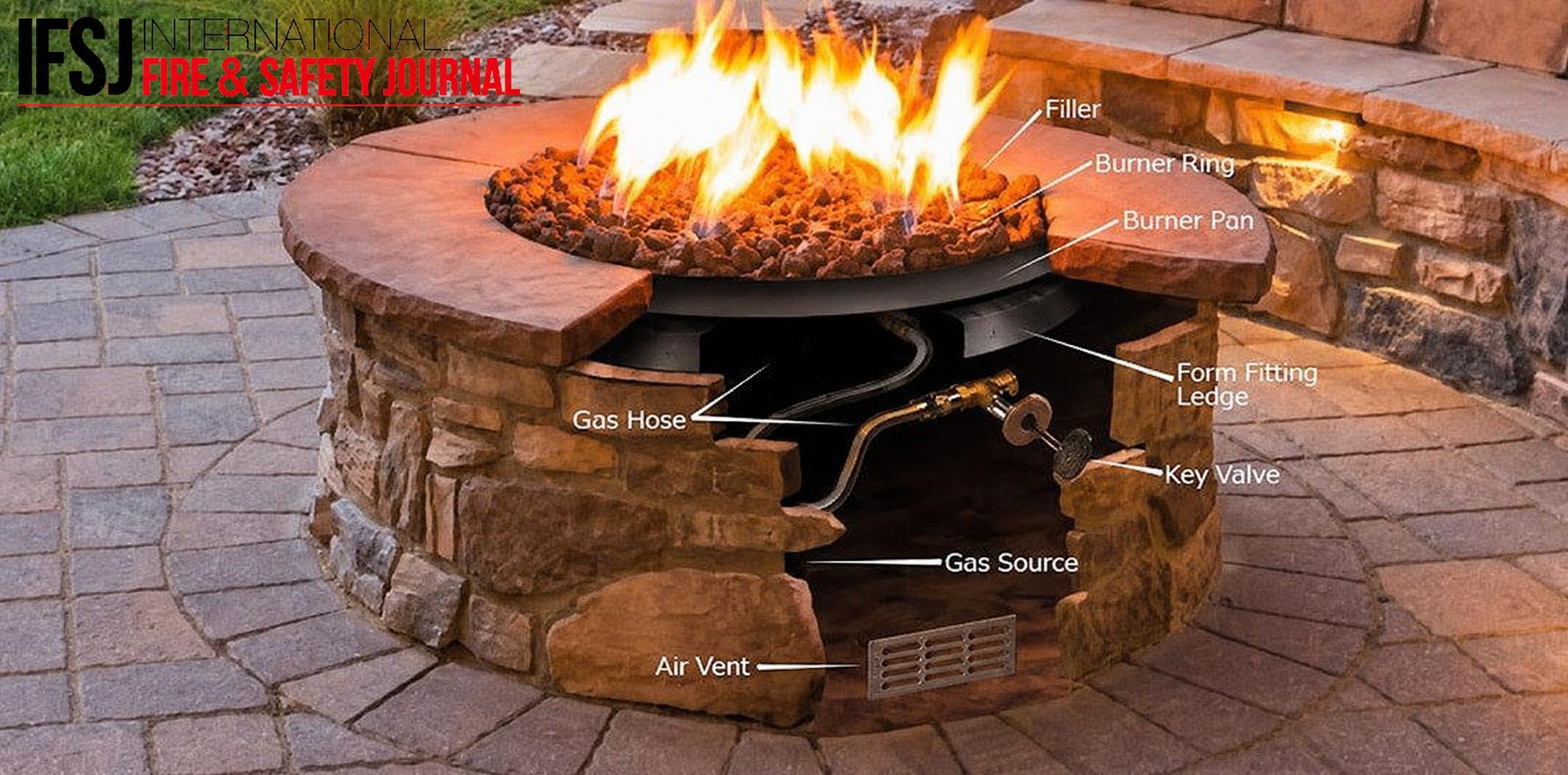
Choosing the right location is one of the most important steps before adding a fire pit to an outdoor space. The position you select affects safety, comfort, appearance, and how effectively the area can be used over time. A carefully planned location allows homeowners to create a relaxing outdoor environment while reducing potential risks associated with heat, smoke, and surrounding materials.
Many homeowners focus mainly on the design, shape, or materials of a fire pit but overlook placement factors. Common mistakes include installing it too close to buildings, choosing unstable surfaces, ignoring wind direction, or failing to review local safety requirements.
Before starting any installation project, it is important to evaluate the available space and understand the conditions around the area. This guide explains key factors such as clearance requirements, surface selection, airflow, layout planning, and regulations to help homeowners create a safe and functional outdoor fire feature.
Why Fire Pit Location Matters Before Construction?
Selecting the right position before installation plays a major role in creating a safe and enjoyable outdoor area. Proper planning helps prevent common issues and improves the overall performance of the fire feature.
Enhances safety around your outdoor space
A correctly positioned fire pit reduces exposure to nearby structures, vegetation, furniture, and other combustible materials. Maintaining proper clearance helps limit risks caused by heat and sparks.
Improves comfort during use
The location directly affects how people gather, sit, and move around the area. A well-planned arrangement provides enough space for guests while reducing smoke-related discomfort.
Protects surrounding property features
Choosing an appropriate area helps prevent damage to patios, walls, fences, and landscaping. Heat and ash can affect nearby surfaces when placement is not carefully considered.
Creates a better outdoor design
A fire pit should complement the overall appearance of a backyard or patio. The right position can create an attractive focal point while maintaining a balanced layout.
Supports long-term usability
A practical location makes cleaning, maintenance, and seasonal preparation easier. Planning ahead ensures the area remains convenient and enjoyable for regular use.
Factors to Consider When Choosing a Fire Pit Location
Before installation begins, homeowners should evaluate several important conditions around their outdoor area. These factors help create a safer setup while improving functionality and appearance.
Maintain Proper Safety Distance From Surroundings
A fire pit should be positioned away from homes, fences, trees, outdoor furniture, and other materials that could be affected by heat or sparks. Maintaining adequate spacing improves safety and allows better airflow around the installation.
Understand Wind Direction and Smoke Movement
Wind patterns can influence comfort and usability. Placing the fire pit where smoke naturally moves away from seating areas helps create a more enjoyable experience and prevents constant exposure to smoke.
Choose a Stable and Heat-Resistant Surface
The ground beneath the fire feature should be level, strong, and capable of handling heat. Concrete, brick, and stone surfaces are commonly preferred because they provide stability and reduce surface-related concerns.
Plan Enough Space for Seating and Movement
A comfortable fire pit area requires more than just space for the installation. Homeowners should consider seating arrangements, walking paths, and enough room for people to move safely around the area.
Check Local Regulations Before Installation
Local authorities may have specific rules regarding fire pit placement, permits, and safety requirements. Reviewing these guidelines before construction helps ensure the project follows recommended standards.
Best Locations for Different Types of Fire Pits
Different fire pit designs require different placement considerations. The best location depends on the type of installation, available outdoor area, and how homeowners plan to use the space.
Patio Areas for Permanent Fire Pit Installations
Patios often provide a strong foundation for built-in fire features. These areas allow homeowners to create dedicated seating zones while integrating the fire pit naturally with existing outdoor designs.
Open Yard Spaces for Portable Fire Pits
Portable options provide flexibility and can be moved when required. Open areas with fewer obstacles allow better airflow and provide more control over placement during different seasons.
Outdoor Entertainment Areas for Modern Designs
Larger outdoor living spaces can support stylish fire features designed for social gatherings. These areas should still include proper ventilation, clearance, and safe access for users.
Common Mistakes to Avoid When Selecting a Fire Pit Location
Poor planning can create safety concerns and reduce the overall enjoyment of an outdoor fire feature. Avoiding common placement mistakes helps homeowners achieve better results.
Installing Too Close to Buildings or Structures
One of the most common mistakes is placing a fire pit near houses, sheds, fences, or covered areas. Heat exposure and sparks may create unnecessary risks when clearance requirements are ignored.
Ignoring Natural Wind Patterns
A location may look ideal but still create problems if wind direction is overlooked. Smoke can frequently move toward seating areas, making the space uncomfortable during use.
Choosing an Unsuitable Ground Area
Uneven, soft, or combustible surfaces can affect stability and safety. Selecting a proper foundation helps maintain balance and supports safer operation over time.
Forgetting Future Maintenance Requirements
Some homeowners select locations based only on appearance. Accessibility for cleaning, repairs, and regular inspections should also be considered before finalizing placement.
How to Plan Your Fire Pit Area Before Building
A well-planned surrounding area improves both safety and comfort. Before starting any project, homeowners should consider the complete layout rather than focusing only on the fire feature itself.
Measure Available Space Before Installation
Accurate measurements help determine whether the selected area can support the fire pit, seating, and movement requirements. Proper planning prevents overcrowding and allows better use of outdoor space.
Design Comfortable Seating Arrangements
Seating should provide enough distance from heat while allowing guests to interact comfortably. Thoughtful placement improves the overall experience and creates a welcoming gathering environment.
Prepare for Safe Fire Management
Understanding how to build a fire pit properly involves planning safety measures, including access to water, fire extinguishing equipment, and clear surroundings before construction begins.
Final Checklist Before Building Your Fire Pit
Reviewing important details before construction helps confirm that the selected location is suitable. A final inspection can prevent future safety and usability problems.
Verify Required Safety Clearances
Check that the planned location maintains enough distance from structures, plants, and other materials before installation starts.
Confirm Ground Stability and Conditions
Ensure the surface is level, durable, and suitable for supporting the fire feature safely throughout regular use.
Review Rules and Maintenance Needs
Confirm local requirements and consider whether the chosen area allows easy cleaning, inspection, and long-term maintenance.
Conclusion
Choosing the right location is the foundation of a successful fire pit project. Careful planning improves safety, durability, comfort, and overall enjoyment while helping homeowners avoid common installation problems.
Evaluating outdoor space, understanding environmental conditions, and considering future maintenance needs can create a more functional and secure fire feature. Guidance from trusted resources such as international fire and safety journal can help homeowners follow responsible outdoor fire safety practices.
A well-designed fire pit area should provide both relaxation and protection. By selecting a suitable location before construction begins, homeowners can create an inviting outdoor space that remains practical, safe, and enjoyable for years.
FAQs
1. What factors should I consider before choosing a fire pit location?
Consider safety distance, wind direction, surface type, available space, seating arrangements, and local regulations before selecting the final position.
2. Can I place a fire pit on any outdoor surface?
No. The surface should be stable and heat-resistant. Materials such as stone, brick, and concrete are generally better choices than combustible surfaces.
3. Why is wind direction important for fire pit placement?
Wind direction affects smoke movement and comfort. Proper placement helps prevent smoke from constantly moving toward people or nearby structures.
4. Should I check local rules before installing a fire pit?
Yes. Local requirements may include specific safety distances, permits, or restrictions that should be reviewed before beginning installation.
- Managerial Effectiveness!
- Future and Predictions
- Motivatinal / Inspiring
- Fitness and Wellness
- Medical & Health
- Manufacturing
- Образование
- Real-Estate
- Food Industry
- Hospitality
- Online Games
- Sports
- Home Services
- Civil Engineering
- Safety and Protection
- Software Products & Services
- Fashion and Jewellery
- Artificial Intelligence
- Entrepreneurship
- Mentoring & Guidance
- Marketing
- Networking
- HR & Recruiting
- Literature
- Shopping
- Career Management & Advancement