

 SkillClick
A Buyer’s Look at Lab Grown Diamond Engagement Rings
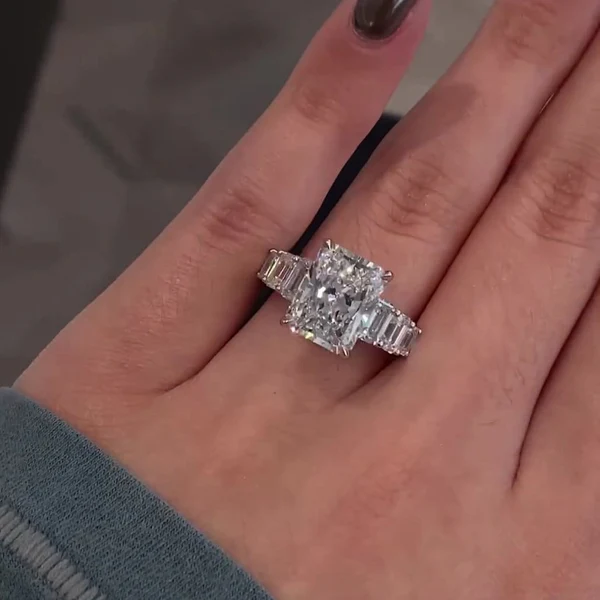
Buying an engagement ring is one of the biggest decisions many couples make. While natural diamonds have been the traditional choice for years, many buyers are now exploring lab grown diamond engagement rings because they offer the same physical and chemical properties as mined diamonds while giving shoppers more options within their budget.
If you're planning to purchase a ring for your partner, understanding the details before making your decision can help you buy with confidence. This guide covers everything you need to know, from quality and pricing to certification and styles.
Know About Lab Grown Diamond Engagement Rings Before You Buy
Before shopping, it's important to know about lab grown diamond engagement rings and how they compare with mined diamonds.
A lab-grown diamond is created inside a controlled environment using advanced technology that recreates the natural process of diamond formation. The result is a real diamond not a diamond simulant like cubic zirconia or moissanite.
These diamonds have the same hardness, brilliance, and durability as mined diamonds. Even professional jewelers require specialized equipment to identify whether a diamond is mined or laboratory-grown.
For buyers, this means you can choose a genuine diamond while often paying significantly less than the price of a comparable mined stone.
Why More Buyers Are Choosing Lab-Grown Diamonds
Many people today compare different options before investing in an engagement ring. One reason buyers prefer lab grown diamonds for engagement rings is the value they receive for the money spent.
Instead of choosing a smaller mined diamond, shoppers can often purchase a larger or higher-quality lab-grown diamond within the same budget.
Other reasons include:
- Better value for the price
- Wide variety of cuts and carat sizes
- Certified quality grading
- Greater design flexibility
- Availability from many trusted jewelers
Every buyer has different priorities, and these advantages have made laboratory-grown diamonds increasingly popular.
Understanding Diamond Quality
Whether you're buying a mined diamond or one created in a laboratory, quality should always come first.
Most diamonds are evaluated using the well-known Four Cs:
Cut
The cut determines how well the diamond reflects light. A well-cut diamond appears brighter and more attractive than one with poor proportions.
Color
Diamonds are graded from D to Z. Diamonds closer to D appear whiter, while lower grades show more noticeable color.
Clarity
Clarity measures the number of internal and external characteristics within the diamond. Fewer imperfections usually increase value.
Carat Weight
Carat refers to the diamond's weight rather than its physical size. Two diamonds with equal carat weight may appear different depending on their cut.
Understanding these grading factors helps buyers compare lab grown diamond rings more accurately.
Certification Matters
Never purchase a diamond without certification from a recognized grading laboratory.
A grading report provides important information, including:
- Carat weight
- Color grade
- Clarity grade
- Cut grade
- Measurements
- Polish
- Symmetry
Certification gives buyers confidence that the diamond matches the seller's description.
Choosing the Right Ring Style
Your engagement ring should reflect the personality of the person who will wear it every day.
Popular styles include:
Solitaire
A single diamond remains one of the most popular choices because it highlights the center stone.
Halo
A halo design surrounds the center diamond with smaller diamonds, creating a fuller appearance.
Three-Stone Rings
These rings feature a center diamond with two side stones, representing a couple's past, present, and future.
Vintage-Inspired Designs
Many buyers also appreciate details inspired by older jewelry styles. Some collections even feature the Antiquecut design, which offers a distinctive appearance inspired by historical diamond cutting techniques.
Selecting the Best Diamond Shape
Diamond shape affects the overall appearance of the ring.
Popular choices include:
- Round
- Oval
- Cushion
- Princess
- Emerald
- Pear
- Marquise
- Radiant
Round diamonds remain the most popular because of their light performance, while oval and cushion shapes have become increasingly popular among younger buyers.
Setting a Budget
One advantage of lab diamond engagement rings is that buyers often have greater flexibility when planning their purchase.
Rather than following outdated rules about spending a certain number of months' salary, many couples now choose a budget based on their financial situation.
Setting a budget before shopping helps narrow your options and prevents unnecessary overspending.
Comparing Lab-Grown and Mined Diamonds
Many first-time buyers wonder whether there is a noticeable difference.
In reality:
- Both are real diamonds.
- Both have identical chemical composition.
- Both score 10 on the Mohs hardness scale.
- Both can receive the same quality grades.
The primary differences involve how they are created and their market pricing.
How to Shop with Confidence
Shopping online has become increasingly common, but buyers should always research the retailer before placing an order.
Look for stores that provide:
- Certified diamonds
- High-quality product images
- Detailed specifications
- Clear return policies
- Customer reviews
- Warranty information
A trustworthy jeweler will answer questions openly and provide complete information before purchase.
Matching the Ring to Your Partner's Lifestyle
An engagement ring is worn daily, so comfort should be part of the decision.
If your partner works with their hands, consider lower-profile settings that reduce the chance of snagging.
If they enjoy classic jewelry, a solitaire may suit them best. Someone who enjoys detailed designs may appreciate vintage-inspired settings.
Choosing a ring that matches everyday life often leads to greater satisfaction than simply selecting the largest diamond.
Metal Options
The metal influences both appearance and durability.
Popular choices include:
- White gold
- Yellow gold
- Rose gold
- Platinum
Each offers its own look and maintenance requirements.
White gold remains one of the most commonly selected metals, while platinum is valued for its durability.
Caring for Your Ring
Regular care helps keep your ring looking its best.
Simple maintenance includes:
- Cleaning with mild soap and warm water
- Using a soft brush
- Storing the ring separately
- Removing it during heavy work
- Scheduling occasional professional inspections
Proper care protects both the diamond and its setting.
Shopping as a Couple
Many couples now choose the engagement ring together rather than relying on surprises.
Shopping together allows both partners to compare different styles, discuss budgets, and select a ring they'll both feel good about.
Whether shopping online or in-store, taking time to compare different options often results in a better purchase.
Why Buyers Continue to Choose Laboratory-Grown Diamonds
Consumer preferences continue to evolve, and many people appreciate having additional choices when purchasing an engagement ring.
Today's buyers often focus on quality, certification, value, and design rather than tradition alone.
With careful research and a trusted jeweler, engagement rings lab grown diamonds provide an opportunity to purchase a genuine diamond while making the most of your budget.
Likewise, buyers searching for engagement lab grown diamond rings can find a wide selection of styles, shapes, and settings suitable for every preference.
As awareness grows, more shoppers are also discovering that lab grown diamonds offer the same lasting durability expected from any genuine diamond.
Final Thoughts
Buying an engagement ring should never feel rushed. Take time to compare quality, certification, styles, and pricing before making your decision.
Whether you prefer a classic solitaire, a halo setting, or a vintage-inspired design, lab grown diamond engagement ring options are available for every taste and budget.
By understanding what makes a quality diamond and working with a reputable jeweler, you'll be better prepared to choose a ring that reflects your relationship and remains a meaningful part of your story for years to come.
- Managerial Effectiveness!
- Future and Predictions
- Motivatinal / Inspiring
- Fitness and Wellness
- Medical & Health
- Manufacturing
- Education
- Real-Estate
- Food Industry
- Hospitality
- Online Games
- Sports
- Home Services
- Civil Engineering
- Safety and Protection
- Software Products & Services
- Fashion and Jewellery
- Artificial Intelligence
- Entrepreneurship
- Mentoring & Guidance
- Marketing
- Networking
- HR & Recruiting
- Literature
- Shopping
- Career Management & Advancement