

 SkillClick
From Concept to Creation: Custom Lab Grown Diamond Rings Explained
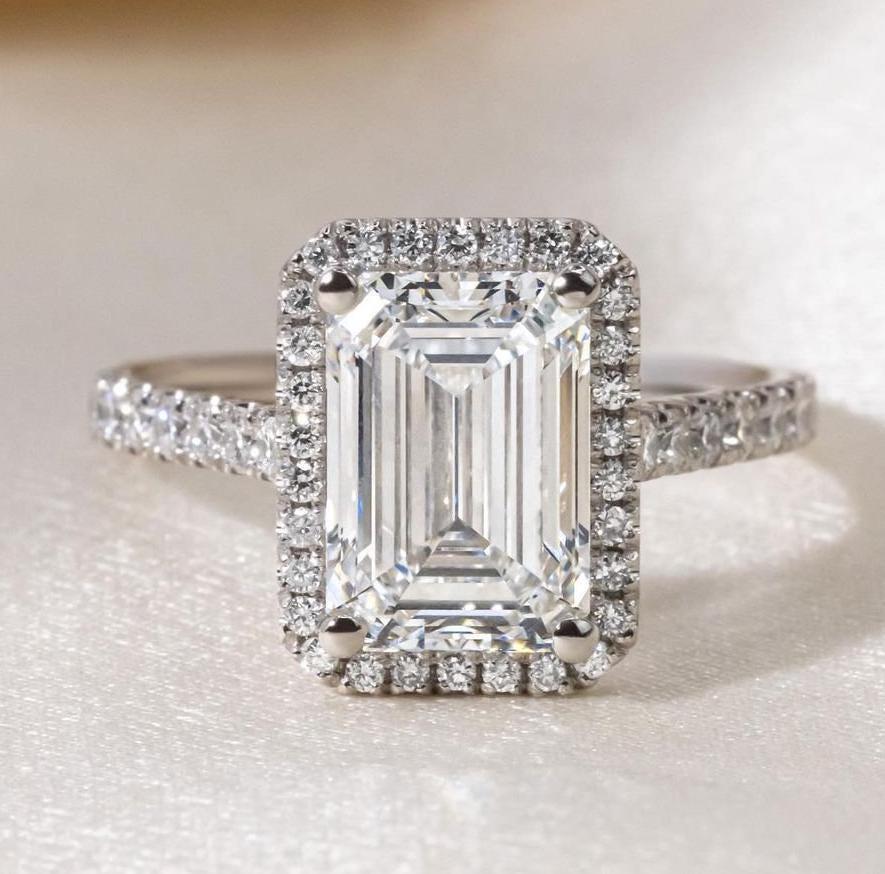
A ring often begins as a simple thought. It may come from a design someone noticed, a detail connected to a relationship, or a preference that cannot be found in a standard jewelry collection. Custom lab grown diamond rings give buyers the freedom to turn those early ideas into a ring made around their priorities, budget, and personal taste.
The process involves more than selecting a diamond and placing it into a band. Diamond shape, setting height, prong style, metal, band width, side stones, comfort, and daily wear all affect the finished ring. Understanding each stage makes it easier to communicate your ideas and make decisions with confidence.
Why Choose a Custom Ring?
Ready-made rings work well for many buyers, but they usually come with fixed combinations. The diamond shape, setting, band width, metal, and accent stones have already been selected.
A custom ring gives you more control. You can start with one feature you love and build the rest of the design around it. For example, you might like an oval diamond but want it placed east-west. You may prefer a yellow gold band with white gold prongs or a low-profile setting that sits close to the finger.
Customization is also helpful when you like elements from several rings but do not want to copy one design completely. The center stone from one ring, the band style from another, and a personal detail can be combined into a balanced original design.
Begin with a Clear Idea
You do not need a finished drawing before speaking with a jeweler. A few reference images and written notes are often enough to begin.
Look at rings you already like and identify the exact features that attract you. Instead of saying that you like the entire ring, note whether you prefer the diamond shape, prongs, band thickness, side profile, hidden halo, basket, or metal color.
It is equally useful to identify what you do not want. You may dislike a high setting, thick band, large halo, sharp prongs, or stones covering the entire shank. These preferences help narrow the design direction.
Your early notes might include:
- Preferred diamond shape
- Approximate carat range
- Metal type and color
- Band width
- Setting height
- Accent stone preference
- Lifestyle concerns
- Ring size
- Target budget
These details give the jeweler a strong starting point without limiting the design too early.
Select the Center Diamond
The center diamond usually has the greatest visual influence on the ring. When designing custom lab grown diamond engagement rings, shape is often the first major decision.
Round diamonds offer balanced proportions and strong light return. Oval, pear, marquise, radiant, cushion, emerald, and Asscher shapes each create a different appearance on the hand.
Elongated shapes such as oval, pear, radiant, and marquise can make the finger appear longer. Cushion diamonds have softer corners, while emerald and Asscher cuts show broad, step-like facets.
Carat weight is important, but it should not be considered alone. Two diamonds with the same carat weight can look different in size because their measurements, depth, and shape are different.
Review these factors when choosing a stone:
Diamond Measurements
Length and width help you understand how large the diamond will appear from above. Measurements are especially important for elongated stones.
Length-to-Width Ratio
This ratio determines whether a diamond appears wider, narrower, longer, or more square. Two oval diamonds of the same carat weight can have noticeably different outlines.
Color and Clarity
Lab grown diamonds are available in many color and clarity grades. The highest grade is not always necessary. A well-selected stone can appear clean to the eye without using the maximum clarity level.
Certification
An independent grading report provides information about the diamond’s measurements, color, clarity, cut details, and identification number. Many buyers prefer diamonds graded by IGI or GIA.
Cut Quality
Cut affects how light moves through the diamond. For shapes that do not receive a standard laboratory cut grade, videos and close-up images can help you evaluate performance.
Choose a Setting That Supports the Diamond
The setting protects the center stone and defines much of the ring’s character. It also affects how high the diamond sits, how easy the ring is to clean, and whether a wedding band can sit beside it.
Decide on the Metal
Metal changes the color, strength, weight, maintenance needs, and price of a custom lab grown diamond ring.
Plan the Band Proportions
Band width can change how large the diamond appears and how the ring feels on the finger. A thin band may place more focus on the center stone, while a wider band can give the ring a stronger overall presence.
The band should not be reduced beyond safe structural limits. Very thin areas may bend or wear more quickly, especially near the setting.
Tapered bands become narrower as they approach the center diamond. This can create a smooth visual connection between the shank and the setting. Knife-edge bands rise toward a central ridge, while flat and rounded bands create different hand-feel and profiles.
When you customize a lab grown diamond ring, consider whether the band will be plain, engraved, pavé-set, channel-set, twisted, split, or accented with larger stones.
Add Personal Details with Purpose
Personalization does not need to be obvious from a distance. Small details can hold meaning while keeping the overall ring balanced.
Common options include:
- A hidden birthstone inside the band
- An engraved date or short phrase
- A small diamond beneath the center stone
- A custom basket pattern
- A two-tone metal combination
- A meaningful number of accent stones
- Initials placed inside the shank
- Side stones connected to a shared memory
These details should be planned early when they affect the ring structure. Interior stones, unusual galleries, or detailed engraving may require additional metal thickness or changes to the setting.
Understand the Design Approval Stage
After the main features are selected, the jeweler may prepare a computer-aided design, often called a CAD model. This digital model shows the ring from multiple angles and provides measurements for the stone, band, prongs, and setting.
Review the CAD carefully. Pay attention to proportions rather than surface finish, since the digital model may look heavier or less polished than the completed ring.
Check the following areas:
- Center diamond position
- Setting height
- Prong number and shape
- Band width and thickness
- Gallery design
- Side-stone spacing
- Symmetry
- Wedding-band fit
- Engraving placement
- Overall measurements
Ask questions when a measurement is unclear. A one-millimeter difference can affect both appearance and comfort.
Changes are easier to make during the CAD stage than after production begins. For this reason, final approval should only be given after every important detail has been checked.
Balance Appearance with Durability
A ring must look good, but it must also support regular wear. Extremely thin prongs, weak connection points, very narrow bands, and poorly supported accent stones can create future repair problems.
The jeweler should maintain enough metal around the center setting and through the lower section of the band. The exact measurements depend on the metal, ring size, diamond weight, and setting style.
A low-profile design may offer better protection, but it can limit the ability to place a straight wedding band beside the ring. A higher setting may allow a flush fit, although it may catch more easily on clothing.
Good customization involves balancing these trade-offs rather than focusing on one feature alone.
Set a Practical Budget
Custom does not automatically mean unaffordable. Lab grown diamonds can make it possible to allocate more of the budget toward size, quality, setting details, or metal.
Your total cost may include:
- Center diamond
- Side diamonds
- Gold or platinum
- Design work
- CAD preparation
- Setting labor
- Engraving
- Certification
- Shipping and insurance
Share your budget before the diamond and setting are finalized. This allows the jeweler to recommend combinations that stay within your range.
For example, choosing a diamond with a slightly lower clarity grade may allow room for platinum, larger side stones, or a more detailed band. A different carat weight or ratio may also provide the desired appearance at a lower cost.
Build Your Own Ring Without Overcomplicating It
The phrase build your own engagement ring lab diamond may sound like every part must be invented from the beginning. In reality, many successful custom rings begin with an existing setting that is adjusted.
You might change the diamond shape, band width, prong style, metal combination, halo size, or side stones. This approach gives you personal control while starting from a tested structure.
For a fully original design, the jeweler may build the setting around the exact measurements of your selected center stone. This is particularly useful for unusual ratios, larger diamonds, fancy shapes, or nonstandard side-stone combinations.
The goal is not to add as many details as possible. A successful design uses only the elements that support the overall idea.
Review Production and Quality Checks
Once the design is approved, the ring moves into production. Depending on the method used, the piece may be cast, assembled, set, polished, and inspected through several stages.
The diamond setter secures the center and accent stones. The ring is then polished, cleaned, and checked for loose stones, uneven prongs, surface marks, and alignment.
Before shipping, quality control should confirm:
- The correct diamond was used
- The ring size matches the order
- Prongs are secure and balanced
- Accent stones are properly set
- Engraving is accurate
- Metal finish is consistent
- The ring matches the approved design
Production time varies based on the complexity of the design, metal, stone sourcing, and number of revisions.
Explore Custom Lab Grown Diamond Rings
Buyers who want control over shape, setting, metal, proportion, and personal details can explore custom lab grown diamond rings before committing to a fixed design. Reviewing several examples can help identify which features work well together and which details matter most.
A company such as Antiquecut can help buyers compare diamond shapes, setting structures, band styles, and customization choices based on their preferences and budget.
Reference images are useful, but the finished design should be adjusted to suit the selected diamond and the wearer’s finger. This creates a ring that feels personal rather than copied.
Final Thoughts
Creating a custom ring is a step-by-step process. Begin with a clear idea, select the center diamond carefully, choose a setting that supports daily wear, and review the CAD before production.
Strong communication is one of the most important parts of the process. Share visual references, explain your priorities, mention your budget, and ask questions about measurements and structure.
Custom lab grown diamond rings allow buyers to make informed choices about every major feature. With thoughtful planning, the final ring can reflect personal taste, support everyday use, and carry details that hold meaning for the wearer.
- Managerial Effectiveness!
- Future and Predictions
- Motivatinal / Inspiring
- Fitness and Wellness
- Medical & Health
- Manufacturing
- Education
- Real-Estate
- Food Industry
- Hospitality
- Online Games
- Sports
- Home Services
- Civil Engineering
- Safety and Protection
- Software Products & Services
- Fashion and Jewellery
- Artificial Intelligence
- Entrepreneurship
- Mentoring & Guidance
- Marketing
- Networking
- HR & Recruiting
- Literature
- Shopping
- Career Management & Advancement