

 SkillClick
OSHA Training Course for Construction Professionals: Everything You Need to Know About OSHA 30-Hour Training
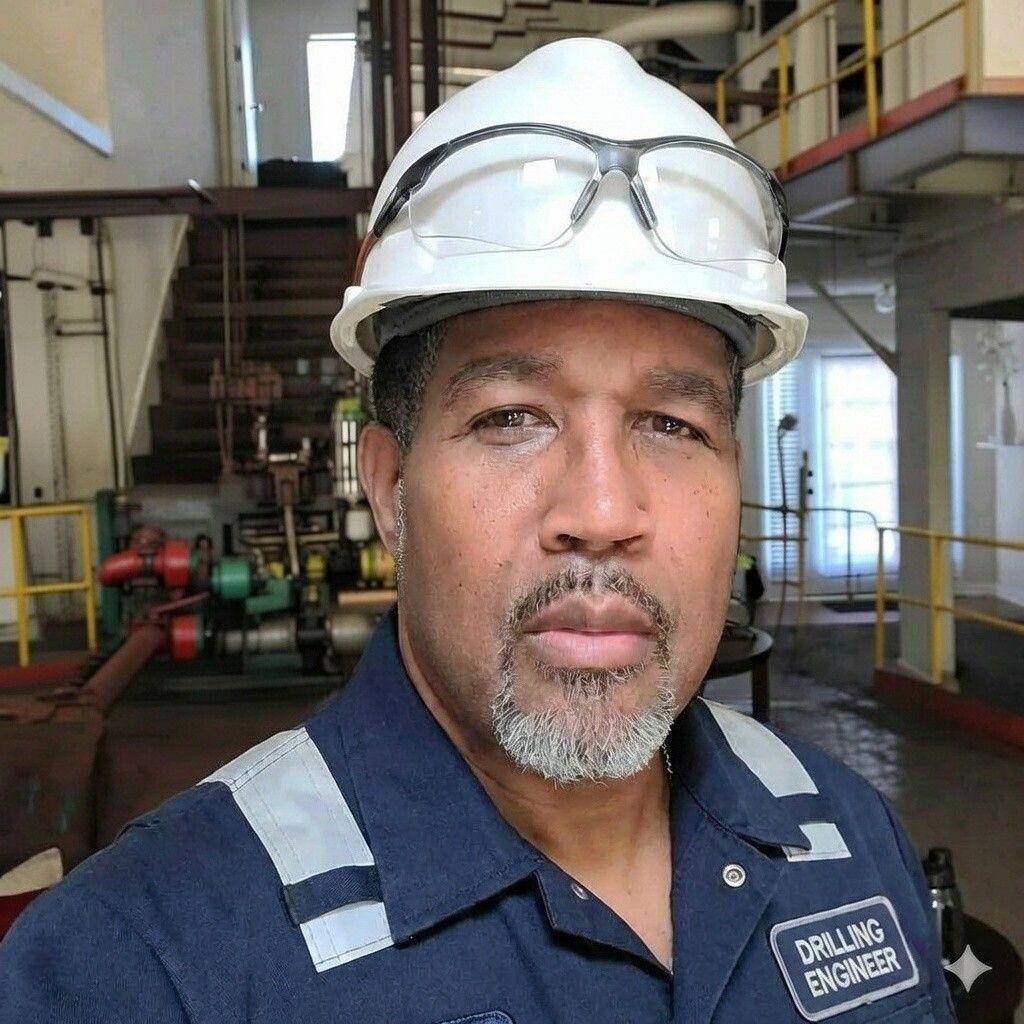
Every construction project begins with careful planning, skilled workers, and the right equipment. Yet even the most organized site can become dangerous if hazards are overlooked. From working at height to operating heavy machinery, construction professionals face risks that require knowledge, awareness, and consistent safety practices every day.
For individuals looking to strengthen their workplace safety expertise, OSHA 30 hour Construction Training offers comprehensive education that prepares learners to identify hazards, prevent accidents, and contribute to a safer work environment. Whether you are a new construction worker, an experienced supervisor, or an engineer overseeing complex projects, this course provides practical knowledge that can be applied on every job site.
Why Is Construction Safety Education Essential?
Construction is one of the most dynamic industries, with work conditions changing throughout each stage of a project. New equipment, multiple contractors, temporary structures, and evolving site layouts create hazards that require constant attention.
Professional safety education helps workers develop the ability to recognize these risks before they lead to incidents. Instead of reacting after an accident, trained professionals learn to identify unsafe conditions, communicate concerns, and recommend preventive measures.
Imagine a construction crew preparing to install roofing materials. Before work begins, the supervisor inspects fall protection systems, checks access ladders, and confirms that weather conditions are suitable for working at height. These simple but important actions reduce the likelihood of workplace incidents and improve overall site safety.
This preventive approach is one of the key principles taught throughout OSHA construction training.
Who Should Complete OSHA Construction Training?
The course is valuable for professionals working in many construction-related roles.
1. Construction Workers
Workers performing daily construction tasks gain practical knowledge that helps them recognize and manage workplace hazards more effectively.
2. Site Supervisors
Supervisors responsible for directing crews learn structured methods for inspections, hazard recognition, and safety communication.
3. Engineers
Civil, structural, electrical, and mechanical engineers benefit from understanding how workplace safety supports successful project execution.
4. Project Managers
Managers overseeing construction operations improve their ability to coordinate safe work practices across multiple teams.
5. Safety Officers
Health and safety professionals strengthen their understanding of construction-specific hazards and workplace safety management.
What Does the OSHA 30-Hour Construction Course Cover?
The course focuses on practical safety concepts that construction professionals encounter every day.
1. Fall Protection
Working at height presents significant challenges on construction sites.
Learners study fall prevention methods, equipment inspections, safe work procedures, and hazard identification.
2. Electrical Safety
Temporary wiring, portable equipment, and power tools require careful management.
The course explains how to recognize electrical hazards and reduce associated risks.
3. Scaffolding Safety
Participants learn proper scaffold setup, inspection procedures, safe access methods, and load management practices.
4. Personal Protective Equipment
The program explains how protective equipment supports worker safety when selected and used correctly.
5. Material Handling
Safe lifting techniques and proper equipment operation reduce workplace injuries while improving efficiency.
6. Hazard Communication
Workers learn the importance of sharing safety information clearly and reporting workplace hazards promptly.
How Does the Course Improve Everyday Construction Work?
The value of OSHA construction training extends well beyond the classroom.
Workers become more aware of their surroundings and begin identifying hazards before starting each task.
Supervisors conduct more organized workplace inspections.
Project managers improve coordination between contractors by encouraging stronger communication and clearer safety procedures.
These improvements help create safer and more efficient construction projects.
Which Learning Format Is Right for You?
Training providers often offer several learning options that fit different schedules and learning preferences.
1. Classroom Learning
Face-to-face instruction allows learners to interact directly with experienced instructors and classmates.
2. Live Online Classes
Virtual sessions provide flexibility while maintaining instructor interaction and discussion.
3. Self-Paced Learning
Recorded lessons allow learners to complete the course according to their own schedules.
4. Hybrid Learning
Hybrid programs combine classroom teaching with online learning resources for greater flexibility.
A Workplace Example
Usman worked as a foreman on a commercial construction project where multiple subcontractors performed different tasks throughout the day.
Although safety procedures existed, communication between teams sometimes created confusion when work areas changed.
After completing OSHA construction training, Usman introduced daily coordination meetings before work began, improved inspection routines, and encouraged workers to report hazards immediately.
Within a short period, teams communicated more effectively, work areas remained better organized, and safety inspections became more consistent throughout the project.
His experience demonstrates how structured safety education strengthens both leadership and teamwork.
How Can You Get the Most From the Course?
Preparation and active participation help learners achieve the greatest benefit.
1. Learn Basic Construction Processes
Familiarity with common construction activities makes technical topics easier to understand.
2. Observe Workplace Hazards
Pay attention to potential risks during daily work and consider how they can be prevented.
3. Participate During Lessons
Asking questions and discussing workplace examples improves understanding.
4. Apply Concepts to Real Projects
Relating course topics to actual construction sites reinforces practical learning.
5. Review Learning Materials Regularly
Consistent revision helps learners retain important safety concepts.
Learning Pathways
Choosing a reputable OSHA Training Course provider is an important step toward building strong construction safety knowledge. Compare instructor qualifications, learning materials, classroom or online support, revision opportunities, and the provider's overall educational approach before enrolling.
A high-quality learning pathway develops practical skills that extend far beyond course completion. Learners strengthen hazard recognition, improve workplace communication, develop leadership abilities, and gain confidence when applying safety principles on construction sites. These capabilities support continuous professional development throughout a construction career.
Frequently Asked Questions
Who should complete OSHA 30-Hour construction training?
The course is suitable for construction workers, supervisors, engineers, project managers, safety officers, and professionals responsible for workplace safety.
Is construction experience required before enrolling?
No. Both beginners and experienced professionals can benefit from the practical safety knowledge covered throughout the program.
What topics are included in the course?
The course commonly covers fall protection, electrical safety, scaffolding, personal protective equipment, material handling, hazard communication, and accident prevention.
Can I complete the course while working full-time?
Yes. Many providers offer classroom, live online, self-paced, and hybrid learning options that accommodate busy work schedules.
How does the course help construction professionals?
The training improves hazard recognition, workplace communication, leadership skills, accident prevention awareness, and overall construction safety knowledge.
Conclusion
Construction projects demand continuous attention to workplace safety, effective communication, and proactive hazard management. OSHA 30-Hour construction training provides professionals with practical knowledge that helps them recognize risks, improve daily safety practices, and contribute to safer work environments across every stage of a project.
Whether you are beginning your construction career or preparing for greater leadership responsibilities, completing comprehensive safety training equips you with the confidence and practical skills needed to support both successful projects and the wellbeing of everyone on site.
- Managerial Effectiveness!
- Future and Predictions
- Motivatinal / Inspiring
- Fitness and Wellness
- Medical & Health
- Manufacturing
- Education
- Real-Estate
- Food Industry
- Hospitality
- Online Games
- Sports
- Home Services
- Civil Engineering
- Safety and Protection
- Software Products & Services
- Fashion and Jewellery
- Artificial Intelligence
- Entrepreneurship
- Mentoring & Guidance
- Marketing
- Networking
- HR & Recruiting
- Literature
- Shopping
- Career Management & Advancement