

 SkillClick
Float Glass Price Forecast 2026: Global Index Trends and Market Outlook | IMARC Group
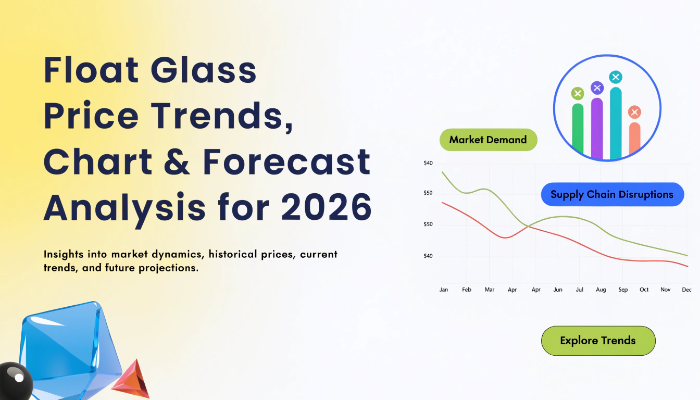
Global Float Glass Prices Outlook – Q2 2026
Global float glass prices showed a mixed but largely upward movement during Q2 2026, supported by steady construction demand and firm energy costs. According to the latest Float Glass Price Index 2026 and Float Glass Price Forecast, the float glass price chart indicated a moderate uptrend in most regions, with Asia and North America leading price strength while parts of Europe remained relatively stable.
In June 2026, prices reached USD 1115/MT in the USA and climbed to USD 1322/MT in China, reflecting strong domestic consumption and production cost pressures. Europe showed comparatively moderate levels, with Germany at USD 678/MT and France at USD 705/MT, while the UK stood higher at USD 854/MT. Overall, prices increased by approximately 4%–9% quarter-on-quarter across major regions.
Float Glass Prices Outlook Q2 2026
- Germany: USD 678/MT
- France: USD 705/MT
- United Kingdom: USD 854/MT
- USA: USD 1115/MT
- China: USD 1322/MT
Prices across regions reflected variations in energy costs, construction activity, and production capacity. Asia-Pacific led the global pricing curve due to strong manufacturing demand, while North America maintained elevated pricing due to supply-side limitations. Europe experienced balanced conditions with stable but slightly rising price levels supported by moderate demand recovery.
North America Float Glass Price Trend – Demand-Driven Stability
Pricing in North America remained firm throughout Q2 2026. The USA recorded USD 1115/MT, supported by steady demand from residential construction and infrastructure upgrades. Glass manufacturers maintained consistent production levels, but higher input costs, particularly natural gas and transportation, kept prices elevated.
Demand from automotive glass and solar panel applications also contributed to price stability. While supply remained adequate, logistical costs and labor expenses continued to influence pricing.
Europe Float Glass Price Trend – Balanced Growth Across Markets
European prices showed moderate increases, with Germany at USD 678/MT and France at USD 705/MT, while the UK recorded a higher level of USD 854/MT. The float glass price trend in Europe was shaped by stable construction activity and controlled production output.
Energy prices remained a key factor, although they were less volatile compared to previous quarters. Demand from renovation projects and energy-efficient building solutions supported consumption. However, cautious industrial activity limited aggressive price spikes.
Asia-Pacific Float Glass Price Trend – Strongest Price Momentum
Asia-Pacific led the global price trend, with China reaching USD 1322/MT in June 2026. Strong domestic construction activity, infrastructure projects, and exports contributed to rising prices.
Production levels remained high, but increased raw material costs and environmental compliance measures added upward pressure. Demand from solar glass manufacturing also played a significant role in pushing prices higher across the region.
Supply and Demand Overview – Q2 2026
The global float glass market in Q2 2026 remained balanced but leaned slightly toward tight supply conditions in key regions. Demand was driven by construction, automotive, and renewable energy sectors.
On the supply side, production remained steady, but rising energy costs and environmental regulations impacted output efficiency. Several manufacturers optimized capacity rather than expanding aggressively, which helped maintain price support.
Float Glass Price Index – Quarterly Analysis
The Float Glass Price Index showed a gradual upward trend during Q2 2026, reflecting consistent demand and cost pressures. Compared to Q1 2026, the index increased moderately, with stronger gains in Asia-Pacific and North America.
This quarterly rise highlights the influence of energy costs, raw material pricing, and stable downstream demand. The Float Glass Price Chart also indicates reduced volatility compared to previous quarters, suggesting improved supply-demand balance.
Historical Analysis – Over Past Quarter
Looking back at the previous quarter, prices were relatively stable but slightly lower than Q2 levels. The transition into Q2 saw gradual price increases due to seasonal construction demand and rising fuel costs.
The float glass price history chart shows that price recovery began toward the end of Q1 2026, setting the stage for continued growth in Q2. The upward trend was not abrupt but steady, indicating controlled market dynamics.
Float Glass Price Forecast – Next 12 Months
The Float Glass Price Forecast suggests a cautiously optimistic outlook for the next 12 months. Prices are expected to remain stable to slightly bullish, supported by ongoing construction activity and renewable energy demand.
Asia-Pacific is likely to maintain strong pricing, while North America may continue to see elevated levels due to cost structures. Europe is expected to remain balanced, with moderate fluctuations depending on energy trends.
Short-term volatility may arise from raw material costs and economic conditions, but overall stability is anticipated.
Key Factors Affecting Float Glass Prices – Quarterly Perspective
Several factors influenced float glass prices in Q2 2026:
- Energy costs, especially natural gas
- Construction and infrastructure demand
- Automotive and solar glass consumption
- Raw material availability
- Environmental regulations impacting production
These elements collectively shaped pricing trends across regions and will continue to influence future movements.
What Is Float Glass?
Float glass is a high-quality flat glass produced by floating molten glass on a bed of molten metal. It is widely used in construction, automotive, and solar panel manufacturing.
Key applications include:
- Windows and facades
- Mirrors and interiors
- Automotive windshields
- Solar panels
Its uniform thickness and clarity make it essential for modern industrial and architectural uses.
Price Trend Summary – Q2 2026
Q2 2026 witnessed a steady increase in float glass prices globally. Asia-Pacific led the growth, followed by North America, while Europe remained stable. The float glass price trend reflected consistent demand and manageable supply conditions.
Recent Developments – Q2 2026 Highlights
- Increased focus on energy-efficient glass production
- Rising demand from solar energy projects
- Stable production levels across major regions
- Gradual recovery in construction activity
Stay Ahead with Latest Price Trends – Grab Your Sample Today: https://www.imarcgroup.com/float-glass-price-trend/requestsample
FAQs About Float Glass Price Insights & Trend Analysis:
What Is The Float Glass Price Index 2026 Showing?
The Float Glass Price Index 2026 indicates a moderate upward trend during Q2, driven by steady demand and higher energy costs across major regions.
How Does The Float Glass Price Chart Reflect Market Trends?
The Float Glass Price Chart shows gradual price increases with reduced volatility, highlighting balanced supply-demand conditions and consistent industrial consumption.
What Is The Float Glass Price Forecast For 2026?
The Float Glass Price Forecast 2026 suggests stable to slightly rising prices, supported by construction growth, renewable energy demand, and controlled supply levels.
Conclusion – Strategic Outlook
Float glass prices in Q2 2026 demonstrated steady growth across major regions, with Asia-Pacific leading the upward trend. North America maintained strong price levels, while Europe remained balanced.
Looking ahead, the outlook remains stable with moderate growth potential. Demand from construction and renewable energy sectors will continue to support pricing, while cost factors and supply conditions will shape future movements. Businesses should monitor regional trends closely to optimize procurement and pricing strategies.
Contact Us:
IMARC Group
134 N 4th St., Brooklyn, NY 11249, USA
Email: sales[@]imarcgroup.com
Tel No:(D) +91 120 433 0800
United States: +1-201971-6302
- Managerial Effectiveness!
- Future and Predictions
- Motivatinal / Inspiring
- Fitness and Wellness
- Medical & Health
- Manufacturing
- Education
- Real-Estate
- Food Industry
- Hospitality
- Online Games
- Sports
- Home Services
- Civil Engineering
- Safety and Protection
- Software Products & Services
- Fashion and Jewellery
- Artificial Intelligence
- Entrepreneurship
- Mentoring & Guidance
- Marketing
- Networking
- HR & Recruiting
- Literature
- Shopping
- Career Management & Advancement