

 SkillClick
Why PICC Devices Are Becoming Essential in Modern Care
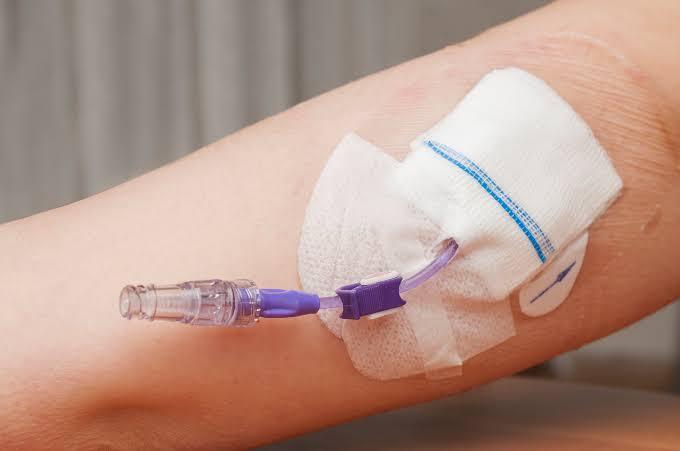
Peripherally inserted central catheter (PICC) devices have become an important part of modern healthcare, particularly for patients who require long-term intravenous therapy. These devices provide reliable venous access for administering medications, fluids, nutrition, and blood products while reducing the need for repeated needle insertions. As healthcare systems increasingly focus on improving patient comfort and treatment efficiency, PICC devices continue to gain wider acceptance across hospitals and specialized care facilities.
The growing use of advanced vascular access technologies has encouraged healthcare providers to adopt solutions that balance safety, durability, and clinical performance. According to an industry analysis published by MarkNtel Advisors, the adoption of advanced vascular access solutions continues to expand as healthcare organizations invest in better patient management practices. The increasing demand reflects broader efforts to improve treatment outcomes while supporting long-term therapies.
Another factor supporting adoption is the growing emphasis on minimizing complications associated with intravenous therapy. Modern PICC devices are designed to facilitate extended treatment durations while helping clinicians manage complex medical conditions more efficiently. Their versatility has made them valuable across oncology, infectious disease management, intensive care, and other specialties where dependable vascular access is essential.
Understanding the Role of PICC Devices
A PICC device is a thin, flexible catheter inserted through a peripheral vein, usually in the upper arm, and advanced until the tip reaches a large central vein near the heart. This placement allows medications with higher concentrations or long treatment durations to be delivered safely. Compared with repeated peripheral intravenous access, PICC lines reduce patient discomfort and improve treatment continuity. The increasing incidence of chronic diseases requiring prolonged intravenous therapy has further strengthened their clinical importance.
Key Factors Driving Adoption
Several healthcare trends are contributing to the wider use of PICC devices worldwide. The rising prevalence of cancer, chronic kidney disease, severe infections, and other long-term illnesses has created greater demand for dependable vascular access. Many treatment protocols require repeated medication administration, chemotherapy, or nutritional support over several weeks or months, making PICC devices an effective solution. Healthcare providers also value their ability to reduce repeated venipuncture, improving the overall patient experience.
Technological Advancements Supporting Better Outcomes
Manufacturers continue to enhance PICC device performance through innovations that improve insertion accuracy, durability, and infection prevention. Developments such as antimicrobial coatings, advanced catheter materials, improved tip navigation technologies, and imaging-assisted placement techniques are helping clinicians perform procedures with greater confidence. These innovations also support efforts to minimize catheter-related complications and improve long-term treatment success.
Growing Importance Across Healthcare Settings
Hospitals remain the primary users of PICC devices due to the high volume of patients requiring long-term intravenous treatment. However, their use has expanded into ambulatory surgical centers, outpatient infusion clinics, and home healthcare services. As healthcare delivery increasingly shifts toward outpatient care, reliable vascular access devices enable patients to continue treatment outside traditional hospital environments without compromising quality or safety.
Clinical Benefits for Patients and Providers
PICC devices provide several practical advantages that support both clinical teams and patients:
- Reduced need for repeated needle insertions during long-term therapy.
- Reliable administration of chemotherapy, antibiotics, nutrition, and blood products.
- Improved patient comfort during extended treatment periods.
- Lower disruption to daily activities compared with frequent peripheral IV replacement.
- Enhanced flexibility for healthcare providers managing complex treatment protocols.
Challenges That Continue to Shape Development
Despite their advantages, PICC devices require careful insertion, monitoring, and maintenance. Potential complications such as infections, thrombosis, catheter occlusion, or improper placement highlight the importance of skilled healthcare professionals and standardized clinical protocols. Continuous staff training, improved insertion technologies, and stronger infection-control practices remain essential to maximizing patient safety and treatment effectiveness.
The Future of PICC Device Innovation
The future of PICC devices is expected to focus on improving patient safety, simplifying insertion procedures, and integrating digital technologies into vascular access management. Research efforts are exploring smarter catheter materials, enhanced antimicrobial protection, and navigation systems that support greater placement accuracy. These innovations may help healthcare providers further reduce complications while improving treatment efficiency across diverse clinical settings.
Conclusion
Peripherally inserted central catheter devices have become an indispensable component of modern intravenous therapy by providing dependable, long-term vascular access for patients with complex medical needs. Their growing role reflects broader healthcare priorities that emphasize patient comfort, treatment efficiency, and improved clinical outcomes. As technological innovation continues and healthcare systems expand advanced treatment capabilities, PICC devices are expected to remain a critical solution supporting high-quality patient care across multiple healthcare environments.
- Managerial Effectiveness!
- Future and Predictions
- Motivatinal / Inspiring
- Fitness and Wellness
- Medical & Health
- Manufacturing
- Education
- Real-Estate
- Food Industry
- Hospitality
- Online Games
- Sports
- Home Services
- Civil Engineering
- Safety and Protection
- Software Products & Services
- Fashion and Jewellery
- Artificial Intelligence
- Entrepreneurship
- Mentoring & Guidance
- Marketing
- Networking
- HR & Recruiting
- Literature
- Shopping
- Career Management & Advancement