Inquire
What Is a Septic Tank? Complete Guide to How It Works, Maintenance, and Costs
A Septic Tank is an essential wastewater treatment system for millions of homes and businesses across the UK that are not connected to the main sewer network. It safely collects and treats wastewater from toilets, sinks, showers, and household appliances before releasing partially treated water into a drainage field. Understanding how a septic system works can help property owners avoid expensive repairs, reduce environmental risks, and extend the life of their drainage system. Whether you're buying a rural property or maintaining an existing system, this guide explains everything you need to know in 2026.
What Is a Septic Tank?
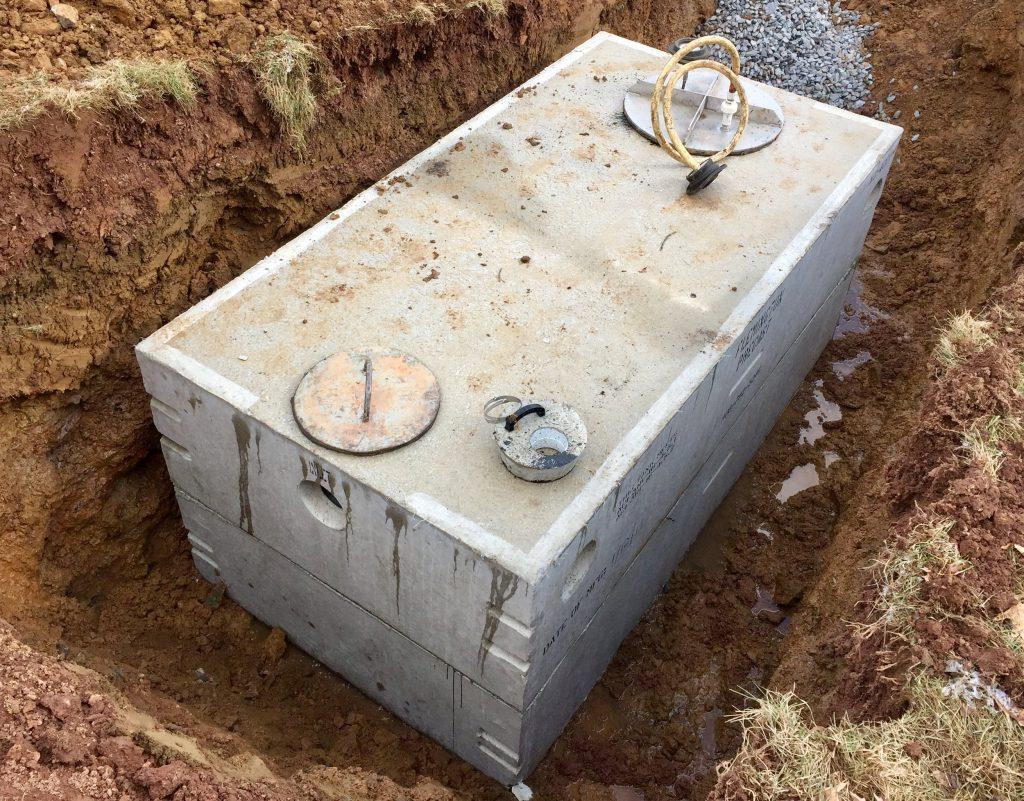
A Septic Tank is an underground wastewater treatment system designed for properties that are not connected to the public sewer. It separates solid waste, oils, and wastewater using natural biological processes before allowing treated water to flow into a soakaway or drainage field.
Most septic systems include:
- An underground septic tank
- Inlet and outlet pipes
- Drainage field (soakaway)
- Inspection chambers
- Ventilation system
When properly maintained, a septic tank can operate efficiently for decades.
How Does a Septic Tank Work?
The process is simple but highly effective.
Step 1: Wastewater Enters the Tank
Water from toilets, showers, washing machines, dishwashers, and sinks flows into the tank.
Step 2: Solids Settle
Heavy waste settles at the bottom, forming sludge, while lighter materials such as grease and oil float to the top as scum.
Step 3: Natural Bacteria Break Down Waste
Beneficial bacteria inside the tank naturally digest organic material, reducing the volume of waste.
Step 4: Treated Water Leaves the Tank
The partially treated wastewater flows into a drainage field where it undergoes further natural filtration before returning safely to the ground.
Why Regular Septic Tank Maintenance Is Important
Ignoring maintenance is one of the biggest causes of septic system failure.
Routine servicing helps:
- Prevent blockages
- Reduce unpleasant odours
- Avoid sewage backups
- Protect groundwater
- Extend the system's lifespan
- Reduce costly emergency repairs
Regular inspections also help identify small issues before they become major problems.
Common Signs Your Septic Tank Needs Attention
Many septic issues begin with small warning signs.
Watch out for:
- Slow-draining sinks and toilets
- Gurgling sounds from pipes
- Bad smells around your property
- Pooling water near the drainage field
- Sewage backing up into the house
- Unusually green grass above the tank
If you notice any of these symptoms, arrange a professional inspection as soon as possible.
What Can Damage a Septic Tank?
Several everyday habits can shorten the life of your system.
Avoid flushing:
- Wet wipes
- Sanitary products
- Cooking grease
- Coffee grounds
- Cotton buds
- Paper towels
- Harsh chemicals
Tree roots, heavy vehicles driving over the tank, and poor maintenance can also damage underground pipework.
Septic Tank Maintenance Tips
Following a few simple practices can significantly improve system performance.
Schedule Regular Emptying
Most UK septic tanks should be emptied every 12 to 24 months depending on household size and usage.
Use Water Efficiently
Reducing excessive water use prevents the system from becoming overloaded.
Protect the Drainage Field
Avoid parking vehicles or constructing buildings over the soakaway area.
Only Flush Appropriate Waste
Human waste and toilet paper are generally the only items that should enter the system.
Arrange Professional Inspections
Regular inspections ensure your tank continues operating safely and efficiently.
Benefits of a Well-Maintained Septic Tank
A properly maintained system offers several advantages.
- Lower maintenance costs
- Longer system lifespan
- Improved environmental protection
- Better drainage performance
- Reduced risk of emergencies
- Compliance with UK environmental regulations
Many homeowners also enjoy greater peace of mind knowing their wastewater system is functioning correctly.
How Much Does a Septic Tank Cost in the UK?
Costs vary depending on property size, ground conditions, installation complexity, and local regulations.
Typical expenses include:
- New septic tank installation
- Routine emptying
- Annual inspections
- Repairs
- Drainage field replacement if required
Although installation can represent a significant investment, preventative maintenance is far more affordable than replacing a failed system.
Choosing the Right Septic Tank Specialist
Selecting an experienced drainage company makes a significant difference.
Look for providers who offer:
- Professional inspections
- CCTV drain surveys
- Emergency drainage services
- Transparent pricing
- Fully qualified engineers
- Positive customer reviews
- Preventative maintenance plans
Working with trusted professionals helps ensure your septic system remains compliant and reliable.
Best Practices for Long-Term Septic Tank Performance
Property owners can maximise the life of their septic system by following a proactive maintenance schedule.
Keep accurate service records, monitor drainage performance, arrange periodic inspections, and never ignore early warning signs. Small maintenance tasks today can prevent major repair bills tomorrow.
If you're looking for local drainage solutions, choosing experienced professionals who understand UK regulations and modern drainage technology can help protect your property for years to come.
Contact Us for Expert Septic Tank Services
Whether you need septic tank inspections, maintenance, repairs, emptying, or expert advice, professional support ensures your system continues operating safely and efficiently.
Contact Us today to speak with the experienced team at Precise Drainage Solutions. We provide reliable septic tank services, modern diagnostic technology, and tailored drainage solutions across the UK, helping homeowners and businesses keep their drainage systems performing at their best.
Frequently Asked Questions
1. What is a septic tank used for?
A septic tank collects and treats wastewater from properties that are not connected to the public sewer system. It separates solids, allows natural bacteria to break down waste, and releases partially treated water into a drainage field.
2. How often should a septic tank be emptied?
Most septic tanks in the UK should be emptied every one to two years, although larger households or higher usage may require more frequent servicing.
3. What are the signs of a full septic tank?
Common signs include slow drains, unpleasant odours, sewage backups, standing water near the drainage field, and unusually lush grass around the tank.
4. Can heavy rain affect a septic tank?
Yes. Excessive rainfall can saturate the drainage field, reducing its ability to absorb wastewater and potentially causing backups or slow drainage.
5. How can I make my septic tank last longer?
Regular emptying, professional inspections, responsible waste disposal, water conservation, and avoiding heavy loads over the drainage field will help extend the lifespan of your septic tank.
- Managerial Effectiveness!
- Future and Predictions
- Motivatinal / Inspiring
- Fitness and Wellness
- Medical & Health
- Manufacturing
- Education
- Real-Estate
- Food Industry
- Hospitality
- Online Games
- Sports
- Home Services
- Civil Engineering
- Safety and Protection
- Software Products & Services
- Fashion and Jewellery
- Artificial Intelligence
- Entrepreneurship
- Mentoring & Guidance
- Marketing
- Networking
- HR & Recruiting
- Literature
- Shopping
- Career Management & Advancement
SkillClick