

 SkillClick
Torch Down Roofing Brooklyn: Lifespan, Cost and Fit
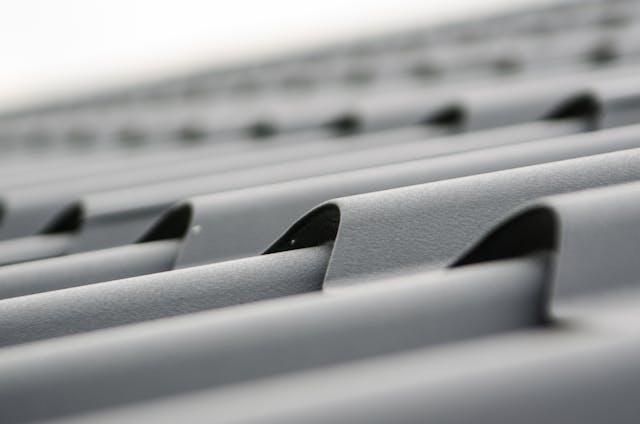
Torch Down Roofing Brooklyn: Why This Flat Roof System Fits the Borough's Rowhouses
Torch down roofing is a modified bitumen system installed with an open-flame torch that fuses each layer into one waterproof surface. Walk any block in Bed-Stuy, Bushwick, or Sunset Park and you are probably looking at it. The torch down roofing Brooklyn rowhouses have carried for decades handles foot traffic, patches easily, and suits small roofs crowded with vents, skylights, and hatches. It is not the right call for every building, though, and the open flame makes installer credentials a legal matter, not a preference. This guide explains how the system is built, what separates 2-ply from 3-ply, how it compares to rubber and TPO, and the licensing every Brooklyn owner should verify. By the end, you will know whether torch down fits your roof.
What Is Torch Down Roofing and How Is It Built?
Torch down is the street name for torch-applied modified bitumen. Sheets of asphalt, reinforced with polyester or fiberglass and strengthened with polymers, are rolled out and heated with an open flame. The heat melts the underside, so each sheet fuses to the layer below.
A standard torch down roof installation uses two plies: a base sheet fastened to the deck, then a granulated cap sheet torched over it. A 3-ply system adds a smooth interply between them for extra thickness and redundancy. The granules on the cap sheet shield the asphalt from UV, and white granule options reflect summer heat.
Because the seams are melted together, the finished surface behaves like one continuous membrane. That is the core appeal of modified bitumen roofing: real thickness, fused seams, and a surface that tolerates being walked on.
Why Does Torch Down Fit Brooklyn Rowhouses So Well?
Short answer: Brooklyn roofs are small, busy, and full of holes. A typical rowhouse roof carries plumbing vents, a hatch or bulkhead, a skylight or two, and often cable and HVAC lines. Every one of those penetrations is a potential leak, and torch down flashes them cleanly.
The system also handles foot traffic better than single-ply rubber. Meter readers, HVAC techs, and neighbors' contractors cross these roofs constantly. Multi-ply asphalt shrugs off that abuse, and when damage does happen, a torch patch bonds to the old surface without special adhesives.
There is a practical fit too. Torch crews work efficiently on tight roofs with party walls on both sides, where staging large single-ply sheets is awkward. That is why the system became the borough default, from vinyl-sided rowhouses to landmarked brownstone blocks.
Torch Down Roofing Brooklyn Costs: What Drives the Price?
For small flat roofs, torch down is usually the economical option, and the total depends on five factors. Ply count comes first, since a 3-ply system costs more than 2-ply but adds thickness and years. Then come tear-off needs, roof access, the number of penetrations to flash, and cap sheet color.
Codes generally cap a roof at two layers. If your building already carries two, a full tear-off joins the bill. Ask for a moisture check before anyone quotes a re-cover, because covering wet layers wastes the money.
| Factor | Torch Down (Modified Bitumen) | EPDM Rubber | TPO |
|---|---|---|---|
| Installation method | Torch-applied, fused seams | Glued or ballasted, taped seams | Heat-welded seams |
| Typical service life | 15 to 20 years, more for 3-ply | 20 to 25 years | 20 to 30 years |
| Foot traffic tolerance | Strong | Punctures more easily | Moderate |
| Repair method | Simple torch patch | Adhesive patch, prep sensitive | Requires hot-air welding |
| Open flame during install | Yes, licensed torch operator | No | No |
| Best fit | Small roofs with many penetrations | Large, simple roofs | Large roofs needing reflectivity |
The math changes on big, open commercial roofs. At that scale, single-ply systems install faster and often win on price.
Torch Down Roofing Brooklyn Installations: What Does a Proper Job Involve?
A correct install follows a fixed order, and the fire rules are not optional.
- Deck inspection. The crew confirms the deck is dry, sound, and within the layer limit.
- Tear-off or prep. Old material comes off, or a clean, dry surface is prepared for one re-cover.
- Base sheet. The base ply is mechanically fastened or adhered to the deck.
- Interply. On 3-ply jobs, a smooth middle sheet is torched over the base.
- Cap sheet. The granulated cap is torch-fused with consistent bleed-out at every seam.
- Detail work. Flashings go in at walls, vents, hatches, drains, and skylight curbs.
- Fire watch. A dedicated fire guard monitors during the work and after the last torch goes out.
In New York City, the person running the torch must hold an FDNY Certificate of Fitness for torch-applied roofing. A flat roofing contractor Brooklyn owners can trust will show that card, plus insurance, before a tank is ever lit. If a bidder gets vague about fire credentials, end the conversation there.
When Is Torch Down the Wrong Choice?
Skip it when open flame is a risk you cannot manage. Some co-op boards and insurers prohibit torch work outright, and buildings with exposed timber or occupied combustible attics deserve extra caution. Cold-applied modified bitumen or single-ply systems take the flame out of the equation.
Scale matters as well. On a large warehouse roof, EPDM or TPO usually installs faster and costs less per square foot. Owners chasing maximum reflectivity for energy goals may also prefer a white membrane or a coated finish over dark granules.
None of that erases the system's fit for the classic rowhouse. It just means the roof should choose the system, not habit.
Field Notes: A Bed-Stuy Brownstone That Outlasted Three Bad Patches
Last spring our family crew at N.V. Roofing Services looked at an 1890s brownstone off Nostrand Avenue. The 2-ply roof was 22 years old, and three separate handyman patches had failed around the same skylight. The owner assumed she needed a full deck rebuild.
The moisture check said otherwise. The deck was sound, so we stripped to it, installed a 3-ply torch down system, and rebuilt the skylight flashing properly. A fire guard stayed on the roof through the work and after each shutdown. The job took three days, and two neighbors on the row booked assessments the same week.
Detailing matters double on landmarked blocks, where parapets and cornices meet the roof line. That is exactly the work we handle through our brownstone roofing services in Brooklyn, and it is where cheap patchwork costs owners the most.
Frequently Asked Questions
How long does a torch down roof last in Brooklyn? Most 2-ply systems deliver 15 to 20 years, and a maintained 3-ply roof often pushes past that. Heavy granule loss, open seams, and blistering signal the final stretch. Annual checks and prompt patching are what separate the 15-year roofs from the 20-plus ones.
Do you need a license to install torch down roofing in NYC? Yes. The torch operator must hold an FDNY Certificate of Fitness for torch-applied roofing, and a dedicated fire guard is required on site. Ask to see both credentials along with liability insurance. A legitimate crew expects the question.
Can torch down be installed over an existing flat roof? Often, yes. Codes generally allow up to two roof layers, so a single existing layer can take one re-cover if it is dry and secure. A moisture scan settles it. Covering a wet roof locks the problem in and shortens the new system's life.
Is torch down or rubber roofing better for a small flat roof? For a small Brooklyn roof crowded with vents and a hatch, torch down usually wins on durability and repairability. EPDM rubber makes more sense on large, open roofs with few penetrations. The honest answer depends on your roof's size, traffic, and detail count.
The Bottom Line on Torch Down in Brooklyn
There is a reason this system covers block after block. The torch down roofing Brooklyn owners have trusted for decades is thick, repairable, and built for small roofs that get walked on. Installed by a licensed crew and checked once a year, it is a working roof, not an experiment.
Choose the installer as carefully as the system. Verify the FDNY torch credentials, ask about ply count, and get the moisture check in writing. When you want straight answers on your own roof, schedule an assessment through our roofing services in Brooklyn. One honest evaluation now beats a decade of patchwork.
- Managerial Effectiveness!
- Future and Predictions
- Motivatinal / Inspiring
- Fitness and Wellness
- Medical & Health
- Manufacturing
- Education
- Real-Estate
- Food Industry
- Hospitality
- Online Games
- Sports
- Home Services
- Civil Engineering
- Safety and Protection
- Software Products & Services
- Fashion and Jewellery
- Artificial Intelligence
- Entrepreneurship
- Mentoring & Guidance
- Marketing
- Networking
- HR & Recruiting
- Literature
- Shopping
- Career Management & Advancement