

 SkillClick
Silicone Roof Coating Brooklyn: Restore or Replace?
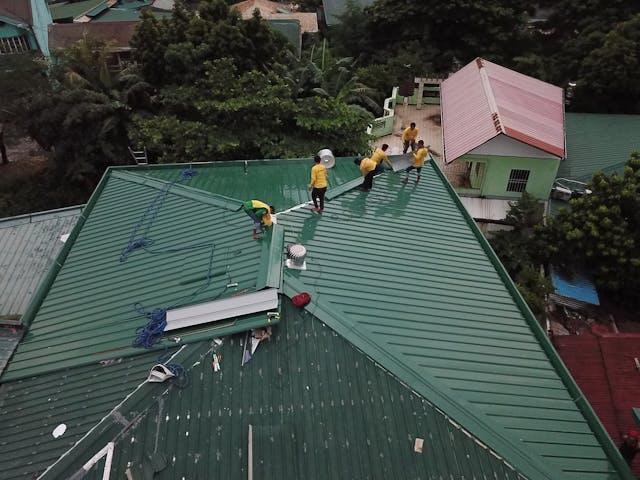
Silicone Roof Coating Brooklyn: When Restoring a Flat Roof Beats Replacing It
A silicone roof coating is a fluid-applied membrane that cures into one seamless, waterproof layer over an existing flat roof. It stops leaks, shrugs off ponding water, and can add 10 to 15 years of service life without a tear-off. For flat-roofed buildings across Bay Ridge, Sunset Park, and Downtown Brooklyn, that matters. Replacement is costly and disruptive, and it is often unnecessary when the deck underneath is still sound. The silicone roof coating Brooklyn owners choose most is a high-solids system applied over modified bitumen, EPDM, or aged metal. This guide explains how the process works, what it costs next to replacement, and when a coating is the wrong call. By the end, you will know whether your roof is a real candidate.
What Is a Silicone Roof Coating and How Does It Work?
A silicone roof coating is a thick liquid, rolled or sprayed across a cleaned and repaired roof surface. Once cured, it forms a single rubber-like membrane with no seams, laps, or fasteners. Seams are where most flat roofs fail, so removing them removes the most common leak path.
Silicone is also naturally resistant to standing water. Acrylic coatings can soften and wash out in ponding areas over time. Silicone does not, which is why it suits older Brooklyn roofs with slow drainage. Most systems go on in two coats, with reinforcement fabric at seams, drains, and penetrations.
The finished surface is bright white and reflective. That lowers rooftop temperatures in summer and eases the load on cooling equipment. Reputable commercial roof coating services will also run an adhesion test before quoting, because bonding is everything with this system.
Which Brooklyn Roofs Are Good Candidates for Restoration?
The honest answer: roofs that are aging but not failing. A coating restores a tired surface. It cannot rescue a roof with widespread wet insulation or a rotted deck.
Good candidates usually share a few traits:
- The membrane is 10 to 20 years old, with leaks limited to seams, flashings, or penetrations
- A moisture scan shows the insulation is dry across most of the field
- The deck is structurally sound, with no soft or spongy areas underfoot
- Drainage mostly works, even if a few ponding spots linger
Flat roof restoration works on modified bitumen, EPDM, TPO, metal, and smooth built-up roofs. Gravel-surfaced roofs need heavy prep or get ruled out entirely. An infrared scan and a few core samples settle the question before anyone should quote a price.
Silicone Roof Coating Brooklyn Costs: How Does It Compare to Replacement?
A silicone restoration typically runs a third to half the cost of a full tear-off and replacement. Exact pricing depends on roof size, repair needs, coating thickness, and rooftop access. There is a second saving many owners miss. A coating is usually treated as maintenance rather than a capital expense, which can change how the cost lands at tax time. Confirm that detail with your accountant.
| Factor | Silicone Coating | Acrylic Coating | Full Replacement |
|---|---|---|---|
| Tear-off required | No | No | Yes |
| Handles ponding water | Yes | Poorly | Depends on new design |
| Time on a mid-size roof | Days to 2 weeks | Days to 2 weeks | 2 to 6 weeks |
| Typical added service life | 10 to 15 years, renewable | 5 to 10 years | 20 to 30 years |
| Disruption to tenants | Minimal | Minimal | Significant |
| Relative upfront cost | $ | $ | $$$ |
| Best fit | Sound roofs with ponding | Sloped, dry roofs | Saturated or failed roofs |
Replacement still wins in one situation: a roof that has already failed. Coating over trapped moisture seals the problem in and wastes every dollar spent.
Silicone Roof Coating Brooklyn Projects: What Does the Process Involve?
A proper job follows a set order. Skipping steps is how coatings earn a bad name.
- Inspection and moisture survey. Infrared scanning or core cuts confirm the insulation is dry.
- Repairs first. Wet sections are cut out and rebuilt, seams re-secured, flashings corrected.
- Power washing. Silicone needs a clean surface to bond.
- Adhesion test. A small test patch confirms the coating grips the existing membrane.
- Detail work. Reinforcement goes down at drains, curbs, pipes, and every seam.
- Coating application. Two coats to the specified thickness, verified with a wet mil gauge.
On a typical Brooklyn commercial roof, the crew is on site for days, not weeks. There are no dumpsters, no exposed deck, and no tenants relocated. Weather matters, though. Warm, dry conditions make late spring through early fall the ideal window in New York.
When Is a Coating the Wrong Choice?
A common industry rule of thumb: once wet insulation passes roughly 25 percent of the roof area, replacement usually beats restoration. Other disqualifiers include a deteriorated deck, active structural movement, and a membrane in full-field failure.
There are surface trade-offs too. Cured silicone gets slippery when wet, so walk pads matter on roofs with regular foot traffic. And once a roof wears silicone, every future recoat must also be silicone. Nothing else bonds to it.
Here is the simplest quality test. A roof coating contractor Brooklyn owners can trust will tell you plainly when your roof does not qualify. If nobody has proposed a moisture scan before quoting, keep shopping.
Field Notes: A Bay Ridge Co-op That Skipped the Tear-Off
Last season my crew at N.V. & Roman Commercial Roofing Brooklyn looked at a co-op building near Shore Road. The modified bitumen roof was 18 years old, with ponding near two drains and recurring leaks over the top-floor units. Two earlier bids had called for full replacement.
Our infrared scan told a different story. The insulation was dry across roughly 90 percent of the field. We cut out and rebuilt the wet sections, reinforced every seam and drain, then applied a high-solids silicone system across the whole roof.
The crew finished in under two weeks. No dumpsters on the street, no tenants displaced, and the board spent well under half of the replacement quotes. Not every roof gets that outcome. But the buildings that qualify save serious money, and the only way to know is to test before you tear off.
Frequently Asked Questions
How long does a silicone roof coating last? Most high-solids silicone systems deliver 10 to 15 years before a recoat, and manufacturer warranties commonly run 10 to 20 years. A future recoat extends the cycle again, often without another full prep. That renewable quality is the biggest long-term advantage over replacement.
Can you coat over an old modified bitumen or EPDM roof? Yes, when the existing membrane is dry, well adhered, and structurally sound. EPDM needs a thorough rinse to remove surface chalking, and an adhesion test is standard before full application. If the moisture survey shows widespread saturation, coating comes off the table.
Does silicone stop leaks caused by ponding water? Silicone tolerates ponding water better than any other common roof coating, so it seals those chronic low spots. A good contractor still improves drainage where possible, because standing water adds weight to the structure. Sealing the leak and easing the ponding together is the durable fix.
Is flat roof restoration worth it for Brooklyn buildings facing Local Law 97? A reflective white silicone surface lowers summer cooling demand, which supports the energy targets behind Local Law 97. A coating alone does not make a building compliant. It is one practical upgrade that helps, at a cost far below full replacement.
The Bottom Line for Brooklyn Flat Roofs
Replacement is sometimes necessary. It is also oversold. When the deck is sound and the insulation is dry, the silicone roof coating Brooklyn buildings rely on delivers a watertight, warrantied surface for a fraction of the cost.
Start with facts, not quotes. Get a moisture survey, review the results, and compare restoration against replacement on equal terms. If you want a straight answer on whether your roof qualifies, schedule an assessment through our flat roof coating and restoration services in Brooklyn. One inspection now can save you a tear-off later.
- Managerial Effectiveness!
- Future and Predictions
- Motivatinal / Inspiring
- Fitness and Wellness
- Medical & Health
- Manufacturing
- Education
- Real-Estate
- Food Industry
- Hospitality
- Online Games
- Sports
- Home Services
- Civil Engineering
- Safety and Protection
- Software Products & Services
- Fashion and Jewellery
- Artificial Intelligence
- Entrepreneurship
- Mentoring & Guidance
- Marketing
- Networking
- HR & Recruiting
- Literature
- Shopping
- Career Management & Advancement