

 SkillClick
DevOps Services vs Traditional IT Operations: What’s the Difference?
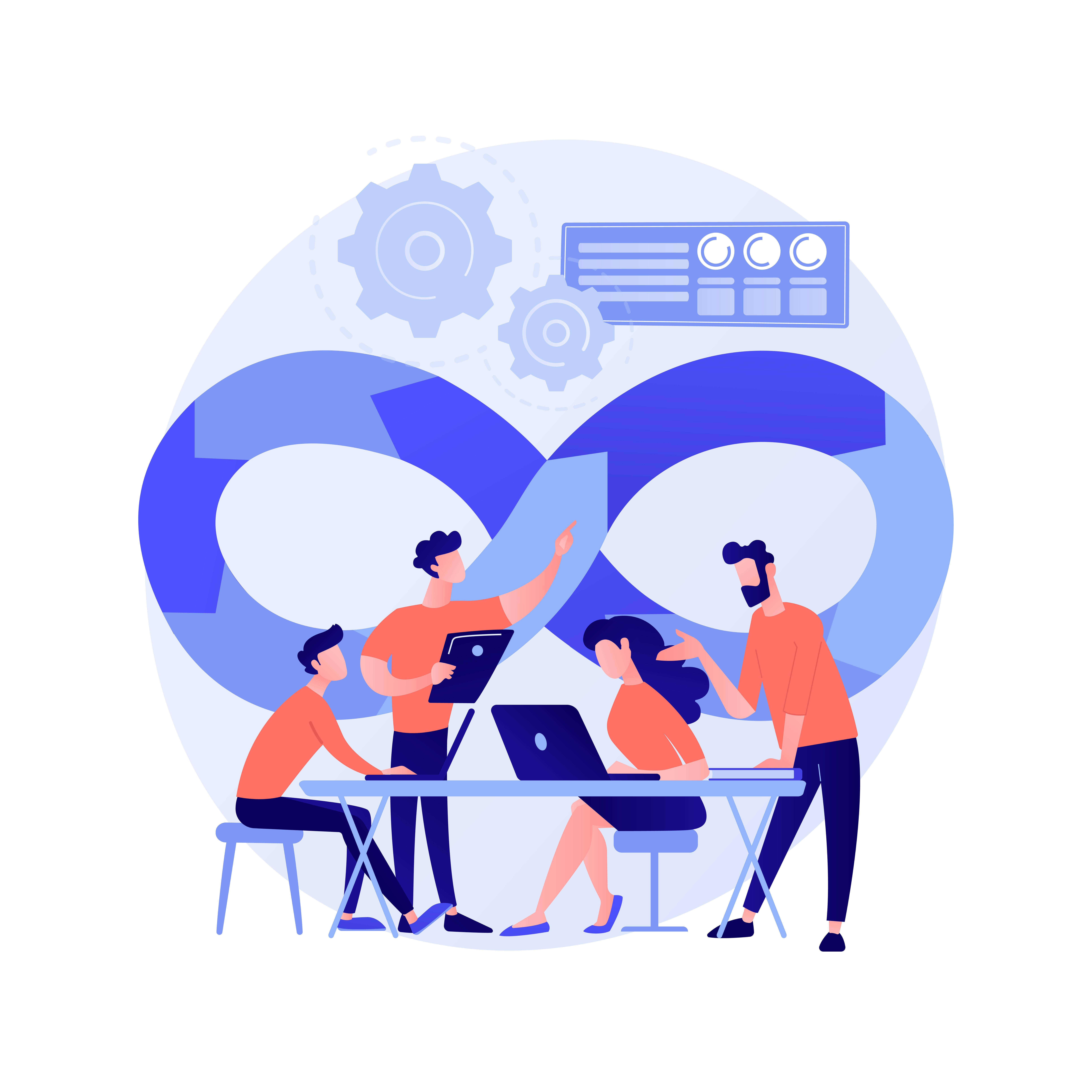
In the fast-paced digital landscape, the way technology teams are structured and operate has a direct impact on business success. For decades, traditional IT operations provided a stable, predictable foundation for enterprises. However, the demand for greater speed and agility has led to the rise of a new paradigm. This article explores the fundamental differences between traditional IT operations and modern DevOps services, highlighting how this shift is redefining software development and delivery.
Understanding Traditional IT Operations
Historically, IT departments have operated in distinct silos. The development team was responsible for writing code and creating new features, while a separate operations team handled deployment, management, and maintenance of the infrastructure. This separation of duties was intentional, designed to create a system of checks and balances focused on minimising risk and ensuring stability.
This model typically followed a Waterfall methodology, a linear and sequential approach to software development. Each phase—from requirements and design to testing and deployment—had to be fully completed before the next could begin.
Key characteristics of this traditional approach include:
· Siloed Teams: Developers and operations personnel had different goals, skill sets, and management structures, often leading to friction and communication breakdowns.
· Infrequent Releases: The rigid, lengthy process meant that major software releases might only occur a few times a year.
· Manual Processes: Deployments, configuration, and testing were often labour-intensive manual tasks, increasing the potential for human error.
· Risk Aversion: The primary goal was to protect the stability of the production environment, which often meant resisting change and slowing down innovation.
The Emergence of DevOps Services
DevOps is not simply a tool or a new team; it is a cultural philosophy that combines practices and tools to increase an organisation's ability to deliver applications and services at high velocity. The core objective is to break down the barriers between development (Dev) and operations (Ops), fostering a culture of collaboration and shared responsibility.
This approach is facilitated by DevOps services and solutions that emphasise automation and continuous feedback throughout the entire development lifecycle. Instead of a linear process, DevOps embraces an iterative cycle of planning, coding, building, testing, releasing, deploying, operating, and monitoring. This continuous loop allows for rapid innovation and a much faster response to market demands.
Key Differences: A Direct Comparison
The contrast between the two models becomes clear when examining their core components side-by-side. The transition from traditional IT involves a fundamental rethink of how teams work together to deliver value.
Culture and Team Structure
In a traditional setup, teams operate with a ""throw it over the wall"" mentality. Developers finish their code and pass it to the operations team for deployment, with little shared context or ownership. DevOps promotes the creation of a single, cross-functional team where developers and operations engineers work together throughout the entire product lifecycle, from inception to retirement.
Speed and Frequency of Delivery
The Waterfall model of traditional IT results in long, slow release cycles. In contrast, DevOps services leverage agile practices and automation to enable frequent, smaller releases. This could mean deploying changes weekly, daily, or even multiple times a day. This speed provides a significant competitive advantage, allowing businesses to test ideas and deliver value to customers much faster. This agility is particularly crucial when it comes to DevOps services for startups, where speed to market is paramount.
Automation and Tooling
Traditional IT operations often rely on manual processes for everything from server provisioning to code deployment. This is not only slow but also prone to inconsistencies and errors. A cornerstone of the DevOps movement is automation at every stage. Continuous Integration/Continuous Delivery (CI/CD) pipelines automate the build, test, and deployment processes, ensuring code is always in a deployable state. This reliance on automation is a key feature of modern DevOps development services.
Approach to Failure and Risk
Traditional IT aims to prevent failure at all costs, which can stifle innovation. DevOps accepts that failures will happen and instead focuses on minimising their impact and ensuring rapid recovery. By making small, frequent changes, the risk associated with each release is significantly reduced. Automated monitoring and feedback loops allow teams to detect and resolve issues quickly, often before customers are even aware of a problem.
The Evolving Landscape of IT
The shift towards DevOps is not a passing trend but a necessary evolution in response to digital transformation. As businesses modernise their operations, the demand for specialised skills continues to grow, with companies providing DevOps development services in USA and across the globe seeing increased interest. Furthermore, the industry is already looking ahead, exploring how technologies like AI in DevOps and developer workflow can further enhance automation, predict issues, and optimise performance. For organisations seeking a competitive edge, understanding these modern practices is essential, and many companies offering DevOps services US based or otherwise, are at the forefront of this evolution.
Conclusion
The distinction between DevOps and traditional IT operations represents a fundamental shift in mindset, culture, and process. While traditional IT prioritises stability through separation and control, DevOps achieves both speed and stability through collaboration, automation, and shared accountability. It moves technology from being a siloed cost centre to an integrated driver of business value, enabling organisations to innovate faster, improve quality, and respond more effectively to the needs of their customers.
To learn more about how a modern approach to IT operations can transform your organisation's development and delivery processes, explore the resources available at Openspace Services. They have a team of experts who are well-versed in working with both Indian and international clients. Their services include mobile app development, website development, WordPress, Strapi, and more. Visit Openspace Services to learn more about their services.
- Managerial Effectiveness!
- Future and Predictions
- Motivatinal / Inspiring
- Fitness and Wellness
- Medical & Health
- Manufacturing
- Education
- Real-Estate
- Food Industry
- Hospitality
- Online Games
- Sports
- Home Services
- Civil Engineering
- Safety and Protection
- Software Products & Services
- Fashion and Jewellery
- Artificial Intelligence
- Entrepreneurship
- Mentoring & Guidance
- Marketing
- Networking
- HR & Recruiting
- Literature
- Shopping
- Career Management & Advancement