

 SkillClick
Common Myths About Pickles and Health
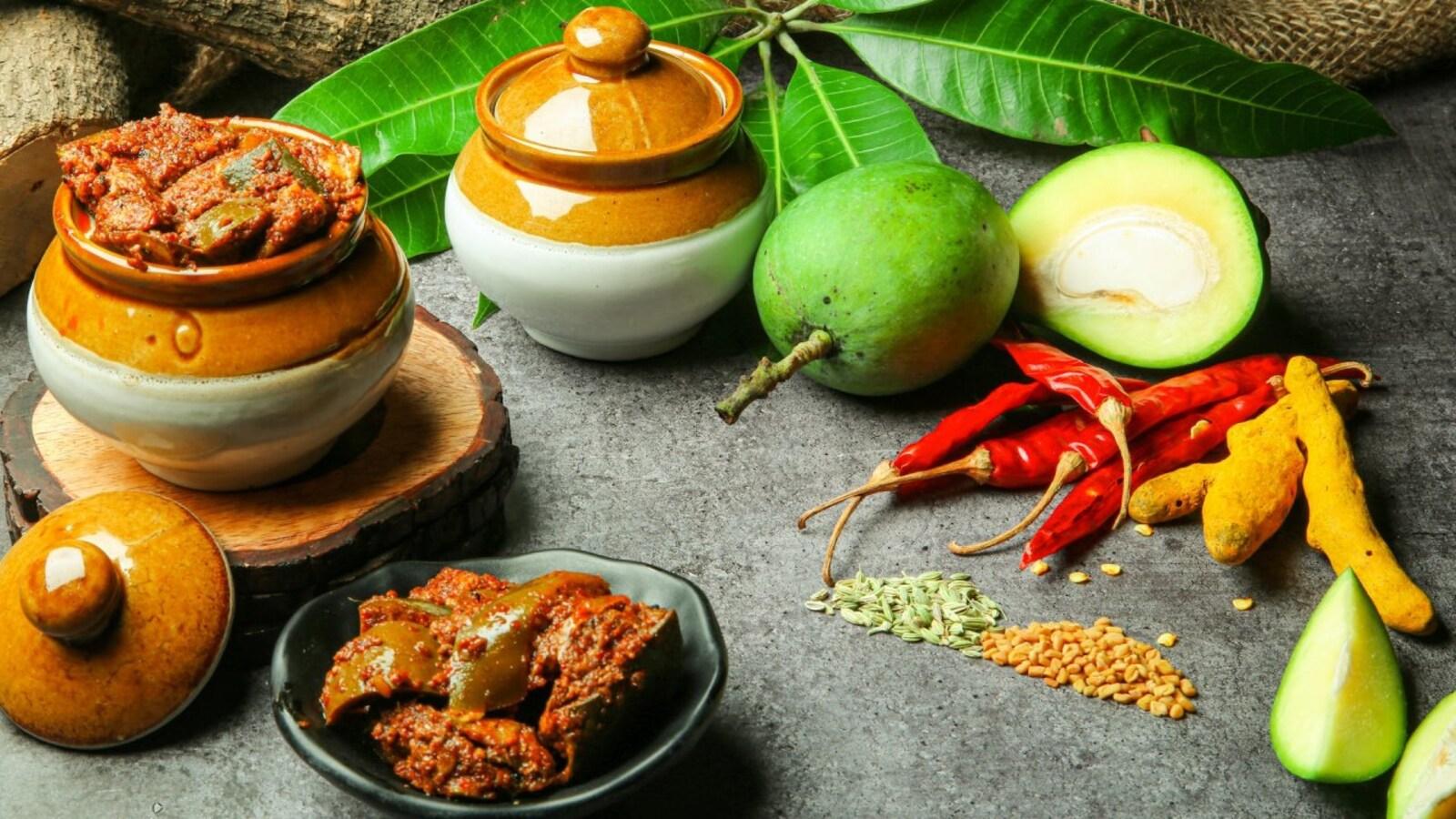
Pickles have always been a favourite part of Indian meals, but many people still feel confused about whether they are healthy or not. When we talk about mango pickle benefits, it is important to understand that traditional pickles are not just about strong taste; they are also connected with Indian food culture, natural ingredients, digestion support, and mindful eating. However, like many traditional foods, pickles are surrounded by several myths that often make people unsure about including them in their diet.
Why Pickles Are Often Misunderstood
Indian pickles are made using ingredients like raw mango, lemon, chilli, garlic, ginger, mustard seeds, fenugreek, turmeric, salt, and oil. These ingredients are combined through traditional methods to create a flavourful side dish that can last for months when stored properly.
The problem is that many people only focus on the salt and oil used in pickles. While it is true that pickles should be eaten in moderation, it is not correct to say that all pickles are unhealthy. Traditional Indian pickles, when prepared carefully and consumed in small portions, can add taste, variety, and digestive value to everyday meals.
Myth 1: Pickles Are Always Bad for Health
One of the most common myths is that pickles are always bad for health. This is not completely true. Pickles can be part of a balanced diet if eaten in the right quantity. The key is moderation.
A small spoonful of pickle with dal, rice, roti, paratha, or curd rice can improve the taste of the meal without becoming harmful. Traditional pickles contain spices that have been used in Indian kitchens for generations. Ingredients like turmeric, mustard, fenugreek, and chilli are not just added for taste; they also contribute to the overall flavour and traditional value of the pickle.
So, instead of avoiding pickles completely, it is better to enjoy them wisely.
Myth 2: Mango Pickle Has No Benefits
Many people think mango pickle is only spicy and oily, with no real value. This is another common misunderstanding. Raw mango is the main ingredient in mango pickle, and it is combined with spices and oil to create a rich traditional preparation.
The real mango pickle benefits come from the combination of raw mango, spices, and traditional preservation methods. Mango pickle can help make simple meals more appetising. It can also support appetite because of its tangy, spicy, and bold flavour.
For people who find plain meals boring, a small amount of mango pickle can make food more enjoyable. This is especially useful in Indian diets where meals often include rice, dal, curd, roti, or khichdi.
Myth 3: Pickles Should Never Be Eaten Daily
Some people believe pickles should not be eaten regularly. The truth depends on the quantity and the person’s health condition. Eating too much pickle every day is not advisable because pickles may contain salt and oil. However, eating a small portion with meals may be fine for many people.
The question many people ask is, is mango pickle good for health? The answer is that mango pickle can be enjoyed as part of a balanced diet when consumed in moderation. It should be treated as a side dish, not the main part of the meal.
People with high blood pressure, kidney issues, or salt restrictions should be extra careful and should follow medical advice. For others, a small serving can be a flavourful addition to daily food.
Myth 4: All Pickles Are the Same
Not all pickles are the same. There is a big difference between traditional homemade-style pickles and low-quality pickles made without care. The ingredients, preparation method, hygiene, oil quality, spice balance, and storage all affect the final product.
A well-made mango pickle has balanced flavours. It should not taste only salty or oily. It should have the right mix of tanginess, spice, aroma, and texture. Traditional pickles are often prepared with patience and proper seasoning, which helps bring out their real taste.
Chacha’s Pickles focuses on traditional Indian flavours, where pickles are made to bring authentic taste to everyday meals.
Myth 5: Pickles Only Add Taste, Nothing Else
It is true that pickles are mainly loved for their taste, but that does not mean they have no role in meals. Pickles can help improve appetite and make simple food more satisfying. Their strong flavour can also encourage better meal enjoyment.
For example, many people prefer eating mango pickle with dal rice, paratha, poori, or curd rice. The tangy and spicy flavour balances the plainness of these foods. This is one of the practical mango pickle benefits that Indian households have enjoyed for years.
Pickles also help reduce the need for preparing extra side dishes every day. Just a small spoonful can bring variety to the plate.
Myth 6: Oil in Pickles Is Always Harmful
Oil is commonly used in Indian pickles because it helps preserve the ingredients and carry the flavour of spices. The issue is not oil itself, but the amount consumed. Since pickles are eaten in small quantities, the oil intake from one serving is usually limited.
However, moderation is still important. Pickles should not be eaten in large amounts. They are meant to enhance the meal, not replace vegetables, dal, curd, or other important foods.
If you enjoy pickles responsibly, the oil used in them does not automatically make them harmful.
Myth 7: Pickles Are Not Suitable for Modern Diets
Many people think traditional pickles do not fit into modern lifestyles. In reality, pickles are very convenient for today’s busy routines. Students, working professionals, and people living away from home often keep pickles because they are easy to store and use.
A spoonful of mango pickle can make quick meals taste better. Whether you are eating homemade food, packed lunch, or a simple dinner, pickle adds instant flavour.
This is why traditional pickles continue to remain popular even in modern kitchens. They offer both convenience and the comfort of familiar Indian taste.
Myth 8: Mango Pickle Cannot Be Part of a Balanced Diet
Another myth is that mango pickle has no place in a balanced diet. The truth is that balance depends on portion size. A balanced meal includes grains, proteins, vegetables, healthy fats, and sometimes a small side dish for taste.
Mango pickle can fit into this meal as a small flavour enhancer. The important thing is not to overeat it. A small spoonful is usually enough to enjoy the taste.
So, when someone asks, is mango pickle good for health, the answer should not be a simple yes or no. It depends on how it is made, how much is eaten, and the person’s overall diet.
How to Eat Pickles in a Healthier Way
To enjoy pickles without worry, follow a few simple habits. Eat them in small portions. Use a clean and dry spoon every time. Store the jar properly in a cool and dry place. Avoid adding moisture to the jar because it can affect freshness.
Pair pickles with balanced meals instead of eating them alone. For example, enjoy mango pickle with dal rice, roti sabzi, curd rice, or khichdi. This way, the pickle adds flavour while the main meal provides nutrition.
Conclusion
Pickles are often surrounded by myths, but the truth is more balanced. They are not something to fear, and they are not something to overeat either. Traditional Indian pickles can be enjoyed as part of everyday meals when consumed in moderation.
The real mango pickle benefits include improved meal taste, appetite support, traditional spice value, and the comfort of authentic Indian flavour. At the same time, it is important to control portion size because pickles may contain salt and oil.
So, is mango pickle good for health? It can be a good addition to your meals when eaten wisely and in small amounts. Chacha’s Pickles brings traditional Indian taste to your plate, helping you enjoy pickles the way they are meant to be enjoyed: as a flavourful, balanced, and satisfying part of your meal.
FAQs
1. Is mango pickle good for health?
Is mango pickle good for health depends on how much you eat and your overall diet. In small portions, mango pickle can add flavour, support appetite, and make meals more enjoyable. However, people with salt restrictions should be careful.
2. What are the main mango pickle benefits?
The main mango pickle benefits include better meal taste, appetite support, and the traditional value of spices like mustard, turmeric, fenugreek, and chilli. It is best enjoyed in moderation.
3. Can I eat mango pickle every day?
You can eat mango pickle in small amounts if it suits your diet and health condition. A small spoonful with meals is usually enough. Avoid overeating because pickles may contain salt and oil.
4. Are traditional Indian pickles better than regular packaged pickles?
Traditional Indian pickles often focus on authentic recipes, balanced spices, and familiar homemade-style flavours. The quality depends on ingredients, hygiene, preparation method, and storage.
- Managerial Effectiveness!
- Future and Predictions
- Motivatinal / Inspiring
- Fitness and Wellness
- Medical & Health
- Manufacturing
- Εκπαίδευση
- Real-Estate
- Food Industry
- Hospitality
- Online Games
- Sports
- Home Services
- Civil Engineering
- Safety and Protection
- Software Products & Services
- Fashion and Jewellery
- Artificial Intelligence
- Entrepreneurship
- Mentoring & Guidance
- Marketing
- Networking
- HR & Recruiting
- Literature
- Shopping
- Career Management & Advancement