

 SkillClick
Dandruff vs Dry Scalp: Understanding the Real Difference and What It Means for Your Hair
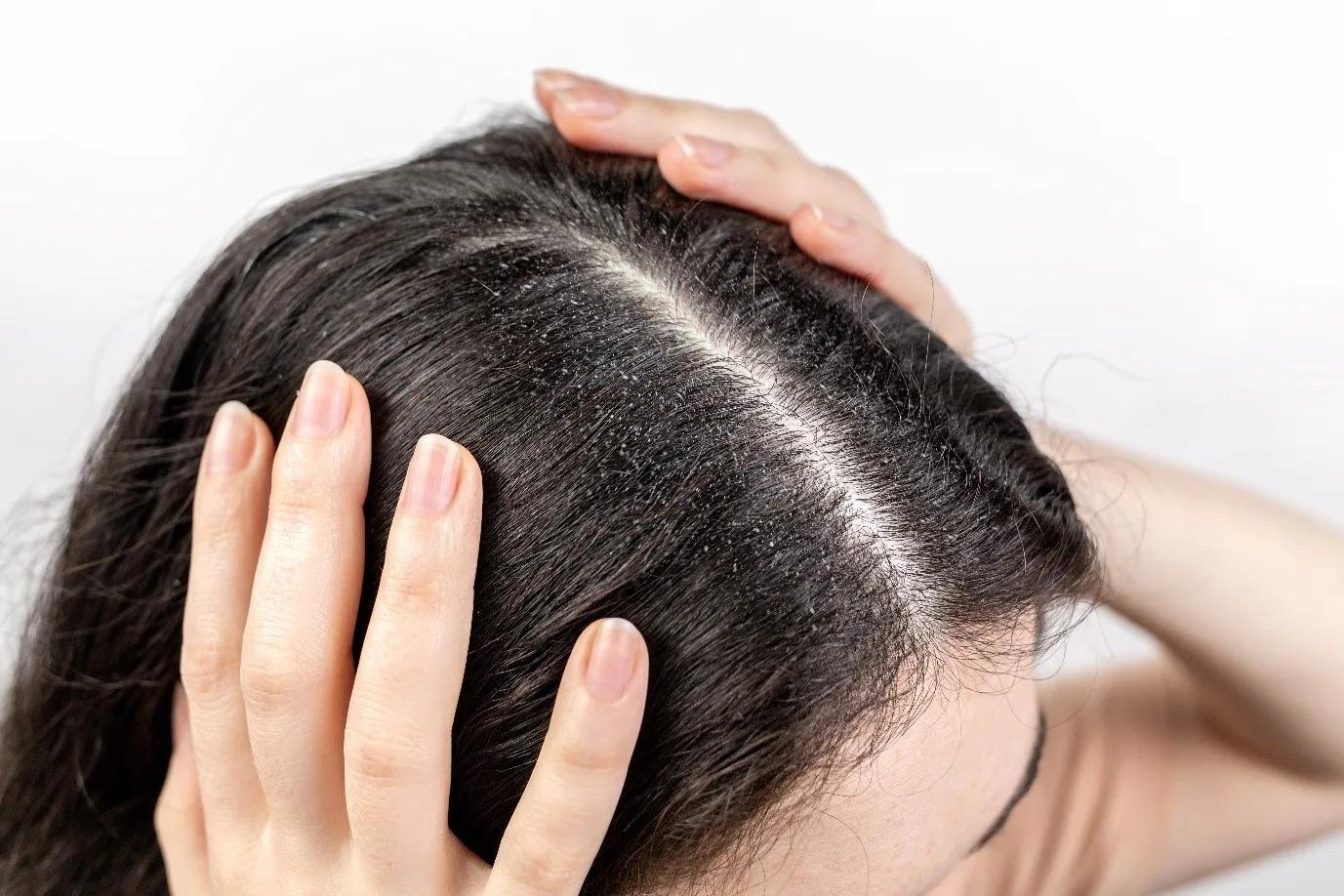
Most people assume every white flake on the scalp is dandruff. That assumption is exactly why so many people spend months using the wrong products and making their scalp problems worse instead of better. The truth is that dandruff and dry scalp are not the same condition, even though they can look surprisingly similar at first glance.
Understanding the difference between dandruff and dry scalp matters because each condition has a completely different cause, behaves differently, and requires a separate treatment approach. Using harsh anti-dandruff products on a dry scalp can increase irritation and flaking. On the other hand, applying heavy moisturizing oils to dandruff-prone skin may worsen the buildup and inflammation.
If you have ever stood in front of the mirror wondering why your scalp keeps flaking despite trying every shampoo available, you are not alone. Millions of people struggle to identify whether they are dealing with dandruff or dryness. Once you understand what is actually happening on your scalp, finding the right solution becomes far easier.
Why People Confuse Dandruff and Dry Scalp
At a glance, both conditions appear nearly identical. You notice flakes on your shoulders, itching on your scalp, and discomfort throughout the day. But beneath the surface, the scalp environment is completely different.
A dry scalp happens when the skin lacks enough moisture. The scalp barrier becomes weak and irritated, causing tiny dry flakes to shed from the skin surface. This is similar to how dry skin behaves elsewhere on the body during winter or dehydration.
Dandruff, however, is usually linked to excess oil production and an overgrowth of a yeast-like fungus called Malassezia. This microorganism naturally exists on the scalp, but in some people it grows excessively and triggers inflammation, irritation, and faster skin cell turnover.
This is why understanding dandruff vs dry scalp is essential before choosing treatments.
What Dry Scalp Actually Looks Like
A dry scalp usually produces smaller, lighter flakes that fall easily from the scalp. The skin often feels tight, sensitive, or rough. Many people notice the problem worsening during colder weather, after hot showers, or when using harsh shampoos.
Common signs of dry scalp include:
-
Small white flakes
-
Tight or itchy scalp
-
Rough or irritated skin
-
Increased dryness after shampooing
-
Seasonal worsening during winter
-
Scalp sensitivity
People with naturally dry skin are more likely to develop scalp dryness as well. Environmental conditions such as air conditioning, pollution, dehydration, and excessive heat styling can all contribute.
Overwashing is another major cause. Many individuals wash their hair too frequently with strong cleansers, stripping the scalp of its natural oils and damaging the moisture barrier.
What Dandruff Really Looks Like
Dandruff behaves differently. The flakes are usually larger, oilier, and sometimes yellowish rather than pure white. The scalp may appear red, inflamed, or greasy. Unlike dry scalp, dandruff often persists regardless of weather changes.
Signs commonly associated with dandruff include:
-
Larger oily flakes
-
Persistent itching
-
Greasy scalp appearance
-
Redness or inflammation
-
Flakes sticking to hair strands
-
Worsening with stress or hormonal changes
Because dandruff is linked to scalp oil and fungal activity, moisturizing alone rarely solves the issue. In fact, heavy oils can sometimes feed the scalp imbalance and worsen symptoms.
This confusion is why conversations around the difference between dandruff and dry scalp have become increasingly important in modern hair care.
The Role of the Scalp Microbiome
One of the biggest developments in scalp science over recent years is the understanding of the scalp microbiome. Your scalp is home to bacteria, fungi, and microorganisms that exist in a delicate balance.
When this balance is disrupted, problems begin.
With dandruff, Malassezia yeast feeds on scalp oils and creates byproducts that irritate sensitive skin. This irritation speeds up skin cell turnover, leading to visible flakes.
Dry scalp, however, is usually connected to a compromised skin barrier rather than microbial imbalance. The skin simply cannot hold enough moisture.
This distinction explains why the same shampoo may help one person while making another person’s symptoms dramatically worse.
Can Either Condition Cause Hair Loss?
One of the most common fears people have is whether scalp flaking leads to hair fall. While dandruff and dry scalp do not directly destroy hair follicles in most cases, they can contribute indirectly to shedding.
Persistent itching causes scratching, which creates inflammation and physical stress on the scalp. Chronic inflammation weakens the scalp environment needed for healthy hair growth.
In dandruff cases especially, severe inflammation may disrupt the hair cycle temporarily, leading to increased shedding. This does not usually cause permanent baldness, but ongoing scalp neglect can affect hair density over time.
This is why identifying dandruff vs dry scalp early is not just about appearance. It is also important for maintaining long-term scalp health.
Common Mistakes People Make
Many scalp problems worsen because of incorrect treatment habits. Some of the most common mistakes include:
Using Anti-Dandruff Shampoo for Every Flake
Not all flakes are dandruff. Using medicated shampoos unnecessarily can strip moisture from the scalp and worsen dryness.
Applying Heavy Oils on Dandruff
Oil treatments are often recommended culturally for scalp care, but oily dandruff conditions may become worse when excess oil feeds fungal overgrowth.
Washing Hair Too Frequently
Over-cleansing damages the scalp barrier and can trigger dryness or irritation.
Ignoring Persistent Symptoms
People often self-diagnose for months instead of addressing the root problem. Severe scalp inflammation sometimes requires professional attention.
How to Treat Dry Scalp Properly
Dry scalp treatment focuses on restoring moisture and repairing the skin barrier.
Helpful approaches include:
-
Switching to gentle sulfate-free shampoos
-
Reducing washing frequency
-
Avoiding excessively hot water
-
Using hydrating scalp serums
-
Staying hydrated
-
Limiting heat styling
-
Choosing mild, fragrance-free hair products
Ingredients like hyaluronic acid, aloe vera, glycerin, and ceramides may support scalp hydration.
Lifestyle also matters. Poor sleep, stress, and dehydration can worsen scalp dryness significantly.
How to Treat Dandruff Effectively
Dandruff treatment focuses on controlling fungal activity and reducing inflammation.
Common anti-dandruff ingredients include:
-
Ketoconazole
-
Zinc pyrithione
-
Selenium sulfide
-
Salicylic acid
-
Coal tar
Consistency is key. Many people stop treatment too early once flakes improve, allowing dandruff to return quickly.
Stress management also plays an important role because dandruff commonly worsens during periods of emotional stress, hormonal fluctuation, or poor sleep quality.
Understanding the difference between dandruff and dry scalp helps people avoid wasting money on products that are completely wrong for their actual condition.
Seasonal Changes and Scalp Health
Weather affects scalp behavior more than many people realize.
Winter often worsens dry scalp because cold air contains less humidity, while indoor heating further strips moisture from the skin.
Dandruff, however, may fluctuate year-round depending on oil production, sweating, stress, and hygiene habits.
Monsoon seasons can also aggravate dandruff because humid environments encourage fungal growth on oily scalps.
This seasonal variation is another clue when identifying whether you are dealing with dryness or dandruff.
Diet and Nutrition Matter Too
Scalp health is closely connected to overall health. Nutritional deficiencies can weaken the scalp barrier and increase irritation.
Low intake of certain nutrients may contribute to scalp imbalance, including:
-
Zinc
-
Omega-3 fatty acids
-
Vitamin D
-
Biotin
-
Iron
Hydration also affects scalp condition directly. Dehydrated skin loses flexibility and becomes more prone to irritation and flaking.
While nutrition alone does not cure dandruff or dry scalp, it strongly supports overall scalp recovery and maintenance.
When You Should See a Dermatologist
Sometimes scalp flaking is not dandruff or dryness at all. Conditions such as psoriasis, eczema, seborrheic dermatitis, and fungal infections may appear similar.
You should consider professional evaluation if you experience:
-
Severe redness
-
Painful scalp irritation
-
Bleeding
-
Thick crusting
-
Sudden hair loss
-
Persistent symptoms despite treatment
A dermatologist can properly diagnose the condition and recommend targeted treatment instead of trial-and-error experimentation.
Choosing the Right Hair Care Routine
Healthy scalp care is usually simpler than aggressive product marketing suggests.
A balanced routine includes:
-
Gentle cleansing
-
Proper hydration
-
Avoiding excessive product buildup
-
Protecting the scalp from irritation
-
Managing stress levels
-
Maintaining consistent hygiene
The goal is not to eliminate all scalp oil completely. Your scalp needs natural oils for protection and balance. Problems occur when that balance becomes disrupted in either direction.
This is why discussions around dandruff vs dry scalp continue growing in importance as consumers become more aware of scalp biology rather than blindly following trends.
Final Thoughts
Scalp flakes may seem like a small cosmetic issue, but they often reveal deeper imbalances in scalp health. The biggest mistake people make is assuming every flaky scalp condition is dandruff.
A dry scalp lacks moisture. Dandruff usually involves excess oil, inflammation, and fungal imbalance. While the symptoms overlap visually, the underlying causes are entirely different.
Understanding the difference between dandruff and dry scalp allows you to choose the right treatment, avoid worsening the condition, and support healthier hair long-term.
The good news is that both conditions are manageable once correctly identified. Instead of chasing endless products or internet hacks, focus on understanding your scalp’s actual needs. In most cases, proper scalp care, consistent routines, and targeted treatment make a significant difference over time.
Healthy hair starts with a healthy scalp, and recognizing whether you are dealing with dandruff or dryness is the first step toward solving the problem properly.
- Managerial Effectiveness!
- Future and Predictions
- Motivatinal / Inspiring
- Fitness and Wellness
- Medical & Health
- Manufacturing
- Education
- Real-Estate
- Food Industry
- Hospitality
- Online Games
- Sports
- Home Services
- Civil Engineering
- Safety and Protection
- Software Products & Services
- Fashion and Jewellery
- Artificial Intelligence
- Entrepreneurship
- Mentoring & Guidance
- Marketing
- Networking
- HR & Recruiting
- Literature
- Shopping
- Career Management & Advancement