

 SkillClick
How to Install Stone Coated Roofing Over Existing Longspan Roofs to Save on Dismantling Costs
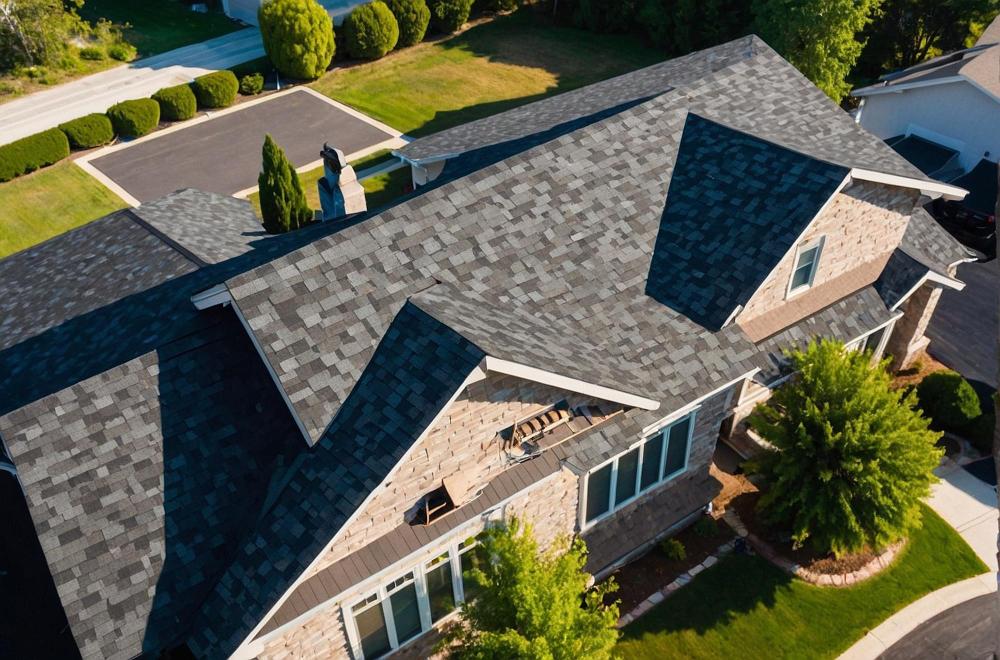
Homeowners frequently look for ways to upgrade old metal roofs without spending too much money. Placing a new layer of Stone Coated Roofing Over an old setup eliminates messy tear-out steps completely. Technicians must check the current corrugated sheets for major structural weak spots first.
The underlying wooden or steel purlins must be dry and free of deep rust damage. Minor surface rust spots require wire brushing and a coat of anti-corrosion primer. The existing metal panels will serve as an extra moisture barrier for the property.
Installing the Timber Counter Battens
Workers place vertical wood strips directly on top of the old high ridges of the longspan profile. These initial timber counter battens run from the top ridge cap down to the gutter line. The installation team fastens them securely using long galvanized self-drilling screws into the structural purlins.
This step creates a crucial ventilation gap between the old metal and new tiles. Air flows freely through this narrow space to prevent heat buildup inside the ceiling area. This airflow also stops condensation from collecting and causing rot underneath the new roof layer.
Laying Down the Horizontal Tile Battens
Horizontal wood batten rows run across the vertical strips to create the grid for the panels. Laborers space these wood pieces carefully to match the exact length of the new stone tiles. Accurate spacing prevents gaps that could let rainwater slip through the overlapping interlocking sections.
Workers use a measuring stick to keep the distance perfectly uniform from bottom to top. They nail each horizontal row firmly onto every intersecting vertical wood support point. This grid matrix distributes the physical weight evenly across the entire residential house framing.
Interlocking and Fastening the Stone Coated Tiles
Installation crews begin placing the lightweight stone tiles starting from the bottom gutter row. They interlock each interlocking metal panel piece tightly with the adjacent tiles to block high winds. The workers drive specialized roofing nails horizontally through the front turned-down edge of the sheets.
This side-fixing method keeps nail heads protected from direct exposure to regular tropical downpours. The textured stone layer dampens the sound of heavy raindrops hitting the metallic surface. The process continues row by row upward until the panels reach the very top peak.
Fitting the Ridge Caps and Side Flashings
The final step requires sealing all open edge lines to keep out birds and rainwater. Workers install specialized stone-coated ridge caps over the top apex of the roof structure. They fasten these cap sections into the top batten boards using weather-resistant colored screws.
Side barge flashings seal the exposed outer edges along the gable walls of the building. Technicians apply professional-grade polyurethane sealant along the joint overlaps to stop water leaks completely. These final trim pieces give the completed residential structure a clean and uniform look.
Key Takeaway
Retrofitting premium tiles directly onto old corrugated metal reduces overall home renovation expenses significantly. Deploying a new layer of Stone Coated Roofing Over old material bypasses expensive labor and waste disposal fees. Success relies on solid batten grid leveling, careful tile interlocking, and proper edge sealing.
- Managerial Effectiveness!
- Future and Predictions
- Motivatinal / Inspiring
- Fitness and Wellness
- Medical & Health
- Manufacturing
- Education
- Real-Estate
- Food Industry
- Hospitality
- Online Games
- Sports
- Home Services
- Civil Engineering
- Safety and Protection
- Software Products & Services
- Fashion and Jewellery
- Artificial Intelligence
- Entrepreneurship
- Mentoring & Guidance
- Marketing
- Networking
- HR & Recruiting
- Literature
- Shopping
- Career Management & Advancement