

 SkillClick
From Casual Wear to Luxury Fashion: Where Viscose Fabric Excels
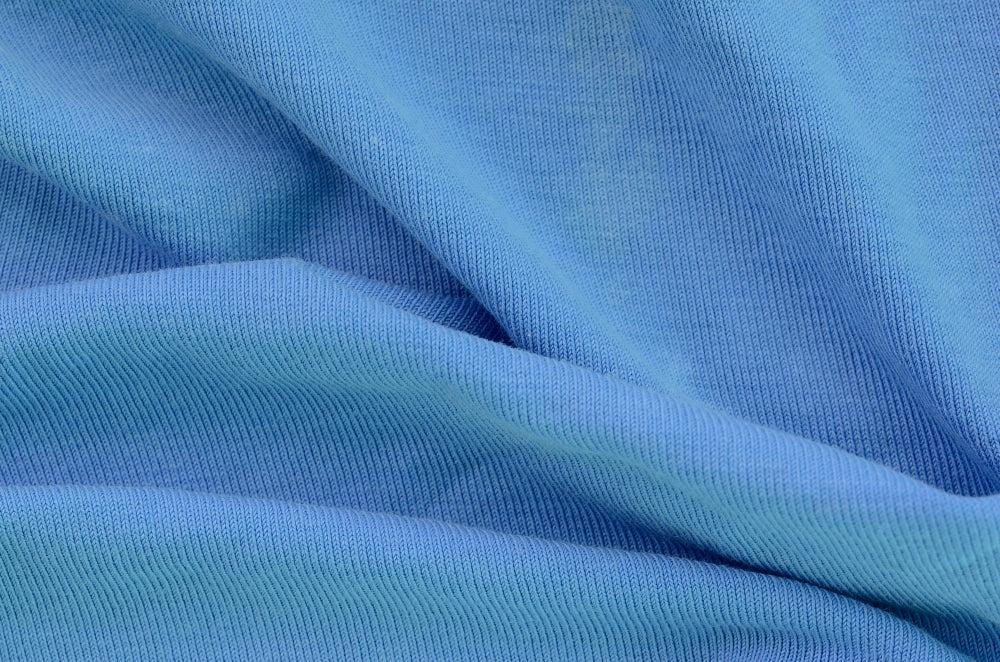
Viscose fabric is a semi-synthetic textile made from wood pulp. It works across casual and luxury fashion because it feels soft like cotton, drapes like silk, and costs less than both. You can buy fabric online from suppliers like Fabriclore Pvt Ltd for everything from everyday t-shirts to high-end evening gowns.
Viscose fabric sits in a unique spot. It bridges the gap between affordable casual clothing and refined luxury garments. Designers reach for it when they want softness, flow, and a silk-like finish without the silk price tag. Shoppers love it because it feels good against the skin and looks polished.
This post breaks down where viscose fabric performs best, how it's made, and how to care for it. You'll also learn where to buy fabric online so you can get quality viscose for your next project.
What is viscose fabric and where does it come from?
Viscose fabric is a regenerated cellulose fiber. Manufacturers make it from wood pulp—usually sourced from trees like beech, pine, and eucalyptus. Because it starts as a natural raw material but goes through chemical processing, viscose is classified as a semi-synthetic fabric.
The result is a textile that mimics the feel of natural fibers. Viscose breathes well, absorbs moisture, and holds dye beautifully. These traits make it a favorite for both mass-market clothing and designer collections.
How does viscose go from wood pulp to your wardrobe?
The path from a tree to a finished garment involves several steps. First, manufacturers harvest wood and break it down into pulp. They treat this pulp with chemicals to create a thick, sticky liquid. This liquid gets forced through small holes called spinnerets, forming fine threads. The threads then harden into fibers, which spinners twist into yarn and weave into fabric.
This process gives viscose its signature qualities: a smooth surface, a slight sheen, and a fluid drape. The same fabric that becomes a casual summer dress can also become a flowing evening gown.
Why does viscose work so well for casual wear?
Viscose fabric earns its place in everyday clothing for a few clear reasons:
-
Comfort: Viscose is soft and lightweight, which makes it ideal for t-shirts, casual dresses, and loungewear.
-
Breathability: The fabric lets air circulate, keeping you cool during warm weather.
-
Moisture absorption: Viscose pulls sweat away from the skin, so it stays comfortable through long days.
-
Color retention: The fabric takes dye well, giving casual pieces bright, lasting color.
-
Affordability: Viscose costs less than silk and many premium fabrics, making stylish clothing accessible.
These traits explain why so many casual brands build entire collections around viscose blends.
Why do luxury designers choose viscose for high-end fashion?
Luxury fashion has a different set of demands—and viscose meets them too. The fabric's natural drape is its biggest selling point. It falls and moves in a way that flatters the body, much like silk.
High-end designers use viscose for:
-
Evening gowns that need fluid movement
-
Blouses and shirts with a soft, refined finish
-
Linings that feel smooth against the skin
-
Statement pieces where sheen and texture matter
Viscose also blends well with other fibers. Designers mix it with silk, cotton, or wool to fine-tune the weight, texture, and finish of a garment. This flexibility lets viscose appear on both the runway and the high street.
How is viscose actually manufactured?
The manufacturing process follows a clear sequence:
-
Pulping: Wood chips are processed into wood pulp.
-
Steeping: The pulp soaks in a chemical solution to break down the cellulose.
-
Spinning the solution: The treated cellulose becomes a liquid known as viscose, which gives the fabric its name.
-
Extrusion: The liquid passes through spinnerets to form filaments.
-
Solidifying: The filaments harden into fibers in an acid bath.
-
Weaving: Spinners turn the fibers into yarn, then weave or knit it into finished fabric.
Each stage affects the final feel and quality of the cloth. Careful manufacturing produces a smoother, stronger fabric that holds up over time.
Is viscose an environmentally friendly fabric?
Viscose comes from renewable wood sources, which gives it an edge over fully synthetic fabrics made from petroleum. But the production process uses chemicals, and poorly managed factories can release harmful waste into the environment.
The good news is that the industry is changing. Many suppliers now use closed-loop systems that recycle chemicals and reduce waste. Responsibly sourced wood and certified production methods make viscose a more sustainable choice.
If sustainability matters to you, look for viscose from suppliers who source wood responsibly and follow clean manufacturing standards. Choose certified eco-friendly viscose if you want lower environmental impact without giving up the soft feel and drape.
How do you care for viscose to make it last?
Viscose is delicate, so a little extra care keeps it looking fresh:
-
Wash gently: Hand wash or use a delicate machine cycle with cold water.
-
Avoid wringing: Twisting the fabric can stretch and damage the fibers. Press out water instead.
-
Dry flat: Lay the garment flat to dry and keep it out of direct sunlight.
-
Iron on low heat: Use a low setting and iron while the fabric is slightly damp.
-
Store carefully: Hang or fold garments loosely to prevent creasing.
Follow these steps and your viscose pieces will stay soft and well-shaped for years.
Where can you buy quality viscose fabric online?
Finding good viscose starts with choosing the right supplier. When you buy fabric online, check for clear product details, fabric weight, composition, and customer reviews. Quality suppliers also offer swatches so you can feel the fabric before you commit to a larger order.
Fabriclore Pvt Ltd is one of the best local and online stores and suppliers for viscose fabric. The company offers customized fabric design, dyeing, and printing at low minimum order quantities, which makes it a strong fit for fashion brands of every size. With a wide range of cellulose, rayon, and viscose options, Fabriclore makes it easy to source quality fabric for casual and luxury projects alike.
The versatility of viscose fabric
Few fabrics move between casual comfort and luxury polish as smoothly as viscose. It delivers softness for everyday wear and drape for high-end fashion, all at a price that suits a wide range of budgets. Add its renewable origins and growing eco-friendly options, and viscose becomes a smart pick for designers and home sewers alike.
Ready to start your next project? Buy fabric online from a trusted supplier like Fabriclore Pvt Ltd and get quality viscose that fits your vision—whether you're making a simple summer top or a statement gown.
Frequently asked questions
What is viscose fabric made from?
Viscose fabric is made from regenerated cellulose, which comes from wood pulp sourced from trees like beech, pine, and eucalyptus. It is classified as a semi-synthetic fabric because it combines a natural raw material with chemical processing.
Is viscose good for both casual and luxury clothing?
Yes. Viscose is soft and breathable, which suits casual wear like t-shirts and dresses. It also has a silk-like drape and sheen, which makes it popular for luxury items like evening gowns and refined blouses.
Is viscose fabric sustainable?
Viscose comes from renewable wood, but its production uses chemicals. It becomes more sustainable when suppliers use closed-loop systems, source wood responsibly, and follow certified clean manufacturing standards.
How should I wash viscose fabric?
Hand wash or use a gentle machine cycle with cold water. Avoid wringing, dry the fabric flat away from direct sunlight, and iron on low heat while it is slightly damp.
Where can I buy viscose fabric online?
You can buy fabric online from suppliers like Fabriclore Pvt Ltd, which offers viscose along with customized design, dyeing, and printing at low minimum order quantities for fashion brands.
- Managerial Effectiveness!
- Future and Predictions
- Motivatinal / Inspiring
- Fitness and Wellness
- Medical & Health
- Manufacturing
- Education
- Real-Estate
- Food Industry
- Hospitality
- Online Games
- Sports
- Home Services
- Civil Engineering
- Safety and Protection
- Software Products & Services
- Fashion and Jewellery
- Artificial Intelligence
- Entrepreneurship
- Mentoring & Guidance
- Marketing
- Networking
- HR & Recruiting
- Literature
- Shopping
- Career Management & Advancement