

 SkillClick
Beyond the Glass: Tips for Designing Effective Custom Vial Packaging Boxes
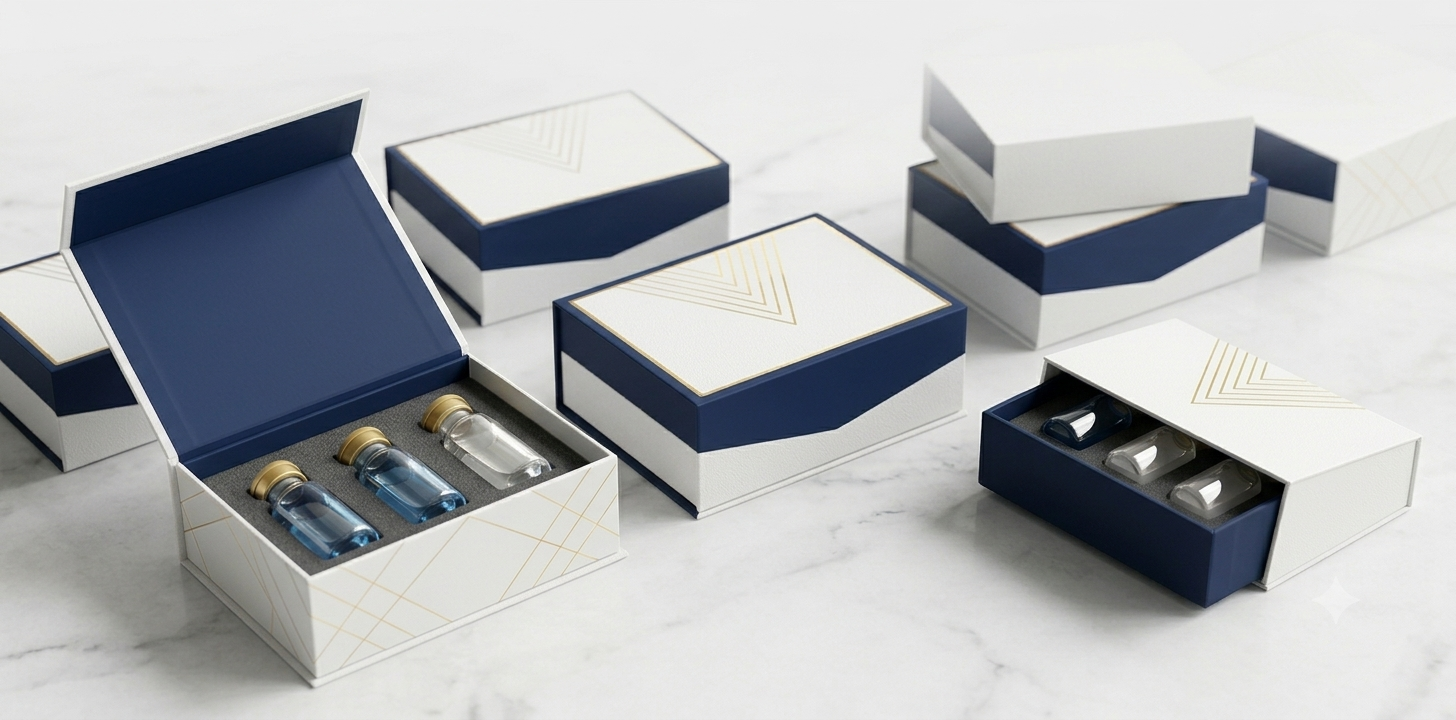
A medical professional in a high-stress emergency room or busy clinical laboratory does not view packaging as a marketing tool. For them, every second matters, and the packaging is either a facilitator of efficient patient care or an obstacle. When distributing glass vials filled with life-saving biological treatments, high-value vaccines, or precise diagnostic reagents across the United States, your exterior box design carries an immense responsibility. A poorly executed layout can lead to compromised product handling, scanning failures in the inventory system, or catastrophic breakage during long-haul freight distribution.
Designing effective custom vial boxes requires a meticulous shift in perspective. It means moving beyond simple retail aesthetics and diving deep into structural ergonomics, legal compliance, and environmental durability. Every design choice must protect your glass product, streamline the workflow of healthcare workers, and minimize the risk of human error during administration. Here are the essential strategic tips to help your packaging engineers build a high-performance vial container that successfully balances form, function, and corporate safety standards.
1. Design for High-Contrast Legibility and Micro-Typography
In the B2B pharmaceutical sector, typographic layout can be a matter of immediate safety. Dosing instructions, active ingredient quantities, warning labels, and expiration dates must be instantly readable under any lighting conditions. If a laboratory technician has to squint or rotate a box repeatedly to read critical product data, the design has failed its primary objective.
When structuring the artwork on your custom vial boxes, replace decorative or overly stylized typography with highly legible, clean sans-serif fonts. Maintain strict hierarchy and leave generous negative space around critical warnings to ensure they stand out. Furthermore, you must optimize your surface finish for automated scanning technologies. High-gloss laminations often reflect harsh hospital overhead lights, causing scanning errors with 2D barcodes and unique device identification data. Opting for smooth, matte coatings ensures that optical scanners capture tracking and serialization details seamlessly on the first attempt.
2. Engineer the Layout Around a Custom Vial Box with Inserts
The outer walls of your packaging are only as reliable as the structural engineering on the inside. Glass vials are inherently fragile, and any direct glass-to-glass contact during logistics networks will cause micro-fractures that destroy product integrity. Therefore, the absolute foundation of your design must center on a precise vial box with inserts that isolates and protects every unit.
An effective design incorporates smart medical user experience into the internal tray layout. Packaging engineers should include small finger-notches or pull-tabs into the insert walls. This small detail allows medical staff to lift individual glass containers out of the cell easily, even while wearing heavy cleanroom gloves, drastically reducing the risk of accidental drops. Additionally, if your product is a multi-step clinical kit containing separate components like a freeze-dried powder vial and a sterile diluent vial, the internal dividers should physically guide the user. Arrange the slots sequentially from left to right to mirror the exact clinical protocol for reconstitution and administration.
3. Select Materials That Fit the Final Clinical Environment
Your custom boxes do not live in a vacuum; they travel through rigorous cold chain networks and ultimately land in highly controlled medical environments. Your structural design and material selection must anticipate these specific physical realities.
If your biological products require continuous refrigeration or deep-freeze storage, regular untreated paperboard will absorb environmental humidity, lose its structural rigidity, and collapse under its own weight. To prevent this, the structural design must specify water-resistant barrier coatings or synthetic substrates that repel ambient moisture. Conversely, if your product is destined for a sterile cleanroom environment, traditional raw paperboard is completely unacceptable due to micro-fiber shedding and dust generation. In these specialized instances, the box should be paired with medical-grade thermoformed plastic trays that offer pristine cleanliness without compromising the physical security of the glass.
4. Integrate Functional Security and Compliance Features
Securing the chain of custody is a major requirement for modern pharmaceutical procurement officers across the United States. Your box design must inherently build trust by showing clear visual proof that the contents have remained uncompromised since leaving the manufacturing facility.
Instead of relying on basic external clear tape, integrate permanent tamper-evident mechanisms directly into the paperboard dieline. Structural features like perforated tear-strips or destructive opening tabs show immediate, irreversible proof of first opening, protecting your supply chain from contamination or counterfeiting risks. If the liquid compounds fall under regulations requiring child-resistant packaging, the outer box must incorporate multi-action locking tabs. These systems require a specific sequence of movements, such as a simultaneous squeeze and pull, to open the box, satisfying strict federal safety mandates while remaining highly intuitive for authorized adult operators.
Conclusion
Developing an effective custom vial container is a technical challenge that directly impacts product safety, corporate liability, and brand reputation. By focusing heavily on crisp typographic legibility, investing in custom internal inserts, selecting moisture-resistant materials, and building functional tamper evidence into the structural dieline, you create a product that excels in the field. Partnering early with an expert packaging manufacturer allows your business to develop prototypes and execute physical drop tests, ensuring your final custom vial boxes are fully optimized for the uncompromising standards of the modern medical industry.
- Managerial Effectiveness!
- Future and Predictions
- Motivatinal / Inspiring
- Fitness and Wellness
- Medical & Health
- Manufacturing
- Education
- Real-Estate
- Food Industry
- Hospitality
- Online Games
- Sports
- Home Services
- Civil Engineering
- Safety and Protection
- Software Products & Services
- Fashion and Jewellery
- Artificial Intelligence
- Entrepreneurship
- Mentoring & Guidance
- Marketing
- Networking
- HR & Recruiting
- Literature
- Shopping
- Career Management & Advancement