

 SkillClick
Where to Choose the Right Fabric for Custom Rugs
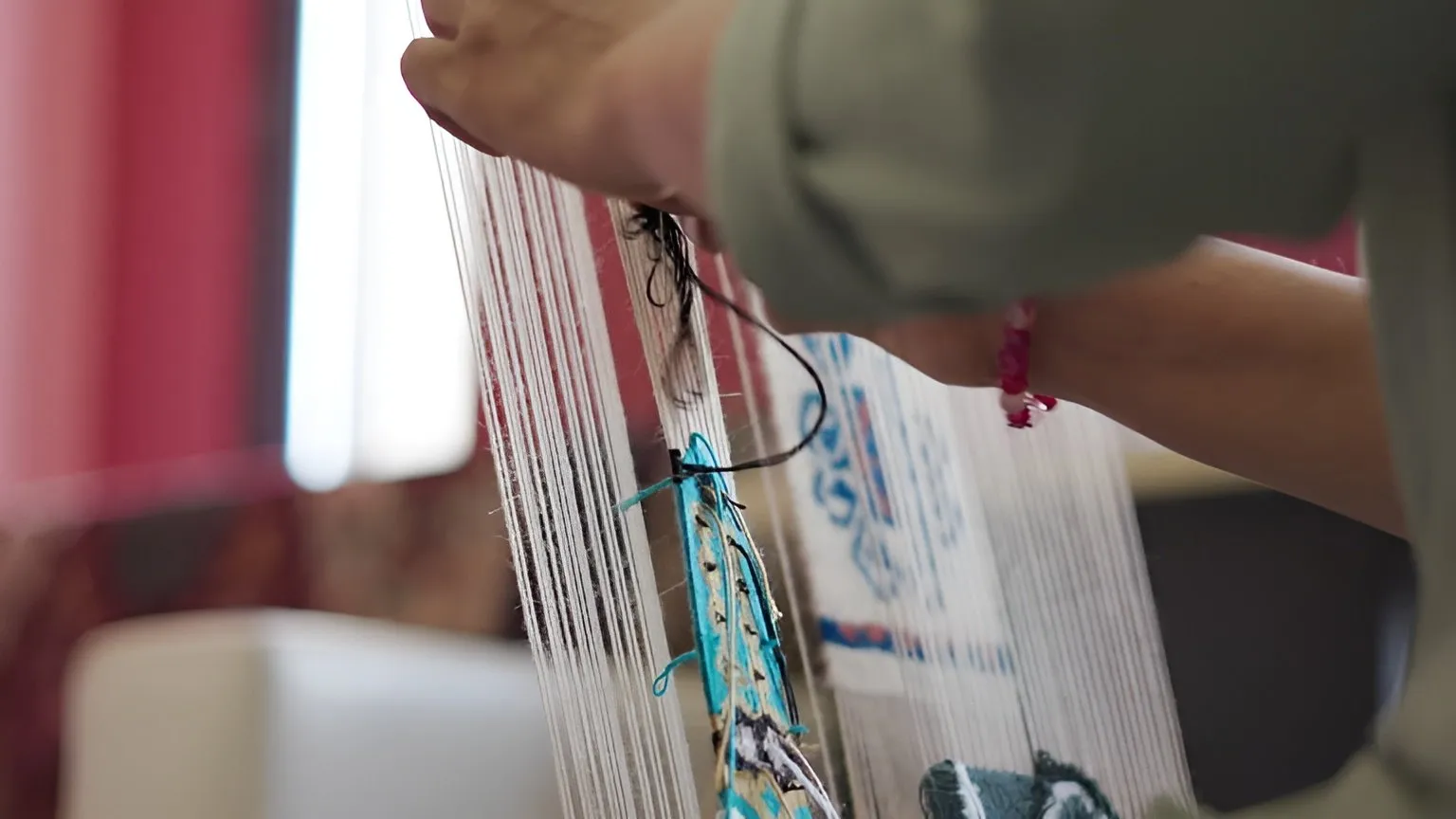
Choosing the right fabric for a custom rug is one of the most important decisions you can make when designing a floor covering that suits your home, lifestyle, and climate. In Australia, where interiors often need to balance style, durability, and comfort, the fabric you select can affect everything from how the rug feels underfoot to how well it handles foot traffic, dust, and humidity. Whether the rug is intended for a busy family room, a coastal apartment, or a quiet bedroom, the material should be matched carefully to the space and how it will be used.
For many homeowners, the process begins with understanding the strengths and limitations of each fabric type. Wool, cotton, jute, silk, synthetic fibres, and blended textiles all bring different qualities to a custom rug. If you are comparing options for Custom Made Rugs Perth, for example, it helps to think beyond appearance and look closely at maintenance, texture, durability, and suitability for local conditions. A rug that looks beautiful in a showroom may not perform as well in a sunlit living area or a high-use hallway.
This guide explains how to choose the right fabric for custom rugs, what to consider before buying, and how different materials perform in real homes across Australia.
Key points:
- Fabric choice affects comfort, durability, maintenance, and appearance.
- Wool is one of the best all-round options for Australian homes.
- Natural fibres such as jute and cotton suit certain styles but have limitations.
- Synthetic fabrics can be practical for busy households and high-traffic areas.
- The right choice depends on room use, climate, cleaning needs, and budget.
Why fabric matters in a custom rug
A custom rug is more than a decorative piece. It is a functional item that must handle daily use while complementing the room’s design. Fabric plays a major role in determining how the rug feels, how long it lasts, and how much care it needs. A soft, luxurious rug may be ideal for a bedroom, while a tougher, low-pile option may be better for a living room or dining area.
In Australia, fabric choice also needs to account for practical factors such as strong sunlight, seasonal humidity in some regions, and the general wear that comes from sandy shoes, pets, and family life. A well-chosen rug fabric can make a room feel warmer in winter, quieter underfoot, and more inviting overall.
Understanding the main fabric options
Wool
Wool is widely considered one of the best materials for custom rugs. It is naturally resilient, soft, and insulating. Wool fibres spring back after being compressed, which helps the rug maintain its shape over time. This makes wool suitable for living rooms, bedrooms, and other spaces where comfort and long-term performance are important.
Wool also resists dirt reasonably well because the fibres have a natural protective layer. This does not mean wool rugs are maintenance-free, but they often stay looking clean for longer than some other materials. In Australian homes, wool is particularly useful because it performs well across different climates and feels comfortable throughout the year.
Cotton
Cotton rugs are light, versatile, and often more affordable than wool. They are commonly used in casual interiors and can work well in bedrooms, children’s spaces, or low-traffic areas. Cotton tends to have a softer, more relaxed appearance, which suits homes that lean towards natural or coastal styling.
The main drawback is that cotton can wear faster than wool and may not hold up as well in busy areas. It can also absorb spills quickly, so it is best for spaces where regular cleaning is manageable.
Jute and other plant fibres
Jute, sisal, and similar plant-based fibres are popular for their natural texture and earthy appearance. These rugs suit homes that favour organic, understated design. They can add warmth and visual interest without overwhelming a room.
However, these fibres are not always the softest underfoot and can be more difficult to clean. They may also be less suitable for damp areas or homes where spills are common. For that reason, they are often chosen for entryways, formal rooms, or decorative layering rather than heavy daily use.
Silk
Silk rugs are known for their lustre, fine detail, and luxurious feel. They are usually reserved for low-traffic spaces or decorative purposes because they are delicate and require careful handling. A silk custom rug can create a refined focal point, but it is not usually the best choice for family areas or homes with young children and pets.
Because of their sensitivity, silk rugs are typically best for rooms where foot traffic is limited and where the owner is prepared to invest in specialised care.
Synthetic fibres
Synthetic materials such as polypropylene, nylon, and polyester are often chosen for practicality. They can be durable, stain-resistant, and easier to clean than some natural fibres. This makes them appealing for households that want a rug with low maintenance requirements.
These fabrics can be particularly useful in rental properties, busy family homes, and outdoor or semi-outdoor areas where exposure to dirt and moisture is more likely. While they may not always have the same natural texture as wool or cotton, modern synthetics can still look attractive and feel comfortable.
How to match fabric to the room
Living rooms
Living rooms usually need a rug that balances comfort and durability. Wool is often the strongest choice because it feels pleasant underfoot and can handle regular use. If the room receives a lot of sunlight, it is wise to consider how the fabric may fade over time. A rug with a tighter weave and good colour stability will usually perform better.
Bedrooms
Bedrooms benefit from softness and warmth. Cotton, wool, and some blended fabrics work well in these spaces. The priority is usually comfort rather than extreme durability, although the fabric should still be easy enough to care for in day-to-day life.
Dining areas
Dining rooms need fabrics that can cope with spills and chair movement. Low-pile wool or synthetic materials are often practical because they are easier to clean and less likely to trap crumbs. Thick, high-pile rugs may look appealing but can be harder to maintain in eating areas.
Entryways and hallways
These are high-traffic areas, so durability is essential. Jute, sisal, and synthetic options are commonly used here, although wool can also be suitable if it has a dense construction. The best choice is usually a fabric that can tolerate repeated use and occasional dirt without losing its structure.
Climate and lifestyle considerations in Australia
Australian homes vary widely, from humid coastal properties to dry inland houses and cooler southern climates. Fabric choice should reflect these conditions. In humid environments, materials that dry quickly and resist mould are especially important. In drier areas, natural fibres may perform well, but strong sunlight can still cause wear or fading over time.
Lifestyle is equally important. Homes with children or pets often need fabrics that are forgiving and easy to clean. Households that prefer a more formal interior may be able to choose delicate or decorative materials with less concern for heavy use. A custom rug should support the way you live rather than forcing you to work around the rug itself.
Texture, pile, and weave
Fabric type is only part of the decision. The texture, pile height, and weave also influence how the rug performs. A low-pile rug is usually easier to clean and better for busy areas, while a high-pile rug offers more softness and a more relaxed feel. Tightly woven rugs tend to hold their shape better and resist wear, whereas looser weaves may feel more casual but can be harder to maintain.
When selecting a custom rug, it helps to handle samples if possible. Touching the fabric and seeing how it reacts to light can reveal a lot about whether it will suit the intended room.
Maintenance and cleaning
No rug fabric is completely maintenance-free. Even durable materials need regular care to stay in good condition. Vacuuming, prompt spill treatment, and periodic professional cleaning can extend the life of a rug significantly. Some fibres are more forgiving than others, so it is worth thinking about how much time you are prepared to spend on upkeep.
Wool usually needs careful but not excessive maintenance. Cotton and synthetic rugs may be easier to manage in homes where cleaning must be quick and practical. Jute and silk need more caution and are best chosen with a clear understanding of their limitations.
Budget versus long-term value
Price is often a deciding factor, but it should be weighed against how long the rug is expected to last. A cheaper fabric may seem appealing initially, yet if it wears out quickly, it may cost more over time. Wool can be more expensive upfront, but its durability often makes it a strong long-term investment. Synthetic rugs can also offer good value when practicality is the main goal.
The best approach is to think in terms of total value rather than initial cost alone. A rug that suits the room, withstands daily life, and still looks good after years of use is usually the most sensible choice.
Final thoughts
Choosing the right fabric for a custom rug involves more than picking a colour or pattern. It means considering how the rug will be used, where it will sit, and how much care it will need. In Australia, where homes and climates vary so much, the best fabric is the one that fits the room as well as the lifestyle of the people living in it.
Wool remains a dependable all-rounder, cotton offers lightness and simplicity, natural plant fibres bring texture, silk provides elegance, and synthetics deliver practicality. By weighing these qualities carefully, you can select a custom rug fabric that feels right, performs well, and supports the look and comfort of your home for years to come.
FAQ
What is the best fabric for a custom rug?
Wool is often considered the best all-round fabric because it is durable, comfortable, and suitable for many rooms. The best choice still depends on how the rug will be used and where it will be placed.
Are natural fibres better than synthetic fibres?
Neither is always better. Natural fibres such as wool and jute offer texture and character, while synthetic fibres often provide easier maintenance and better stain resistance. The right option depends on your needs.
Which fabric is easiest to clean?
Synthetic rugs are usually the easiest to clean, followed by some low-pile wool rugs. Cotton and plant-based fibres can be more sensitive to spills and may require more care.
Can I use a delicate fabric in a busy area?
It is possible, but not ideal. Fabrics like silk are better suited to low-traffic spaces. Busy areas usually need stronger, more practical materials that can handle wear and cleaning.
How do I choose fabric for a home with pets?
Look for durable, stain-resistant materials with a low to medium pile.
- Managerial Effectiveness!
- Future and Predictions
- Motivatinal / Inspiring
- Fitness and Wellness
- Medical & Health
- Manufacturing
- Éducation
- Real-Estate
- Food Industry
- Hospitality
- Online Games
- Sports
- Home Services
- Civil Engineering
- Safety and Protection
- Software Products & Services
- Fashion and Jewellery
- Artificial Intelligence
- Entrepreneurship
- Mentoring & Guidance
- Marketing
- Networking
- HR & Recruiting
- Literature
- Shopping
- Career Management & Advancement