

 SkillClick
Most Common User Mistakes on Adult Onion Websites
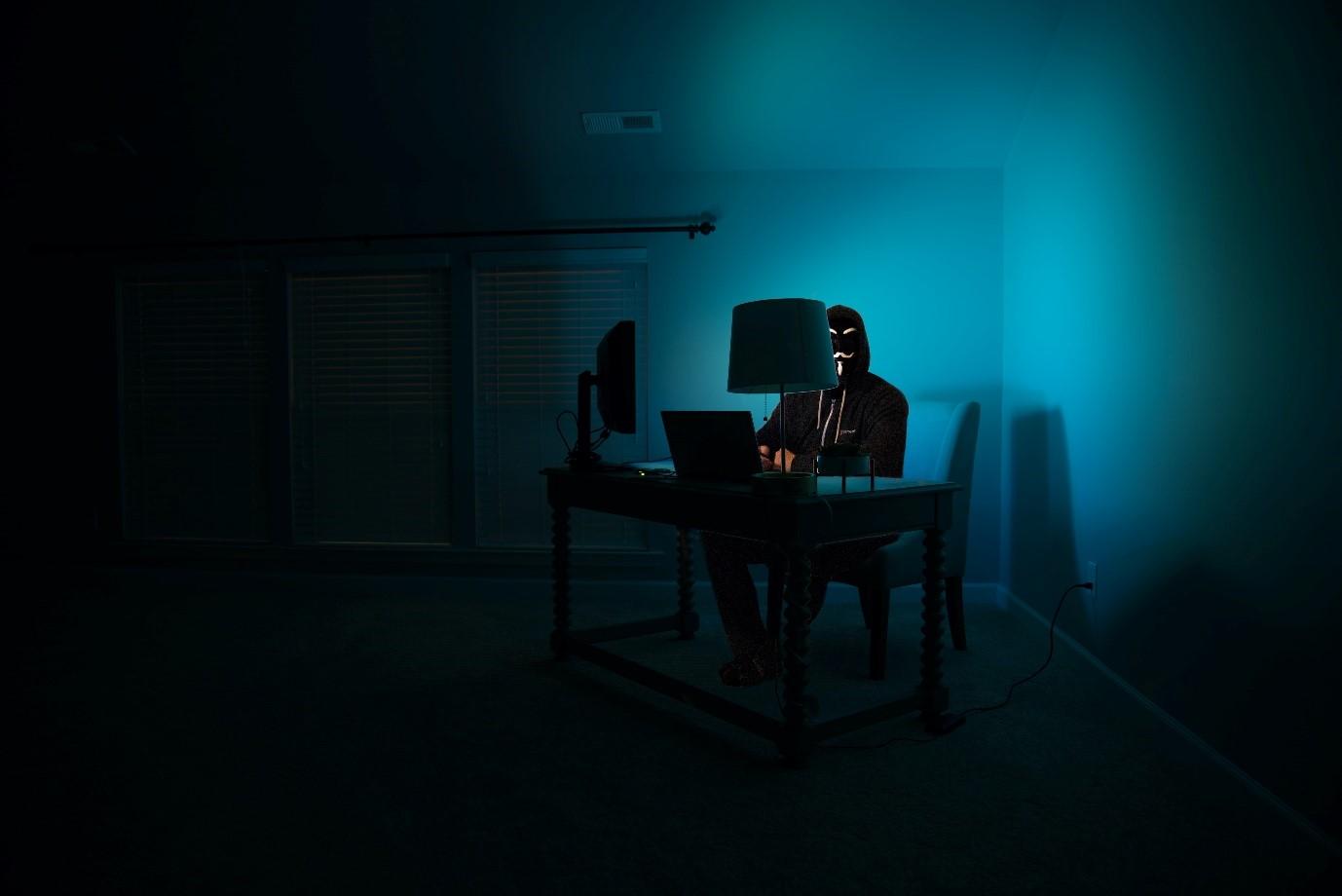
Did you know that most security breaches on the dark web happen because of a simple mouse click rather than a sophisticated hacker attack? When you step away from the standard internet, the rules of engagement change instantly. Many people assume that simply opening a specific browser makes them invisible but true anonymity is a practice, not just a tool. If you treat an onion site like a standard social media platform, you are likely leaving a trail of digital breadcrumbs behind you.
You are entering a space where the usual safety nets do not exist. There is no "customer support" to help if a page steals your data or if you lose access to a private key. Understanding the environment is the first step toward staying safe. Many errors are preventable if you know what to look for and which habits to leave behind. We are going to look at the specific behaviors that put your privacy at risk when you explore these hidden corners of the web.
Forgetting Fundamental Security Steps
The most frequent mistake is assuming the Tor browser handles everything automatically. While it is a powerful tool, it is not a magic shield. You are still vulnerable if you keep your browser window maximized, as this allows websites to determine your screen resolution - this specific data point is part of "fingerprinting" which helps trackers identify you among thousands of other users. Keep the window at its default size to stay blended in with the crowd.
Another common slip is leaving JavaScript enabled on high risk sites. Many adult oriented pages use complex scripts to deliver video content but these same scripts can sometimes bypass your proxy settings to reveal your actual IP address. It is usually safer to set your security level to "Safest" in the browser settings - this might break some flashy features but it ensures that your identity remains under wraps while you browse.
Users also often forget to close their browser sessions entirely. If you jump from a private onion site back to a standard "clear web" site in the same window, you risk cross contaminating your data. Always restart the browser when you change the type of content you are viewing - this simple habit clears out temporary files and session tokens that could link your two identities together.
Clicking Untrusted or Dead Links
The dark web is famous for its lack of structure, which makes navigation difficult. You might find a list of addresses that look interesting but many of them are likely clones or phishing attempts. Clicking a link without verifying it is a fast way to land on a site designed to install malware on your device. Scammers often create carbon copies of popular directories to trick you into entering login credentials.
To avoid this, you should use established starting points that the community trusts. For instance, a reliable dark web directory is better than a random link found on a public forum - these directories often categorize sites so you know exactly where you are going before you click. Using a curated list helps you avoid the "broken" parts of the dark web where dead links and malicious redirects are common.
Signs of a suspicious link
- The URL is slightly different from the one you usually use (extra letters or numbers).
- The page asks for a login before you can see any content at all.
- You receive the link through an unsolicited private message or email.
- The site redirects you through three or four different addresses before loading.
Sharing Personal Identifiers Unintentionally
Anonymity is fragile - You might have the best security settings in the world but they won't help if you type your real name or a common username into a text box. Many people use the same "handle" across the entire internet. If you use the same username on an adult onion site that you use on your public Instagram or gaming account, anyone can link those identities together with a simple search.
Avoid talking about your location, your job or your specific hobbies in chat rooms or comment sections - these small details seem harmless but they build a profile over time. Professional investigators call this "mosaic theory" - gathering tiny, useless bits of information until they form a complete picture of who you are. Always create a completely new identity that has zero connection to your real life persona.
Be careful with the files you upload or download as well - Photos often contain metadata, like the GPS coordinates of where the picture was taken or the serial number of the camera. If you are interacting on forums, never share images that haven't been "scrubbed" of this hidden data. Many adult sites are anonymous but the users and moderators are still strangers who don't need to know your home address.
Ignoring Regular Browser & System Updates
Software is never perfect - Developers constantly find "holes" or vulnerabilities that could allow an attacker to see what you are doing. When the Tor Project releases an update, it is usually because they fixed a way for individuals to be de anonymized. If you ignore the little "update available" icon, you are browsing with a target on your back. It is like leaving your front door unlocked in a neighborhood you don't know well.
This rule applies to your operating system too - If your underlying Windows or macOS system is outdated, a website might use a known flaw in the system's video player to gain access to your files. Some users prefer using a live operating system like Tails, which runs from a USB stick and leaves no trace on the computer - this is a great way to ensure that your main computer stays clean and your browsing remains truly temporary.
Essential Update Habits
- Check for Tor Browser updates every time you start a session.
- Keep your firewall active and configured to block unnecessary outgoing traffic.
- Disable all browser extensions that you didn't install yourself.
- Never download executable (.exe) files from an onion site.
Making Mistakes During Anonymous Transactions
If you decide to access premium content or support a creator, you will likely use cryptocurrency. A major mistake here is using Bitcoin directly from a central exchange like Coinbase or Binance - these exchanges have your ID on file. If you send money directly from your account to an onion site, the exchange knows exactly where your money went - this creates a permanent, public link between your real name and your dark web activity.
Privacy-focused users often look at different currencies or "mixing" services to break the trail. Before you spend any money, it is wise to read a review of trusted sites to ensure the platform is legitimate. Many sites are "exit scams" meaning they look professional for a few months, collect a lot of deposits and then disappear overnight with everyone's money.
Always double check the address you are sending funds to - In the world of onion sites, there are no refunds. If you send your coins to a typoed address or a "spoofed" wallet, that money is gone forever. Some users prefer to start with very small amounts to test the site's honesty before committing to a larger transaction - this "test run" approach saves a lot of frustration and money in the long run.
Finally, keep an eye on current trends - The area changes fast and a site that was safe last year might be compromised to this day. Checking an updated list of onion links helps you stay informed about which platforms are still active and which ones have been flagged by the community for suspicious behavior. Staying safe is about being proactive and skeptical of everything you see.
FAQ
Is it illegal to browse adult onion websites?
Simply browsing the dark web is generally legal in most countries. The legality depends on the specific content you are viewing and the laws of your local jurisdiction. Always avoid any content that is illegal in the "clear web" world, as those same laws apply to the dark web.
Do I need a VPN to use the Tor browser?
This is a debated topic - While Tor provides its own encryption, some people use a VPN to hide the fact that they are using Tor from their Internet Service Provider (ISP). If configured incorrectly, a VPN can sometimes make you more trackable. For most people, a properly configured Tor browser is enough.
Can I get a virus from just visiting an onion site?
It is possible but unlikely if you have your security settings on "Safest" and your browser is updated. Many "viruses" on the dark web require the user to download a file and open it. As long as you don't download software or allow scripts to run, your risk is much lower.
Why are onion sites so slow to load?
Your connection is being bounced through three different servers around the world to hide your location - this triple layer of encryption and relaying takes time. If a site is extremely fast, it might actually be a sign that it isn't properly routing through the Tor network.
- Managerial Effectiveness!
- Future and Predictions
- Motivatinal / Inspiring
- Fitness and Wellness
- Medical & Health
- Manufacturing
- Education
- Real-Estate
- Food Industry
- Hospitality
- Online Games
- Sports
- Home Services
- Civil Engineering
- Safety and Protection
- Software Products & Services
- Fashion and Jewellery
- Artificial Intelligence
- Entrepreneurship
- Mentoring & Guidance
- Marketing
- Networking
- HR & Recruiting
- Literature
- Shopping
- Career Management & Advancement