

 SkillClick
When a Small Lock Problem Needs a Locksmith in Dubai
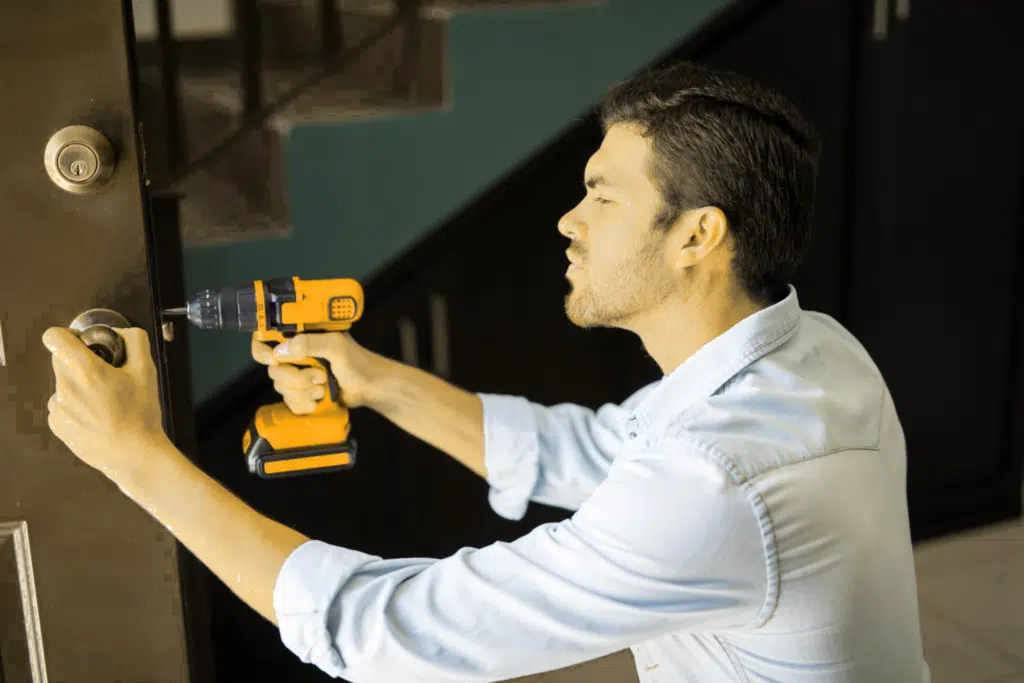
A small lock problem may not look serious at first. The key feels a little stiff, the handle moves slightly, the door needs a small push before locking, or the key works only after a second attempt. Many people ignore these signs because the door still opens and closes. But small lock problems can become bigger if they are left unchecked.
A lock usually does not fail without warning. Before a complete lockout, broken key, jammed cylinder, or damaged latch, there are often early signs. The problem may start slowly and then become worse with daily use. In Dubai, locks can also be affected by heat, dust, humidity, frequent use, rental property access, old keys, and door alignment problems.
Knowing when a small issue needs a locksmith can help prevent emergency lockouts, damaged doors, and security risks. This guide explains the common small lock problems that should not be ignored and when it is better to get professional help.
Why Small Lock Problems Should Not Be Ignored
A door lock protects your home, apartment, villa, office, shop, or storage room. If it starts becoming unreliable, it can affect both convenience and security. A lock that only feels slightly rough today may become completely stuck later.
Many people wait because they think the issue is minor. They keep forcing the key, pushing the door harder, or lifting the handle to make the lock work. This may seem harmless, but it can put pressure on the cylinder, latch, key, handle, and frame.
Small lock problems can lead to:
-
Broken keys
-
Jammed cylinders
-
Emergency lockouts
-
Loose handles
-
Door frame damage
-
Lock replacement
-
Security weakness
-
Smart lock failure
-
Higher repair cost later
A lock should work smoothly. If it needs force, repeated attempts, or special tricks, it should be checked.
The Key Feels Slightly Hard to Turn
One of the earliest warning signs is a key that becomes hard to turn. At first, it may only feel tight once in a while. Later, it may become stiff every time you use it.
A hard-turning key can be caused by:
-
Dust inside the cylinder
-
Dry lock parts
-
Worn internal pins
-
A bent key
-
Poor duplicate key
-
Door alignment pressure
-
Old lock mechanism
If only one key is difficult, the key may be damaged. But if every key feels stiff, the lock is probably the issue.
In Dubai, dust can easily enter locks, especially on outdoor doors, villa gates, and shop entrances. Heat can also affect door alignment, making the latch press against the frame. If the key feels tight, do not force it daily. This is a good time to contact a locksmith Dubai professional before the key breaks or the lock jams.
The Key Gets Stuck Sometimes
A key that gets stuck once may not feel like a major emergency. But if it happens more than once, the lock needs attention.
A stuck key may mean:
-
The key is bent or worn
-
The cylinder is dirty
-
Internal pins are damaged
-
The duplicate key is poorly cut
-
The lock is misaligned
-
The door is putting pressure on the latch
Many people pull the key out forcefully. This can break the key inside the lock. Once the key breaks, the repair becomes more complicated.
If the key gets stuck, move it gently. Do not twist too hard. If the same issue returns, it is no longer a small problem. The lock should be inspected before it fails completely.
The Lock Works Only After Several Attempts
A good lock should work on the first attempt. If you need to wiggle the key, lift it slightly, push it deeper, pull it back, or turn it several times before it opens, something is wrong.
This issue may happen because the lock cylinder is wearing down or because the key no longer matches the internal mechanism properly. It can also happen when the door latch is under pressure.
Many people continue using the lock because it still opens eventually. But repeated attempts can wear the key and cylinder further. One day, the lock may stop responding completely.
If your lock needs tricks to work, it is time to get it checked.
The Door Needs a Push or Pull to Lock
If you need to push, pull, lift, or press the door before it locks, the issue may be door alignment. This is one of the most common problems in homes, apartments, and villas.
A lock may feel bad even when the key is fine if the latch does not line up with the strike plate. The key has to work against pressure, making the lock feel tight.
Common causes include:
-
Loose hinges
-
Door sagging
-
Frame movement
-
Heat expansion
-
Strike plate misalignment
-
Poor lock fitting
-
Heavy daily use
A simple test can help. Open the door and turn the key. Then close the door and try again. If the key works smoothly when open but becomes tight when closed, the problem is likely alignment.
This should not be ignored. Daily pressure can damage the latch, lock body, cylinder, handle, and door frame.
The Handle Feels Loose
A loose handle may seem like a small issue, but it can affect the lock mechanism. If the handle does not sit firmly, the latch may not retract properly. Over time, the lock may become harder to use.
Signs of handle problems include:
-
Handle shakes
-
Handle does not return properly
-
Handle feels weak
-
Screws keep loosening
-
Door opens only after lifting the handle
-
Handle turns but latch does not move
Sometimes tightening screws is enough. But if the internal spindle, latch, or lock body is damaged, the issue needs repair. A loose handle on a main door should not be ignored because it can reduce security.
The Cylinder Moves When You Use the Key
The lock cylinder should stay firm inside the door. If it moves, turns unevenly, or feels loose when the key is inserted, the lock may not be secure.
A moving cylinder can be caused by:
-
Loose fixing screw
-
Worn cylinder
-
Poor installation
-
Damaged lock body
-
Forced entry attempt
-
Old hardware
This issue can become serious quickly. The lock may stop engaging properly or become easier to tamper with. If the cylinder feels unstable, professional inspection is recommended.
The Lock Makes Grinding or Scraping Sounds
Locks should not make rough metal sounds. If you hear grinding, scraping, clicking, or friction when turning the key, there may be dust, wear, or internal damage.
This can happen when:
-
Dust collects inside the lock
-
Internal parts are dry
-
The key is damaged
-
The latch is misaligned
-
The lock body is worn
-
The mechanism is under pressure
Some people add oil to fix the sound. But heavy oil can attract dust and make the lock sticky later. A lock needs proper cleaning and suitable lubrication, not random oil.
Grinding sounds should be treated as a warning sign.
The Key Turns but the Door Does Not Open
If the key turns but the door stays closed, the problem is usually not with the key blade. The issue may be inside the lock body, latch, spindle, or handle connection.
Possible causes include:
-
Broken latch
-
Failed lock body
-
Loose handle connection
-
Damaged spindle
-
Misaligned bolt
-
Internal wear
-
Door pressure
This problem can quickly become a full lockout. If the key turns but the door does not open, avoid forcing the handle or key. The lock mechanism needs inspection.
A Duplicate Key Does Not Work Smoothly
A duplicate key should work almost the same as the original. If the new key feels rough, gets stuck, or needs wiggling, either the duplicate is poorly cut or the lock itself has a problem.
A duplicate key may fail because:
-
The original key was worn
-
The wrong blank was used
-
The key was cut inaccurately
-
Sharp edges were left after cutting
-
The lock cylinder is already worn
-
The door is misaligned
If only the duplicate key has problems, it may need correction. But if the original key also feels rough, the lock should be checked. Making another duplicate may not solve the real issue.
The Lock Feels Different Than Before
Sometimes the sign is not dramatic. The lock simply feels different. Maybe the key turns with more resistance. Maybe the handle feels softer. Maybe the latch does not click like before.
Small changes matter because you know how your lock normally feels. If it suddenly feels rough, loose, delayed, or unstable, something may be changing inside the mechanism.
It is better to check the issue early instead of waiting for the lock to fail.
Smart Lock Issues That Start Small
Smart locks are common in Dubai apartments, villas, offices, and rental properties. They offer password, fingerprint, card, app access, and backup keys. But smart locks also show early signs when something is wrong.
Small smart lock issues include:
-
Fingerprint sensor needs several attempts
-
Keypad responds slowly
-
Lock gives warning sounds
-
Battery drains faster than normal
-
Card access fails sometimes
-
Auto-lock does not work every time
-
Door needs pressure before locking
-
Panel feels loose
-
Backup key is hard to use
Some issues are caused by batteries or settings. Others are caused by poor installation or door alignment. If the smart lock works electronically but the door still does not lock smoothly, the mechanical fitting may be the problem.
Smart lock problems should be checked early because they can create access issues for families, tenants, guests, or office users.
Outdoor Locks Become Stiff
Outdoor locks face more heat, dust, and humidity than indoor locks. Villa gates, garden doors, garage locks, storage rooms, and shop shutters can become stiff over time.
A small outdoor lock issue may become worse because dust keeps entering the keyway. Heat can also affect the door or gate alignment.
Signs include:
-
Key feels gritty
-
Lock becomes dry
-
Key does not enter smoothly
-
Padlock is hard to open
-
Gate latch does not align
-
Lock gets stuck after not being used
Outdoor locks need more frequent checking. If they start becoming stiff, do not wait until they jam completely.
Moving Into a New Property
A lock can look fine and still need attention because of access history. When moving into a new apartment, villa, office, or rental property, you may not know who has old key copies.
Previous tenants, agents, cleaners, contractors, staff, or maintenance workers may still have keys. Even if the lock works smoothly, old keys can create a security concern.
In this situation, a locksmith may recommend rekeying or changing the lock. This is not because the lock is broken, but because access control needs to be reset.
Lost Keys Are Not Always a Small Problem
Losing a key may seem minor if you still have a spare. But if the lost key can be connected to your property, it becomes a security risk.
You should take lost keys seriously if:
-
The key was lost near home
-
It was inside a stolen bag
-
It had an address tag
-
It belongs to a main door
-
It belongs to an office or storage room
-
You do not know where it went
Making another copy solves convenience, but it does not stop the lost key from working. Rekeying or replacing the lock may be safer.
When Repair Is Enough
Not every small lock problem needs full replacement. Repair may be enough when the lock is still in good condition and the issue is minor.
Repair may help when:
-
The lock is slightly stiff
-
Screws are loose
-
The latch needs adjustment
-
The cylinder needs cleaning
-
Door alignment is slightly off
-
The handle needs tightening
-
The lock is not badly damaged
Early repair can extend the life of the lock and prevent bigger problems.
When Replacement Is Better
Replacement may be safer when the lock is too old, damaged, loose, or unreliable.
Replacement may be needed when:
-
The lock has been forced
-
The cylinder is badly worn
-
The key keeps getting stuck
-
The lock has failed many times
-
Old keys are uncontrolled
-
The handle or lock body is broken
-
The lock no longer feels secure
-
You want better access control
A professional can tell whether repair, rekeying, or replacement is the right option.
Why Professional Help Matters
A small lock problem can have different causes. A stiff key may be caused by the key, cylinder, latch, door alignment, or frame. A loose handle may involve screws, spindle, latch, or lock body. A smart lock issue may be electronic, mechanical, or installation-related.
A locksmith Dubai expert can inspect the full system instead of guessing. This includes the key, cylinder, latch, strike plate, handle, hinges, door frame, and lock body.
Finding the real cause prevents repeated problems and unnecessary replacement.
How to Prevent Small Lock Problems
You can reduce lock issues with simple habits:
-
Do not force stiff keys
-
Replace worn keys early
-
Avoid using bent keys
-
Test duplicate keys immediately
-
Keep keys clean
-
Do not use heavy oil inside locks
-
Check door alignment
-
Tighten loose handles early
-
Replace smart lock batteries on time
-
Keep backup keys safe
-
Rekey locks after moving in
-
Change locks when keys are lost
-
Service outdoor locks before they jam
Small care steps can prevent emergency lockouts and expensive repairs.
Final Thoughts
A small lock problem should not be ignored when it affects daily use or security. A stiff key, stuck key, loose handle, moving cylinder, grinding sound, misaligned door, unreliable smart lock, or lost key can become a bigger issue if left untreated.
Not every problem needs a full lock change. Many small issues can be repaired if caught early. But if the lock is old, damaged, insecure, or has unclear key access, replacement or rekeying may be the better choice.
A good lock should work smoothly, feel stable, and protect your property with confidence. If your lock no longer does that, getting help early from a locksmith Dubai professional can prevent a small problem from turning into an emergency.
- Managerial Effectiveness!
- Future and Predictions
- Motivatinal / Inspiring
- Fitness and Wellness
- Medical & Health
- Manufacturing
- Éducation
- Real-Estate
- Food Industry
- Hospitality
- Online Games
- Sports
- Home Services
- Civil Engineering
- Safety and Protection
- Software Products & Services
- Fashion and Jewellery
- Artificial Intelligence
- Entrepreneurship
- Mentoring & Guidance
- Marketing
- Networking
- HR & Recruiting
- Literature
- Shopping
- Career Management & Advancement