

 SkillClick
Everything You Need to Know About Modern Telemedicine Apps
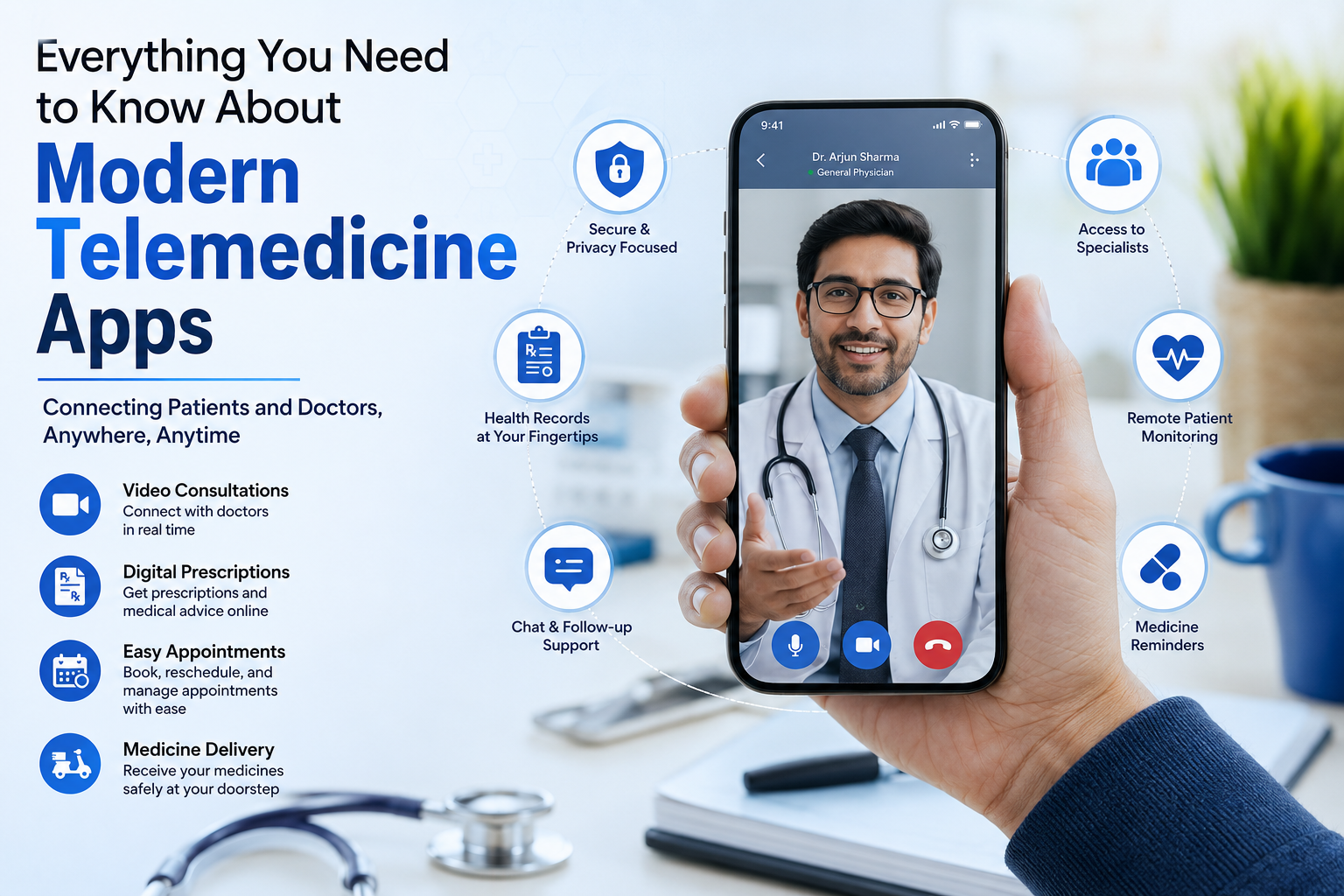
Modern healthcare is increasingly shaped by digital technologies that improve access, convenience, and continuity of care. Telemedicine applications have emerged as one of the most impactful innovations, enabling patients to consult doctors, receive medical guidance, and manage health concerns without visiting a clinic. As healthcare systems adapt to changing patient expectations, the demand for reliable digital care platforms continues to rise. This shift has also accelerated interest in telemedicine app development as organizations seek efficient ways to deliver high-quality healthcare services remotely.
Growing Demand for Virtual Healthcare Across Global Markets
The adoption of virtual healthcare has expanded significantly over the past decade, driven by technological advancements, increased smartphone usage, and changing consumer preferences. Patients now expect healthcare services to be accessible, responsive, and available beyond traditional clinical settings.
Key Statistics
-
More than 70% of healthcare providers worldwide have integrated some form of telehealth service into their operations.
-
Mobile health application downloads continue to grow each year as patients seek convenient healthcare solutions.
-
Remote consultations have reduced unnecessary hospital visits and improved healthcare accessibility in rural regions.
-
Healthcare organizations increasingly invest in digital platforms to enhance patient engagement and operational efficiency.
-
The global telehealth market is projected to experience substantial growth over the coming years due to rising demand for virtual care.
These trends demonstrate that digital healthcare is no longer an emerging concept but an established component of modern medical service delivery.
Core Features That Define Effective Telemedicine Platforms Today
A successful telemedicine application combines medical functionality with a seamless user experience. The goal is to create a secure environment where patients and healthcare providers can interact efficiently.
Essential features commonly found in modern platforms include:
-
User registration and profile management
-
Appointment scheduling and calendar integration
-
Video and audio consultation capabilities
-
Secure messaging between patients and physicians
-
Electronic prescription generation
-
Digital health record access
-
Payment gateway integration
-
Push notifications and appointment reminders
-
Multi-device compatibility
-
Administrative dashboards for healthcare providers
These features help streamline communication, reduce administrative burdens, and improve healthcare accessibility for users.
How Digital Consultations Improve Patient Care Experiences
Virtual consultations offer significant advantages for both patients and healthcare professionals. By eliminating geographical barriers, telemedicine allows individuals to access medical expertise regardless of location.
For patients, the benefits include:
-
Reduced travel time and associated costs
-
Faster access to medical advice
-
Greater convenience for routine consultations
-
Improved access to specialists
-
Better continuity of care for chronic conditions
Healthcare providers also benefit through improved scheduling flexibility, enhanced patient retention, and more efficient resource utilization.
Digital consultations are particularly valuable for follow-up appointments, medication reviews, mental health support, and non-emergency medical assessments. As healthcare systems face increasing pressure, virtual care helps optimize service delivery while maintaining quality standards.
Security Standards and Compliance Requirements in Healthcare
Healthcare applications manage highly sensitive patient information, making security a top priority. Data protection measures must be implemented throughout the platform to safeguard medical records and maintain user trust.
Critical security practices include:
-
End-to-end encryption for communications
-
Secure authentication mechanisms
-
Multi-factor authentication options
-
Role-based access controls
-
Secure cloud storage infrastructure
-
Regular security audits and testing
-
Automated backup and recovery systems
-
Compliance with applicable healthcare regulations
Healthcare organizations must ensure that patient information remains confidential while providing authorized users with convenient access to relevant medical data.
Failure to implement robust security measures can result in regulatory penalties, reputational damage, and loss of patient confidence.
Technology Components Behind Successful Healthcare Applications
Modern healthcare applications rely on a combination of advanced technologies to deliver reliable and scalable services. These technologies support everything from patient communication to data analysis.
Key technological components include:
-
Artificial intelligence for symptom assessment
-
Cloud computing for scalable infrastructure
-
Machine learning for predictive healthcare insights
-
Internet of Things integration with wearable devices
-
Real-time communication technologies
-
Electronic health record connectivity
-
Analytics and reporting systems
Organizations involved in telemedicine app development often focus on integrating these technologies to improve clinical outcomes and operational efficiency.
Artificial intelligence, in particular, is becoming increasingly valuable for patient triage, appointment prioritization, and personalized healthcare recommendations.
Integrating Pharmacy Services and Remote Treatment Support
Telemedicine has evolved beyond virtual consultations to include a broader range of healthcare services. Many platforms now integrate pharmacy support, enabling patients to receive prescriptions and medication-related assistance within the same ecosystem.
This trend has increased interest in medicine delivery app development, which complements virtual healthcare by connecting patients with pharmacies and delivery providers.
Common integrated services include:
-
Digital prescription management
-
Medication reminders
-
Pharmacy inventory visibility
-
Home delivery scheduling
-
Refill request automation
-
Drug interaction information
These capabilities improve treatment adherence and provide a more comprehensive healthcare experience. Patients can move from diagnosis to treatment without navigating multiple disconnected systems.
Integrated healthcare ecosystems also support better communication among physicians, pharmacists, and patients, leading to improved care coordination.
Development Challenges and Strategic Planning Considerations
Building a healthcare platform involves unique challenges that extend beyond traditional software development. Medical applications must balance usability, compliance, scalability, and clinical reliability.
Major challenges include:
-
Managing complex regulatory requirements
-
Ensuring interoperability with healthcare systems
-
Maintaining consistent video communication quality
-
Protecting sensitive patient information
-
Supporting diverse user demographics
-
Scaling infrastructure during peak demand periods
Strategic planning plays a critical role in overcoming these challenges. Organizations must clearly define user requirements, compliance obligations, technical architecture, and long-term growth objectives.
Many businesses collaborate with a specialized healthcare app development company to navigate industry-specific complexities and ensure adherence to healthcare standards.
A well-planned development process helps reduce risks while improving the likelihood of successful platform adoption.
Understanding Costs and Long-Term Investment Requirements
The financial investment required for a telemedicine platform depends on multiple factors, including feature complexity, platform scope, security requirements, and integration needs.
When evaluating the cost to build telemedicine app solutions, organizations should consider:
-
Application design and user experience
-
Front-end and back-end development
-
Video conferencing infrastructure
-
Security implementation
-
Regulatory compliance requirements
-
Third-party integrations
-
Quality assurance testing
-
Ongoing maintenance and updates
Basic platforms generally require lower investment, while enterprise-grade solutions with advanced features and extensive integrations demand larger budgets.
Long-term operational costs should also be considered. These may include cloud hosting, technical support, security monitoring, infrastructure scaling, and feature enhancements.
A comprehensive financial strategy helps organizations manage expenses while ensuring sustainable platform growth and performance.
Future Innovations Reshaping Remote Healthcare Services Worldwide
The future of virtual healthcare is expected to be shaped by emerging technologies that enhance personalization, accessibility, and clinical effectiveness.
Several innovations are likely to influence the next generation of healthcare platforms:
-
AI-powered diagnostic assistance
-
Advanced remote patient monitoring
-
Predictive healthcare analytics
-
Voice-enabled healthcare interactions
-
Augmented reality support for clinical guidance
-
Expanded wearable device integration
-
Personalized treatment recommendations
As these technologies mature, telemedicine app development will continue evolving to support more sophisticated healthcare experiences.
Remote monitoring tools, in particular, may enable healthcare providers to identify potential health issues before they become serious, improving preventive care and reducing hospital admissions.
Healthcare delivery is gradually transitioning from reactive treatment models toward proactive and continuous patient management supported by intelligent digital systems.
Key Takeaways for Understanding the Future of Care Delivery
Telemedicine applications have transformed the way healthcare services are delivered and accessed. By combining convenience, technology, and clinical expertise, these platforms help bridge gaps in care while improving patient experiences. As digital healthcare continues to evolve, organizations and healthcare providers must focus on security, usability, interoperability, and long-term scalability. Emerging technologies will further expand the capabilities of virtual care, creating new opportunities to improve outcomes, increase accessibility, and support more efficient healthcare systems for patients and providers alike.
- Managerial Effectiveness!
- Future and Predictions
- Motivatinal / Inspiring
- Fitness and Wellness
- Medical & Health
- Manufacturing
- Education
- Real-Estate
- Food Industry
- Hospitality
- Online Games
- Sports
- Home Services
- Civil Engineering
- Safety and Protection
- Software Products & Services
- Fashion and Jewellery
- Artificial Intelligence
- Entrepreneurship
- Mentoring & Guidance
- Marketing
- Networking
- HR & Recruiting
- Literature
- Shopping
- Career Management & Advancement