

 SkillClick
Everything You Need to Know About Insulation Inspection
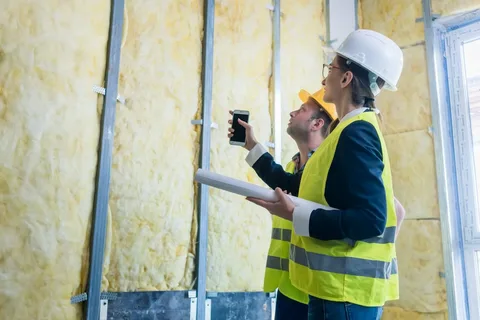
An insulation inspection is an assessment of a building’s thermal materials and air sealing to verify they meet energy efficiency, fire safety, and moisture control standards. It ensures that the insulation is the right type, thickness (R-value), and is correctly installed without gaps, damage, or settling.
Insulation inspections in St. Petersburg, FL, are especially important because homes in this area face extreme summer heat, humidity, and moisture concerns. A proper inspection helps identify insulation issues that may increase energy costs.
Why Does Insulation Inspection Matter?
Insulation inspections matter because they identify hidden energy waste, prevent moisture and mold build-up, and keep costs in control. When it is too hot outside, proper insulation controls the temperature inside the homes and helps you save on utility bills.
Regular checks ensure your living space remains comfortable all year by keeping conditioned air inside and severe temperatures out. Similar concerns are also addressed through services like insulation inspection in Clearwater, FL, where homeowners focus on improving energy efficiency.
Types Of Insulation Inspection
Inspections are divided into different stages based on the purpose and condition of the property.
Material Inspection
It verifies that the delivered insulation product matches the specified R-value, fire ratings, and material before installation begins.
Rough In Inspection
Rough-in inspection is required by building inspectors before hanging drywall. This inspection ensures that cavities are filled tightly, no gaps exist, and air sealing around areas such as wiring and plumbing is completed.
Performance testing
This testing evaluates the overall building envelope after construction. Specialized tools like an infrared camera are used to check for thermal bridging or missing insulation.
Key Areas to Evaluate
Before checking the insulation of your home, it is helpful to know the main areas where insulation problems are commonly found.
· Attics: Check that insulation is spread evenly and has the recommended path. Make sure insulation is not blocking soffit vents, and that baffles are installed to maintain proper airflow.
· Walls: Since most of the wall insulation is hidden, inspect accessible areas such as gaps around electrical outlets. This can help identify insulation type and possible issues. Always turn off the power before checking near outlets.
· Floors and Crawl spaces: Inspect insulation under floors and around crawl space walls. Make sure it has the correct thickness and R-value to help maintain indoor temperature.
Process of Insulation Inspection
The insulation inspection process involves checking the condition, placement, and performance of insulation throughout a property. The inspector starts with a visual assessment of areas like attics, crawl spaces, and accessible wall sections to identify gaps, damage, moisture, or uneven insulation.
Next, the insulation thickness is measured to confirm whether it meets the recommended R-value for proper temperature control. The inspector also checks air sealing around areas such as pipes, vents, and electrical openings where air leaks can reduce efficiency.
Special tools are used to detect hidden problems. After the inspection, the homeowner receives a report explaining the insulation condition and any recommended improvements.
Pros and Cons of Insulation Inspection
Insulation inspection evaluates the effectiveness, condition, and safety of thermal barriers of your building. Here are the pros and cons of insulation inspection.
Pros Of Insulation Inspection
· Lower Energy Bills: By identifying gaps and settling, the inspection allows you to fix the problem and save energy, which reduces energy bills.
· Moisture and Mold Prevention: Inspection uncovers hidden condensation or roof leaks that cause water damage, saving you from costly structural repairs.
· Extended HVAC Lifespan: Insulation inspection extends the life of heating, ventilation, and air conditioning systems in severe temperatures.
Cons Of Insulation Inspection
· Upfront Inspection Costs: Hiring a professional to perform an audit may require an initial investment.
· Potential to Repair Invasiveness: If hidden problems are identified during inspection, fixing them may require opening up walls or the ceiling.
· Limited Scope of Visual Checks: Visual checks may be limited to small areas.
Conclusion
A proper insulation inspection helps homeowners understand the condition of their insulation and identify the issues that may affect the comfort, energy use, and property protection. Checking areas like attics, walls, floors, and crawl spaces can reveal problems before they become expensive repairs.
Regular insulation checks can help maintain a more comfortable, efficient, and well-protected home, whether you need an inspection in St. Petersburg or are comparing similar services, such as insulation inspection in Clearwater, FL.
- Managerial Effectiveness!
- Future and Predictions
- Motivatinal / Inspiring
- Fitness and Wellness
- Medical & Health
- Manufacturing
- Educación
- Real-Estate
- Food Industry
- Hospitality
- Online Games
- Sports
- Home Services
- Civil Engineering
- Safety and Protection
- Software Products & Services
- Fashion and Jewellery
- Artificial Intelligence
- Entrepreneurship
- Mentoring & Guidance
- Marketing
- Networking
- HR & Recruiting
- Literature
- Shopping
- Career Management & Advancement