

 SkillClick
Understanding the Role of a Custom Clearance Agent in Australia
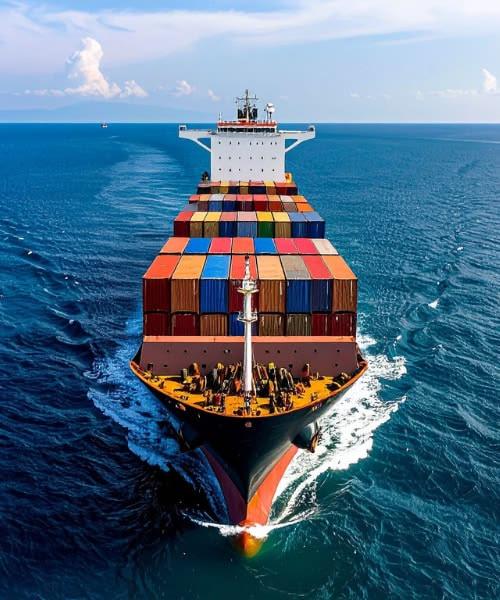
International trade is a critical component of Australia's economy, connecting businesses with suppliers and customers around the world. However, importing and exporting goods involves strict customs regulations, documentation requirements, and compliance obligations. To navigate these processes effectively, many businesses rely on a Custom Clearance Agent, a professional who helps ensure shipments meet customs requirements and move efficiently through the clearance process.
What Is a Custom Clearance Agent?
A Custom Clearance Agent is a professional who assists importers and exporters with customs-related procedures. Their primary role is to manage documentation, coordinate customs declarations, and help ensure compliance with Australian customs regulations.
These professionals act as an important link between traders, logistics providers, and customs authorities, helping facilitate the smooth movement of goods across international borders.
Importance of Customs Clearance in Australia
Australia maintains strict customs and biosecurity standards to protect its economy, industries, and environment. Every shipment entering or leaving the country must comply with relevant regulations.
Regulatory Compliance
Importers and exporters must follow customs requirements relating to product classification, documentation, and duty payments.
Efficient Cargo Movement
Proper customs processing helps reduce delays and supports the timely delivery of goods.
Trade Security
Customs procedures help ensure that goods entering Australia meet legal and safety standards.
Key Responsibilities of a Custom Clearance Agent
Custom clearance agents perform a variety of tasks throughout the import and export process.
Documentation Preparation
Accurate paperwork is essential for customs clearance. Common documents include:
- Commercial invoices
- Packing lists
- Bills of lading
- Air waybills
- Import declarations
- Certificates of origin
Errors in documentation can lead to delays or additional inspections.
Customs Declaration Submission
Agents prepare and lodge customs declarations containing detailed information about imported or exported goods.
Tariff Classification
Each imported product must be assigned the correct tariff classification code. These codes determine:
- Applicable customs duties
- Tax obligations
- Import restrictions
- Eligibility under trade agreements
Correct classification is critical for regulatory compliance.
Duty and Tax Assessment
Custom clearance agents help determine customs duties, Goods and Services Tax (GST), and other applicable charges.
Understanding the Customs Clearance Process
The customs clearance process involves several stages.
Shipment Review
Agents review shipment details to ensure documentation is complete and accurate.
Declaration Lodgement
Required customs information is submitted to customs authorities for assessment.
Customs Evaluation
Authorities review the shipment and determine whether duties, taxes, inspections, or permits are required.
Inspection Procedures
Certain goods may be selected for customs or biosecurity inspections based on risk assessments.
Cargo Release
Once all requirements have been satisfied, the shipment is approved for release.
Common Challenges in Customs Processing
International trade participants often face challenges during customs procedures.
Documentation Errors
Missing or inaccurate information remains one of the most common causes of customs delays.
Biosecurity Requirements
Australia has strict biosecurity measures that may require additional inspections for certain goods.
Regulatory Updates
Customs regulations can change over time, requiring businesses to stay informed about current requirements.
Classification Mistakes
Incorrect tariff classifications may result in inaccurate duty calculations and compliance issues.
Benefits of Professional Customs Support
Custom clearance agents contribute to smoother trade operations through their expertise.
Improved Accuracy
Professional oversight helps reduce paperwork errors and compliance risks.
Faster Processing
Accurate documentation supports efficient customs assessment and cargo release.
Enhanced Compliance
Following customs regulations correctly helps avoid penalties and shipment disruptions.
Better Supply Chain Efficiency
Efficient customs clearance contributes to reliable delivery schedules and operational continuity.
Conclusion
A Custom Clearance Agent plays an important role in Australia's international trade environment by helping businesses navigate customs regulations, documentation requirements, and compliance obligations. Through support with declarations, tariff classifications, duty assessments, and customs procedures, these professionals contribute to the efficient movement of goods across borders. As global trade continues to expand, understanding the role of custom clearance agents remains essential for maintaining compliant and efficient import-export operations.
- Managerial Effectiveness!
- Future and Predictions
- Motivatinal / Inspiring
- Fitness and Wellness
- Medical & Health
- Manufacturing
- Education
- Real-Estate
- Food Industry
- Hospitality
- Online Games
- Sports
- Home Services
- Civil Engineering
- Safety and Protection
- Software Products & Services
- Fashion and Jewellery
- Artificial Intelligence
- Entrepreneurship
- Mentoring & Guidance
- Marketing
- Networking
- HR & Recruiting
- Literature
- Shopping
- Career Management & Advancement