

 SkillClick
IVF and Immune Testing: What Tests Reveal About Implantation
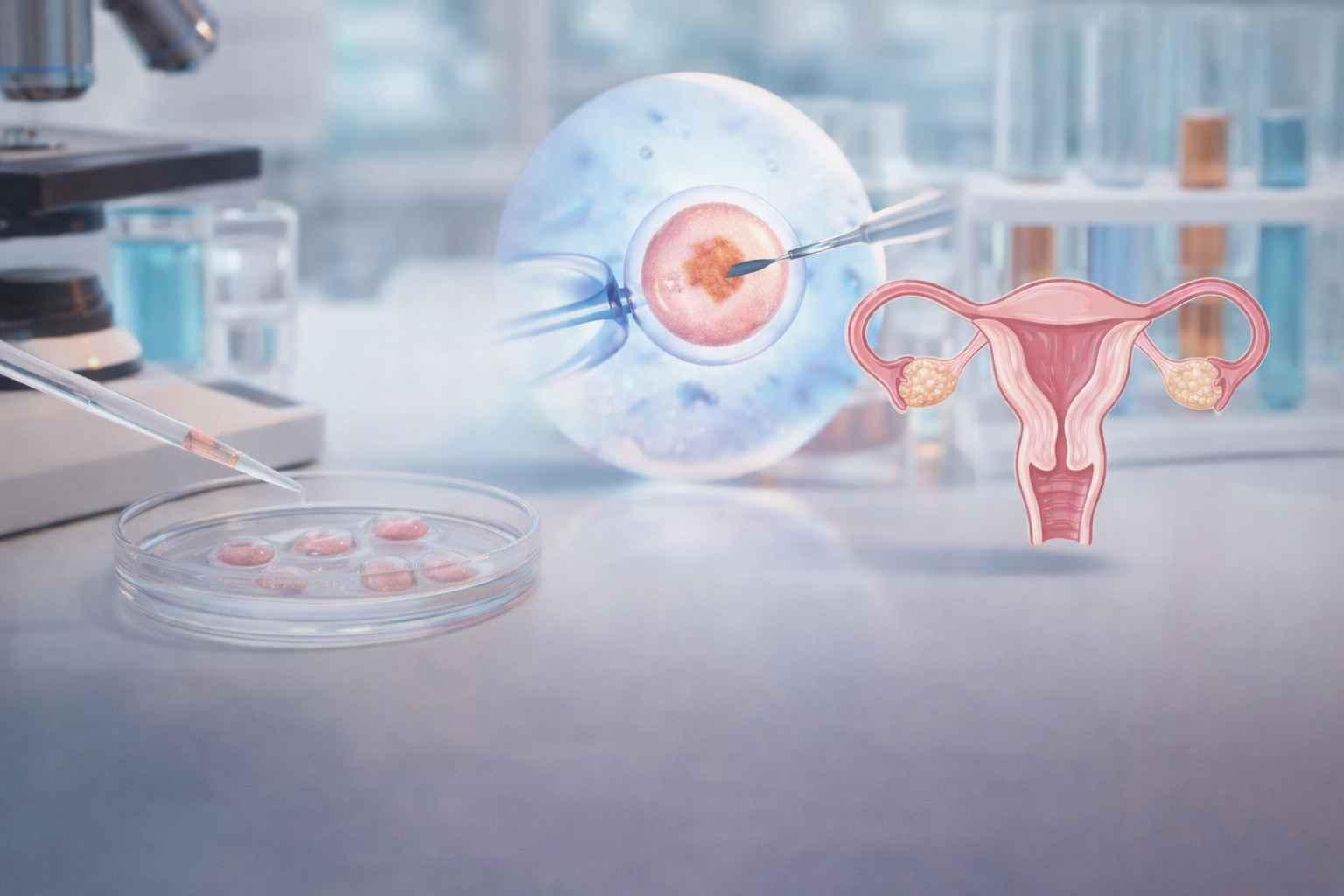
The immune system is simultaneously the most protective and the most complex biological system involved in IVF outcomes. Its role in allowing a genetically foreign embryo to implant and develop within the maternal body represents one of the most remarkable immunological achievements in human biology, and its dysregulation is increasingly recognised as a contributor to unexplained implantation failure and recurrent pregnancy loss in a subset of fertility patients.
Immune testing before or during IVF is an area that generates significant clinical debate precisely because the evidence base for different tests and treatments is uneven, with some immune factors well-characterised and clearly actionable and others remaining in the realm of emerging research with uncertain clinical implications. Understanding which immune tests are most clearly supported by evidence, what each reveals about the implantation environment, and how results from these tests change treatment planning gives couples a more accurate and more clinically grounded perspective on this complex and rapidly evolving aspect of fertility medicine.
Antiphospholipid Antibodies: The Best-Established Immune Test in IVF
Antiphospholipid syndrome is the immune condition with the most clearly established and most consistently replicated association with IVF implantation failure and recurrent pregnancy loss, and testing for antiphospholipid antibodies is the most strongly evidence-supported immune investigation in the fertility context.
Antiphospholipid antibodies, including anticardiolipin antibodies, beta-2 glycoprotein I antibodies, and lupus anticoagulant, target phospholipid-protein complexes and produce a thrombophilic state that impairs placental vasculature development by promoting clot formation in the small vessels of the developing implantation site.
The clinical importance of antiphospholipid testing is that it identifies a treatable cause of implantation failure and pregnancy loss. Women with confirmed antiphospholipid syndrome, defined as persistent positivity on two tests twelve weeks apart combined with clinical criteria, benefit from low-dose aspirin and low molecular weight heparin during IVF cycles and throughout pregnancy in ways that are supported by randomised controlled trial evidence. This makes antiphospholipid testing one of the most clinically productive immune investigations available, because its results directly inform a treatment that is evidence-based and effective.
Testing includes lupus anticoagulant, anticardiolipin IgG and IgM, and beta-2 glycoprotein I IgG and IgM. A single positive result requires confirmation on a repeat test at least twelve weeks later before the diagnosis of antiphospholipid syndrome is made, as transient positivity from infections and other non-pathological causes is common.
Thrombophilia Panel: Genetic Coagulation Factors
Beyond antiphospholipid syndrome, inherited thrombophilias, genetic variants that increase the tendency to form blood clots, have been investigated as potential contributors to implantation failure and pregnancy loss through their effects on the microvasculature of the developing implantation site.
The most commonly tested inherited thrombophilias in the fertility context include Factor V Leiden mutation, prothrombin gene G20210A mutation, protein S deficiency, protein C deficiency, and antithrombin III deficiency.
The association between inherited thrombophilias and early IVF failure, as distinct from mid or late pregnancy complications, is less clearly established than their association with later pregnancy complications such as recurrent miscarriage and placental insufficiency. The evidence for treating inherited thrombophilias with low molecular weight heparin to improve early IVF implantation rates in women without confirmed pregnancy complications is not as strong as for antiphospholipid syndrome.
Current guidance in most reproductive medicine societies supports thrombophilia testing in women with recurrent pregnancy loss, late pregnancy complications such as pre-eclampsia or placental abruption, or a personal or family history of thromboembolic events, but does not support universal thrombophilia testing before a first IVF cycle in women without these risk factors.
Thyroid Autoantibodies and Reproductive Immunity
Thyroid autoimmunity, characterised by elevated anti-thyroid peroxidase and anti-thyroglobulin antibodies, represents the most common autoimmune condition in women of reproductive age and one with directly documented effects on IVF outcomes through mechanisms that extend beyond the thyroid hormone effects discussed in the hormonal testing guide.
Thyroid antibodies impair IVF outcomes through several immunological mechanisms beyond their effects on thyroid hormone levels. They are associated with a broader autoimmune tendency that may affect endometrial immune regulation and the decidualisation response. They are associated with elevated natural killer cell activity in some studies. And they may reflect a systemic immune activation that impairs the tolerogenic immune environment required for successful implantation.
Research has consistently found higher miscarriage rates and lower live birth rates in IVF patients with positive thyroid antibodies even when thyroid hormone levels are within the standard normal range. This finding has prompted investigation of immunomodulatory treatments including selenium supplementation, which has been found in several studies to reduce thyroid antibody levels over time, and low-dose prednisolone, which in some studies has improved IVF outcomes in thyroid antibody positive women.
Thyroid antibody testing belongs in the pre-IVF workup for all women regardless of thyroid hormone status, as discussed in the hormonal testing guide. Its inclusion in the immune testing discussion reflects its bidirectional relevance to both thyroid physiology and reproductive immunology.
Natural Killer Cell Assessment
Natural killer cell testing in the IVF context, discussed in detail in the NK cells and IVF guide in this series, represents one of the most contested areas of reproductive immunology. As described in that guide, peripheral blood NK cell testing and endometrial NK cell biopsy assessment measure related but distinct populations with different clinical implications.
The relevant immune test question in the context of pre-IVF assessment is whether NK cell testing should be performed as part of a standard immune workup or reserved for specific clinical situations such as recurrent implantation failure after good quality embryo transfers.
Current evidence most strongly supports endometrial NK cell assessment through biopsy in women with two or more failed transfers of good quality embryos where other causes have been excluded. Peripheral blood NK cell testing is more accessible but has lower direct relevance to the uterine immune environment, and its clinical utility in the absence of specific indications remains debated.
The treatment implications of elevated NK cell findings, including prednisolone and intralipid as discussed in the NK cells guide, inform the decision about whether testing in the absence of a failed cycle history is worthwhile or whether the test is best deployed after a specific pattern of failure has established the clinical indication.
Cytokine and HLA Testing
Beyond the more established immune tests described above, several emerging immune investigations are available at some fertility centres that target specific aspects of the implantation immune environment.
Cytokine profiling, in which blood or endometrial tissue is assessed for the balance of pro-inflammatory and anti-inflammatory immune signalling molecules, has been proposed as a more detailed characterisation of the immune environment than NK cell testing alone. Elevated pro-inflammatory cytokines including TNF-alpha and interferon-gamma have been associated with implantation failure in some research. Treatment implications remain experimental.
HLA compatibility testing between partners, specifically at the KIR and HLA-C loci that govern NK cell inhibitory signalling between maternal immune cells and paternal HLA-expressing trophoblast cells, has been proposed as a predictor of implantation failure risk. The evidence for HLA testing as a clinically actionable investigation with specific treatment implications remains limited and this is not currently recommended as standard clinical practice in most reproductive medicine guidelines.
Building an Immune Testing Strategy
Given the varying levels of evidence across different immune tests, an intelligent immune testing strategy for IVF patients prioritises investigations whose results are most clearly actionable and whose treatments are most clearly evidence-supported.
For all women approaching IVF, thyroid antibody testing and antiphospholipid antibody testing represent the immune investigations most clearly supported by evidence for their clinical relevance and their treatment implications.
For women with recurrent implantation failure after good quality embryo transfers, adding NK cell assessment through endometrial biopsy, full thrombophilia panel, and where available comprehensive cytokine profiling provides the most complete immune picture of the specific failure pattern.
For women with a personal or family history of autoimmune disease, more comprehensive immune assessment including ANA, anti-dsDNA, complement levels, and disease-specific antibodies appropriate to the relevant condition may be warranted in consultation with a rheumatologist or immunologist.
Connecting with an experienced Best IVF Center in Sikar that approaches immune testing with evidence-based clinical selectivity, applies the most well-supported tests as standard pre-cycle investigations, reserves more specialised immune assessment for patients with specific clinical indications, and integrates immune testing findings into individualised treatment plans ensures that this complex area of fertility medicine is navigated with the clinical rigour and honest evidence appraisal it genuinely requires.
Final Thoughts
Immune testing in IVF is not about finding problems where none exist. It is about identifying the subset of patients in whom immune factors are genuinely contributing to implantation failure and whose outcomes can be meaningfully improved by the treatments those findings indicate. The most productive immune testing strategy focuses investigation where the evidence is strongest and where the results are most directly actionable, building from the well-established foundations of antiphospholipid and thyroid antibody assessment and extending to more specialised investigations when specific clinical indications arise.
For expert immune assessment applied with clinical selectivity and evidence-based interpretation, a trusted ivf clinic in jaipur with genuine reproductive immunology expertise and a commitment to honest, individualised patient guidance gives your IVF treatment the most thorough and most clinically grounded immune assessment available.
Disclaimer: This article is intended for informational purposes only and does not constitute medical advice. Please consult a qualified fertility specialist for guidance tailored to your individual diagnosis and treatment needs.
- Managerial Effectiveness!
- Future and Predictions
- Motivatinal / Inspiring
- Fitness and Wellness
- Medical & Health
- Manufacturing
- Éducation
- Real-Estate
- Food Industry
- Hospitality
- Online Games
- Sports
- Home Services
- Civil Engineering
- Safety and Protection
- Software Products & Services
- Fashion and Jewellery
- Artificial Intelligence
- Entrepreneurship
- Mentoring & Guidance
- Marketing
- Networking
- HR & Recruiting
- Literature
- Shopping
- Career Management & Advancement