

 SkillClick
How Does a Cream Separator Increase Milk Quality?
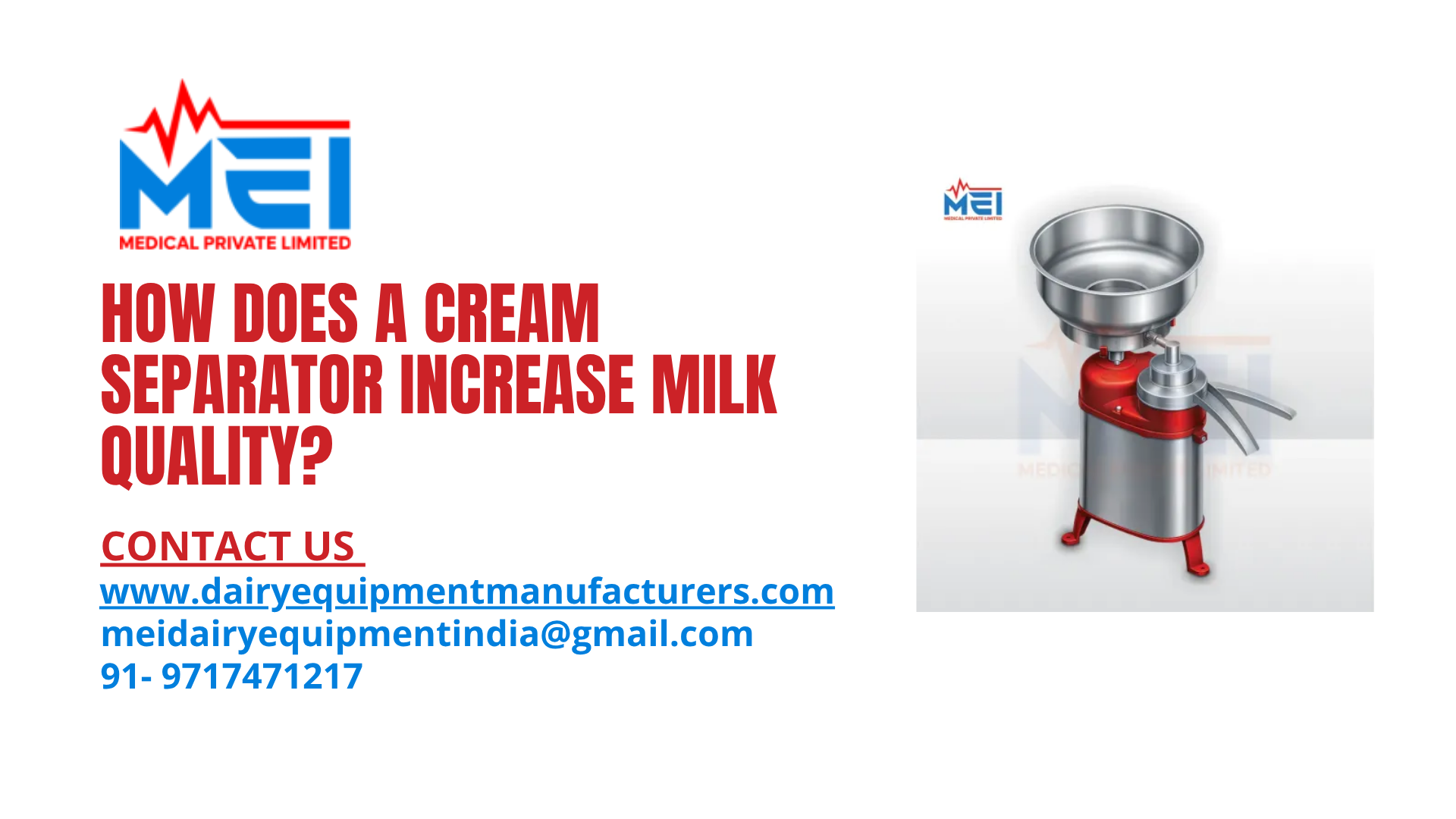
Bad milk quality usually doesn’t start with one big mistake. It starts quietly — uneven fat levels, delayed separation, too much handling, warm milk sitting longer than it should, and then suddenly the final product doesn’t behave the way it should.
That’s where a Cream Separator makes a real difference.
Look, business owners in dairy processing already know milk is sensitive. One small process gap can affect cream recovery, texture, shelf stability, and even buyer confidence. And honestly? Many dairies don’t lose money because they don’t have milk. They lose money because they don’t control it properly.
Why Milk Quality Depends on Better Separation
Milk isn’t just “milk” once it enters processing. It has fat globules, skim content, sediment traces, temperature behavior, and microbial risk depending on how it’s handled. If separation is slow or inconsistent, the cream quality changes. The skim milk output changes too.
I’ve seen small dairy units depend on manual settling or outdated equipment and then wonder why their cream thickness keeps changing batch after batch.
It’s not guesswork. It’s process control.
A good Cream Separator helps separate cream from milk faster and more uniformly using centrifugal force. That means less waiting, less exposure time, and better control over fat separation. For a business owner, that directly affects product consistency — whether you’re selling cream, butter, ghee, paneer inputs, or skim milk.
A Cream Separator Helps Maintain Fat Consistency
Here’s the thing most people underestimate: buyers notice inconsistency.
Maybe they don’t explain it technically. But they’ll say things like “last batch was better,” or “this cream feels lighter,” or “the ghee yield is not matching.” That’s usually a fat control issue.
With a properly selected Cream Separator, the separation process becomes more predictable. You can manage cream thickness better, reduce random variation, and keep output closer to your required fat percentage.
No machine can fix poor-quality raw milk.
But it can stop good milk from being wasted through poor handling.
Less Manual Handling Means Cleaner Processing
Every extra touchpoint increases risk. Buckets, open vessels, slow transfer, manual skimming — these things look normal in many small and mid-sized dairies, but they quietly affect hygiene.
And that’s where many businesses get it wrong.
A Cream Separator reduces unnecessary manual handling. Milk goes into the machine, separation happens quickly, and cream and skim milk come out through separate outlets. It’s cleaner, faster, and more controlled than open manual separation.
If your team is already checking acidity, fat percentage, SNF, or using a milk analyzer, then adding proper separation equipment supports that quality system. It doesn’t replace testing. It supports it.
Better Cream Recovery Improves Product Value
Let’s be real — cream is money.
If fat recovery is poor, you’re leaving value inside skim milk. That may not look big in one batch, but over weeks and months, it adds up. For dairies producing ghee, butter, khoa, sweets, or high-fat dairy products, efficient cream recovery matters a lot.
Reliable Cream Separator Manufacturers usually focus on bowl design, RPM stability, food-grade contact parts, and easy cleaning. These things sound technical, but they affect real production results.
Poor separation gives you unclear output.
Good separation gives you usable cream.
What Good Cream Separator Manufacturers in India Usually Get Right
Not every machine is built for the same workload. A small dairy farm, a collection center, and a commercial processing unit don’t need the same capacity.
Good Cream Separator Manufacturers in India usually understand this difference. They’ll help you choose based on milk volume, fat requirement, operating hours, cleaning needs, and maintenance support.
You should look at:
- Stainless steel contact parts
- Stable motor performance
- Easy dismantling and cleaning
- Suitable capacity for your daily milk volume
That’s it. Don’t overcomplicate it.
But don’t buy only on price either. A cheap separator that shakes, heats, clogs, or gives uneven output will cost you more later.
How Cream Separator Suppliers Support Quality After Purchase
A machine is only useful when it keeps working properly.
This is why choosing the right Cream Separator Suppliers matters almost as much as choosing the machine itself. You need proper installation guidance, spare availability, operating instructions, and support when something goes off.
I’ve seen owners buy equipment from random sellers, then struggle for small parts like rubber seals, discs, outlets, or motor components. Production stops for something that should’ve been simple.
That’s painful.
Professional Cream Separator Suppliers in India usually provide better after-sales support, explain cleaning routines, and help match the machine to your actual production requirement. That support protects milk quality because the machine stays in proper working condition.
FAQs
How does a Cream Separator improve milk quality?
Using a Cream Separator leads to improvements in milk quality. This is because the Separator reduces the need for handling the milk. It enables the separator to improve the control of fat as well, all while ensuring the processing of the dairy is done in a clean manner.
Can a cream separator remove impurities from milk?
A cream separator is intended for the separation of cream from milk. The cream separator can also help in the reduction of the milk impurities or sediments by some extent. However, to achieve a proper milk quality, the filtration and the pasteurization and an adequate quality test of the milk is still essential.
Is a cream separator useful for small dairy businesses?
Definitely. The separator is able to help small dairy firms by improving the recovery of the cream, reducing the wastage of the cream, and helping with the consistency of the product, all without the need for manual cream separation.
What should I check before buying a cream separator?
Check capacity, material quality, motor stability, cleaning process, spare part availability, and supplier support. Don’t choose only by price.
Final Thought
A Cream Separator doesn’t magically turn poor milk into premium milk. That’s not how dairy works. But when your raw milk is good and your process needs control, it can protect quality, improve cream recovery, and make your output more consistent. For serious dairy businesses, that’s not just equipment — it’s process discipline.
- Managerial Effectiveness!
- Future and Predictions
- Motivatinal / Inspiring
- Fitness and Wellness
- Medical & Health
- Manufacturing
- Education
- Real-Estate
- Food Industry
- Hospitality
- Online Games
- Sports
- Home Services
- Civil Engineering
- Safety and Protection
- Software Products & Services
- Fashion and Jewellery
- Artificial Intelligence
- Entrepreneurship
- Mentoring & Guidance
- Marketing
- Networking
- HR & Recruiting
- Literature
- Shopping
- Career Management & Advancement