

 SkillClick
How Preventive Care Can Help Avoid Expensive Pet Surgeries
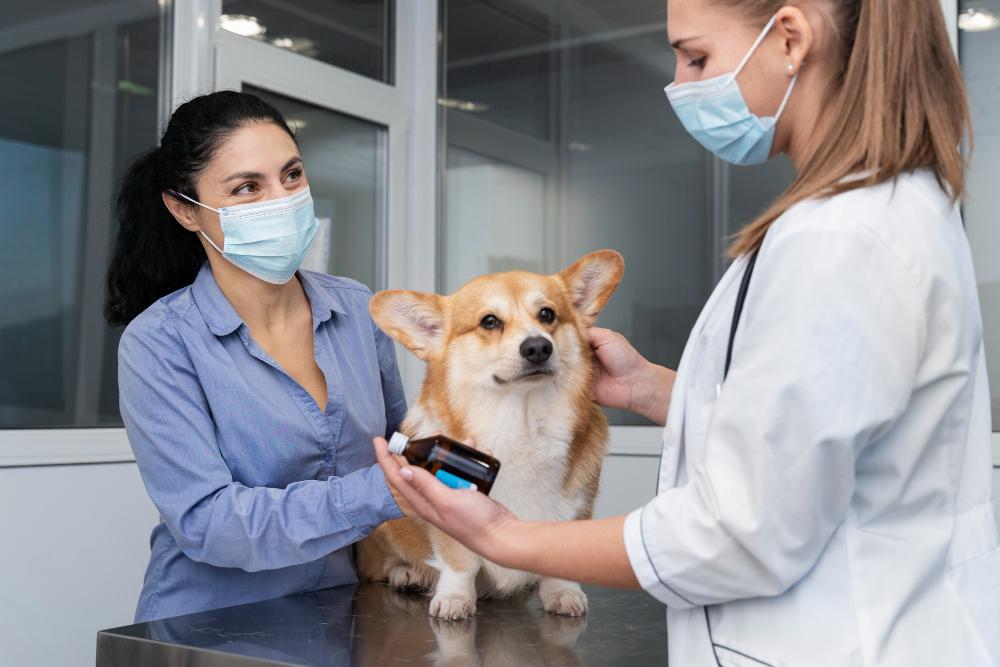
Nobody wants to hear their veterinarian say their pet needs surgery. It’s stressful, emotional, and honestly expensive too. What surprises many owners, though, is that a lot of major procedures start as smaller health issues that could have been managed much earlier. That’s something many vets in Virginia Beach talk about often with pet owners. Beach talk about often with pet owners.
Preventive care is really about catching problems before they become serious. Instead of waiting until a pet is in pain or struggling physically, routine care helps identify issues early while they’re still manageable.
And the difficult part? Pets are incredibly good at hiding discomfort. A dog can still wag its tail while dealing with dental pain, and a cat may continue acting “normal” even when something serious is developing internally.
What Does Preventive Care Actually Include?
Preventive care covers more than people sometimes realize. It’s not just vaccines once a year and a quick checkup.
Routine wellness exams, bloodwork, parasite prevention, dental cleanings, weight management, nutrition guidance, and early screenings all fall under preventive care. Individually, these things may seem small. Together, though, they can dramatically reduce the risk of severe illness and complicated surgeries later on.
The goal is simple: identify concerns early before they become painful, dangerous, or expensive.
How Do Small Problems Turn Into Surgical Problems?
This happens more often than many pet owners expect.
A mild dental infection becomes advanced tooth decay. A small untreated lump grows larger over time. Extra weight slowly damages joints until a ligament tears. None of these problems usually happen overnight, which is exactly why preventive care matters so much.
At a Virginia veterinary clinic, veterinarians often see conditions that could have been treated much more easily months earlier. Unfortunately, pets can continue eating, playing, and acting relatively normal while health problems quietly worsen underneath.
That delay is what often turns manageable conditions into surgical cases.
Why Does Dental Care Matter So Much?
Dental disease is one of the biggest overlooked health issues in pets. Many owners assume bad breath is normal, but it’s often a sign of infection or gum disease.
Without treatment, dental problems can lead to painful abscesses, loose teeth, bone damage, and multiple tooth extractions. And honestly, advanced dental surgery becomes expensive very quickly.
Routine cleanings and oral exams help prevent those complications before they progress too far. Many owners are shocked by how much happier and more energetic their pets seem after proper dental care.
How Does Weight Affect Surgery Risk?
Extra weight places constant pressure on joints, ligaments, and internal organs. Over time, that stress increases the risk of arthritis, spinal problems, hip issues, and ligament tears.
Orthopedic surgeries are often among the most expensive veterinary procedures. What makes this frustrating is that even small amounts of weight gain can contribute to long-term joint damage.
Maintaining a healthy weight through proper nutrition and regular activity may help pets avoid years of discomfort and potentially avoid surgery altogether.
Why Are Routine Exams and Bloodwork So Valuable?
Routine checkups often catch subtle problems before owners notice symptoms at home.
During exams, veterinarians may identify early joint stiffness, abnormal lumps, heart murmurs, skin conditions, or weight changes. Bloodwork can also reveal hidden issues like kidney disease, liver problems, diabetes, or thyroid disorders long before pets appear visibly sick.
Especially for senior pets, these screenings become incredibly important because many diseases progress silently at first.
FAQs
Can preventive care completely prevent surgery?
No, not always. Some injuries, illnesses, and genetic conditions happen despite excellent care. But preventive medicine often reduces the severity of problems and improves early detection.
How often should pets visit the veterinarian?
Most healthy adult pets should have yearly exams, while senior pets often benefit from checkups every six months.
Does dental care really help avoid surgery?
Yes. Routine dental cleanings may prevent severe infections, extractions, and advanced oral procedures later.
Is preventive care cheaper than emergency treatment?
Almost always. Preventive care is typically far less expensive than emergency surgery, hospitalization, or long-term treatment.
Why do healthy-looking pets still need bloodwork?
Many illnesses develop quietly before visible symptoms appear. Blood tests help detect problems earlier when treatment is usually easier.
Final Thoughts
Preventive care may not feel dramatic or urgent, but honestly, that’s exactly why it works. Small routine steps checkups, vaccines, bloodwork, dental care, and weight management quietly protect pets from much bigger problems down the road.
No pet owner can prevent every illness or injury. But staying proactive gives pets a much better chance at living healthier, more comfortable lives without unnecessary pain or major surgery whenever possible.
- Managerial Effectiveness!
- Future and Predictions
- Motivatinal / Inspiring
- Fitness and Wellness
- Medical & Health
- Manufacturing
- Ausbildung
- Real-Estate
- Food Industry
- Hospitality
- Online Games
- Sports
- Home Services
- Civil Engineering
- Safety and Protection
- Software Products & Services
- Fashion and Jewellery
- Artificial Intelligence
- Entrepreneurship
- Mentoring & Guidance
- Marketing
- Networking
- HR & Recruiting
- Literature
- Shopping
- Career Management & Advancement