

 SkillClick
Lot Clearing 101: How to Properly Prep Land for Your New Build
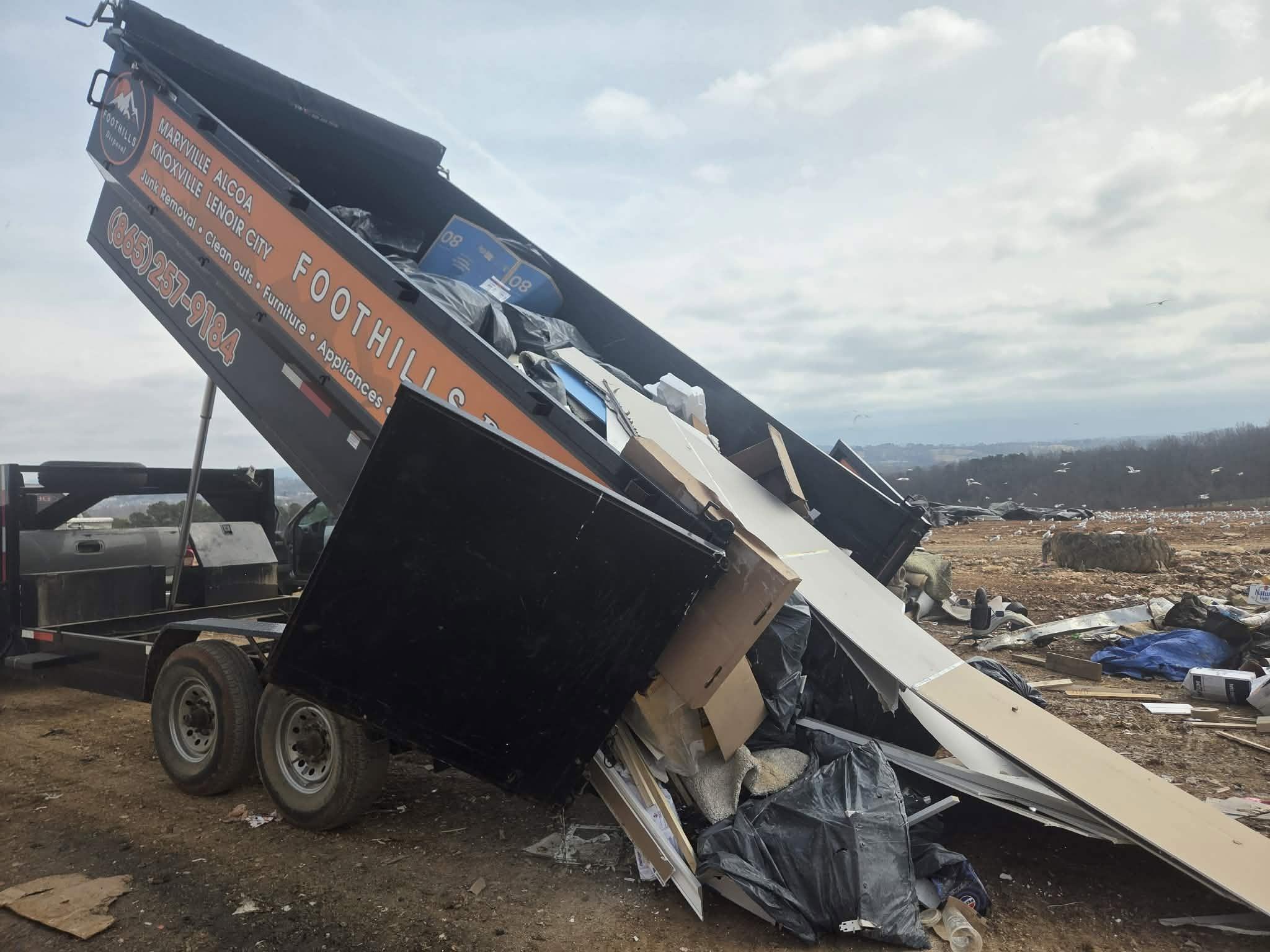
Raw land rarely comes without complications. Even a parcel that appears straightforward — a cleared field with established road access and available utilities — typically has some combination of buried debris, root systems from removed trees, drainage issues, or grade inconsistencies that must be addressed before a foundation can be engineered and poured. And land that comes with existing structures, mature vegetation, or historical use adds further layers of complexity.
Lot clearing is the collection of processes that transforms a piece of land — in whatever condition it is currently in — into a properly prepared building site. When executed correctly, it sets the foundation (literally and figuratively) for every phase of construction that follows. When rushed or done incompletely, the consequences can surface months or years into a new build's life: unexpected drainage problems, foundation settlement from improperly managed soil, hidden debris creating voids below grade, or root systems from insufficiently removed trees that eventually damage underground infrastructure.
This guide covers the full scope of lot clearing for new residential and light commercial construction — what the process involves, how it is sequenced, what the most common mistakes look like, and what property owners and developers should know before the first piece of equipment arrives on site.
Phase One: Pre-Clearing Assessment and Planning
The single most important investment in lot clearing is the work that happens before any equipment touches the ground. A thorough pre-clearing assessment identifies what is on the site, what is beneath it, and what the regulatory environment requires before and after the work is done.
Survey and Boundary Confirmation
Before any vegetation or structures are removed, confirming the precise boundaries of the parcel is essential. Survey errors that go uncorrected before clearing can result in removal of vegetation or structures on neighboring parcels — a dispute that creates legal exposure and may require costly remediation. If the parcel has not been surveyed recently, commissioning an updated boundary survey before clearing begins is the correct sequence.
Geotechnical and Soil Assessment
Understanding the soil conditions beneath the surface of a lot directly affects how the foundation can be engineered and what site preparation the building phase will require. A geotechnical investigation — which typically involves drilling or boring at several locations on the site — produces a soil report that characterizes the soil layers, identifies groundwater depth, and makes recommendations about foundation type and soil improvement measures.
Discovering unsuitable soil conditions (expansive clays, organic material, fill with large voids) after a foundation design has been finalized and a contractor has been selected is expensive. Discovering them before lot clearing allows the soil improvement scope to be incorporated into the clearing work rather than treated as a change order later.
Environmental and Regulatory Review
Lot clearing triggers regulatory review in several contexts:
Wetlands. Federal regulations under Section 404 of the Clean Water Act, administered by the Army Corps of Engineers, restrict clearing and filling in jurisdictional wetlands. State-level wetland regulations may be more stringent. Clearing wetland vegetation or filling wetland areas without the required permits creates serious legal exposure. A wetland delineation by a qualified wetland scientist, performed before clearing, identifies what can and cannot be disturbed.
Tree removal permits. Many municipalities require permits for removal of trees above specified size thresholds, particularly on commercial properties or in designated sensitive areas. Confirming permit requirements with the local jurisdiction before clearing prevents costly citations and remediation requirements.
Stormwater management. Most jurisdictions require a stormwater pollution prevention plan (SWPPP) for land disturbance above a certain area threshold. This plan addresses how the site will manage sediment and runoff during the clearing and construction process and is typically required before a grading or clearing permit is issued.
Phase Two: Structure and Infrastructure Removal
For lots with existing structures — whether a house, outbuilding, old commercial building, or manufactured home — removal of those structures is the first physical phase of lot clearing.
Utility Disconnection
All utilities serving existing structures must be properly disconnected before demolition proceeds. This includes electrical service at the meter (typically requiring the utility company), natural gas or propane, water supply, and sewer or septic connections. The sequencing of these disconnections with each respective utility provider requires lead time — often two to four weeks in total — that must be built into the project schedule.
For properties on private utilities — wells and septic systems — the disconnection process is more complex. Wells may need to be sealed according to state well abandonment standards. Septic systems may need to be formally abandoned through the county health department, including pumping, collapsing or filling the tank, and documentation.
Hazardous Material Abatement
Structures built before 1981 require inspection for asbestos-containing materials before demolition. Structures built before 1978 require assessment of lead-based paint conditions. Federal NESHAP regulations make asbestos inspection and abatement a legal prerequisite for demolition of regulated structures, not a discretionary step. Licensed abatement contractors must perform this work under specific containment and disposal protocols.
Structural Demolition
With utilities disconnected and hazardous materials addressed, structural demolition can proceed. For standard residential structures, an excavator with demolition attachments typically completes the demolition of the above-grade structure in one to two days. Concrete foundations, slabs, and subsurface structures are removed in the subsequent phase.
Before foundations can be poured, clearing away old concrete slabs, buried footings, and any below-grade structural remnants requires specialized heavy equipment capable of fracturing and loading dense material efficiently. Coordinating this work with the new foundation design — understanding what below-grade clearance the engineer requires — ensures the site is prepared to the correct depth without unnecessary over-excavation.
Phase Three: Vegetation Clearing and Root Management
For lots with significant tree cover, vegetation clearing is a major component of the lot preparation scope. This phase is more complex than simply cutting trees down — it requires thinking through the implications of root systems, debris management, and long-term site stability.
Tree Removal and Stump Grinding
Trees scheduled for removal are cut and their trunks are either processed through a chipper, cut into logs, or loaded and hauled away. But the stump and root system beneath represent a more significant long-term consideration.
Root systems from large trees extend well beyond the drip line of the canopy — sometimes two to three times the crown diameter. Roots left in the ground decay over time, but the decay process creates voids. Beneath a building slab or within a foundation's zone of influence, these voids can cause settlement as they collapse. Underneath paved surfaces, root decay can create subsidence that leads to cracking.
For the building footprint and the area of paved surfaces, proper stump removal — grinding to a depth sufficient to remove the material that will decay and create voids — is the appropriate approach. For areas outside the building footprint that will be landscaped, allowing stumps to decay in place is sometimes acceptable, but this should be evaluated based on the tree species (some species decay quickly; others persist for decades), the size of the root system, and the sensitivity of what will be built or planted above.

Brush and Vegetation Debris Management
Clearing significant tree cover generates substantial volumes of woody debris. This material is typically managed through one of several approaches:
Chipping on site produces wood chip material that can be used as ground cover, incorporated into areas that will be landscaped, or hauled away if the volume exceeds what the site can productively use. Chip trucks process large volumes of branch material efficiently.
Open burning is an option in jurisdictions where it is permitted, but regulatory requirements around burning permits, air quality restrictions, and distance from structures and property lines govern whether and how this approach is used. Many suburban and peri-urban jurisdictions have significantly restricted or eliminated burning as a debris management option.
Hauling is the most universally applicable option but generates significant disposal costs at volume. Large-scale clearing projects produce debris volumes — measured in dozens of cubic yards — that translate to multiple truck trips.
For a team managing site preparation and debris removal on a new construction project, coordinating the debris management approach with the clearing contractor at the planning stage prevents situations where debris accumulates faster than it can be processed, creating site access and safety issues.
Phase Four: Grading, Compaction, and Drainage Engineering
With structures removed and vegetation cleared, the site is prepared for the grading work that establishes its final elevation, slope, and drainage character — the conditions under which the building will be constructed and will function.
Rough Grading
Rough grading establishes the approximate finished elevation of the site. This involves cutting material from high points and filling low points to achieve the grades required by the site plan. The goal is a site that drains water away from the building footprint and toward designated drainage features.
The elevation of the finished floor of the building — and by extension the elevation of the foundation — is typically established in relation to base flood elevation (if applicable), the depth of frost penetration (which determines foundation depth requirements), and the site's drainage relationship to adjacent streets and properties.
Soil Compaction and Improvement
Fill material placed during rough grading must be compacted to the density specified by the geotechnical engineer. Improperly compacted fill settles differentially under building loads, causing structural distress. Compaction is verified through field testing — typically nuclear density testing or sand cone tests — to confirm that the material meets specification before the foundation is placed.
When the natural soil at the site is unsuitable for supporting foundation loads (soft clay, organic material, loose sand), soil improvement measures may be required. Options include over-excavation and replacement with engineered fill, lime or cement stabilization of in-place soil, or geosynthetic reinforcement. The geotechnical report provides the basis for which approach is appropriate for the specific site conditions.
Drainage Design and Installation
Stormwater drainage infrastructure — including swales, culverts, catch basins, and underground storm drain pipe — is typically installed during the lot clearing and grading phase, before the building's foundations are placed. This sequencing allows drainage features to be properly located relative to the final site grades without working around the constraints of an existing foundation.
Inadequate drainage is one of the most common site planning failures in residential construction, and it is almost always more expensive to correct after the fact than to design correctly during the clearing phase.
Phase Five: Site Access and Staging Preparation
Before construction begins in earnest, the cleared and graded site needs physical infrastructure to support the construction process.
Construction Entrance
A stabilized construction entrance — typically a pad of crushed stone at the site's main access point — prevents construction equipment from tracking mud and debris onto public streets. This is often a requirement under stormwater pollution prevention plans and is a practical necessity for maintaining site access through wet weather conditions.
Erosion Control Installation
Silt fence, erosion control blankets, and sediment basins protect adjacent properties and waterways from sediment-laden runoff during construction. These controls are typically required as a permit condition and must be maintained throughout the construction period.
Utility Stub-In Coordination
New utility connections — electrical, natural gas, water, and sewer — are typically installed during the site preparation phase, ahead of foundation work. Coordinating with each utility to establish the service entrance location, meter location, and point of connection ensures these elements are properly incorporated into the foundation and building design.
Common Mistakes in Lot Clearing
Several mistakes appear consistently in lot clearing projects that do not proceed as planned:
Removing trees before confirming permit requirements. Tree removal in some jurisdictions without required permits creates fines and remediation requirements — including mandatory replanting at significant cost. Confirming permit requirements before any trees are removed is the correct sequence regardless of how confident the property owner is that permits are not needed.
Skipping the geotechnical investigation. The cost of a geotechnical investigation is modest compared to the cost of foundation redesign or soil remediation discovered after construction is underway.
Not accounting for root system management in the building footprint. Trees removed from a building footprint without adequate stump grinding and root zone management create long-term settlement risks.
Treating utility disconnection as someone else's responsibility. Without explicit scope assignment in the contractor agreement, utility disconnection can fall through the cracks, creating project delays when demolition cannot proceed due to active services.
Conclusion
Lot clearing is the foundation of every successful new construction project — sometimes literally. The decisions made during the pre-clearing assessment, the quality of hazardous material and structural removal, the depth and completeness of vegetation clearing, and the engineering rigor of grading and drainage work determine the conditions that every subsequent phase of construction will build upon.
Investment in thorough, properly sequenced lot clearing is returned many times over in a construction process that proceeds without the delays, unexpected costs, and long-term performance issues that inadequately prepared sites generate.
- Managerial Effectiveness!
- Future and Predictions
- Motivatinal / Inspiring
- Fitness and Wellness
- Medical & Health
- Manufacturing
- Education
- Real-Estate
- Food Industry
- Hospitality
- Online Games
- Sports
- Home Services
- Civil Engineering
- Safety and Protection
- Software Products & Services
- Fashion and Jewellery
- Artificial Intelligence
- Entrepreneurship
- Mentoring & Guidance
- Marketing
- Networking
- HR & Recruiting
- Literature
- Shopping
- Career Management & Advancement