

 SkillClick
What Happens When Lock Maintenance Is Igned for Too Long
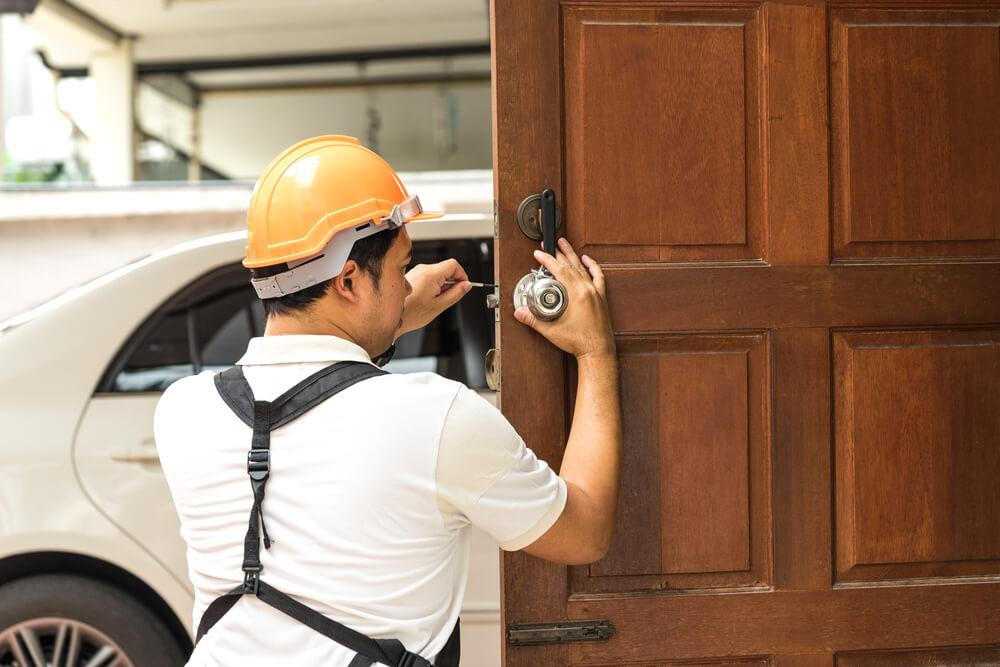
Locks are one of the most frequently used parts of any property, yet they are often the most neglected. Every day, keys are inserted, turned, and removed without a second thought. As long as the lock works, it rarely gets attention.
But like any mechanical system, a lock is not designed to function perfectly forever without care.
Over time, small internal changes begin to occur. These changes are gradual, almost unnoticeable at first. Because the lock continues to function, most property owners assume everything is fine.
This assumption is where the real problem begins.
In a demanding environment like Dubai, where locks are used frequently and exposed to heat and dust, ignoring lock maintenance for too long can lead to serious performance issues, unexpected failures, and long-term security risks.
Why Lock Maintenance Is Often Overlooked
Unlike other systems in a property, locks do not demand attention immediately.
There are no alerts, no visible indicators, and no reminders. A lock either works or it does not. This creates a false sense of reliability.
As long as the key turns and the door opens, the system appears functional.
However, functionality does not always mean reliability.
Inside the lock, components may already be wearing down, misaligning, or accumulating debris. These internal changes are hidden, making them easy to ignore.
The Gradual Decline of Lock Performance
Locks do not fail suddenly. They degrade over time.
Every time a key is used, internal pins move into position. Springs compress and release. Metal surfaces come into contact with each other.
This repeated movement creates friction.
Friction leads to wear.
Over time, this wear causes:
- Reduced precision
- Increased resistance
- Inconsistent operation
At first, the difference is subtle. The lock still works, but it no longer feels as smooth.
Eventually, the changes become noticeable.
Early Signs of Ignored Maintenance
Before a lock fails completely, it usually shows warning signs.
These signs include:
- The key feels tight or rough when turning
- The lock does not engage smoothly
- The door requires extra effort to close
- The key does not align properly inside the lock
These are not random issues. They are indicators that the system is under stress.
Ignoring these signs allows the problem to develop further.
The Role of Dust and Debris
In Dubai, dust is a constant factor.
Fine particles can enter the lock mechanism through daily use. Once inside, they settle between internal components and increase friction.
This creates resistance.
Over time, debris buildup can:
- Block smooth movement
- Cause internal wear
- Reduce lock efficiency
Without proper cleaning, this buildup continues to grow.
Heat and Material Expansion
Heat also plays a role in lock performance.
High temperatures can cause slight expansion in both doors and lock components. Even a small change in size can affect alignment.
Misalignment places additional stress on the lock.
This leads to faster wear and reduced reliability.
How Lack of Maintenance Affects Security
A poorly maintained lock is not just a performance issue. It is a security risk.
When internal components wear out, the lock may not engage fully. This reduces its ability to secure the door properly.
In some cases, the lock may appear closed but not actually be secure.
This creates a gap between perception and reality.
Security is not just about having a lock. It is about how effectively that lock performs.
Increased Risk of Lock Failure
One of the most serious consequences of ignoring lock maintenance is failure.
A lock that has been under stress for a long time may stop working suddenly.
This can result in:
- Being locked out
- Being unable to secure the door
- Damage to the key or lock
These situations often occur at the most inconvenient times.
The Problem of Key Wear
Keys are directly affected by lock condition.
A poorly maintained lock creates additional friction. This friction wears down the key faster.
As the key loses its shape, it becomes less effective.
This creates a cycle:
- Worn lock damages the key
- Worn key damages the lock
Over time, both components become unreliable.
Why Forcing the Lock Makes Things Worse
When a lock becomes difficult to use, many people try to force it.
This approach often leads to more damage.
Applying pressure can:
- Break the key inside the lock
- Damage internal components
- Increase alignment issues
A lock should operate smoothly. Resistance is a sign that something needs attention.
Temporary Fixes vs Proper Maintenance
Some people attempt quick fixes when a lock becomes difficult to use.
They may apply lubrication or adjust the door slightly. While this may improve performance temporarily, it does not address the root cause.
Proper maintenance involves:
- Cleaning internal components
- Ensuring correct alignment
- Identifying worn parts
Without these steps, the problem will return.
Long-Term Cost of Ignoring Maintenance
Ignoring maintenance does not eliminate the problem. It delays it.
Over time, minor issues become major ones. What could have been resolved easily becomes more complex.
This leads to:
- Higher repair costs
- More inconvenience
- Increased risk of failure
Taking action early is always more efficient.
Real-Life Scenarios
A homeowner notices that their key feels slightly tight but continues using it. Over time, the lock becomes difficult to operate.
An office lock experiences heavy usage but is never maintained. Eventually, it fails during working hours.
A tenant ignores small alignment issues until the door no longer locks properly.
In each case, the problem started small but developed into a larger issue.
Why Consistency Matters
A lock should perform consistently.
You should not have to adjust your key, apply extra pressure, or try multiple times to make it work.
Inconsistent performance is a clear sign that maintenance is needed.
Consistency ensures both convenience and security.
Preventing Lock Problems Through Maintenance
Regular maintenance helps prevent most lock issues.
Simple steps include:
- Keeping the lock clean
- Using proper lubrication when needed
- Avoiding excessive force
- Checking alignment periodically
These actions help maintain smooth operation.
The Importance of Early Action
Addressing issues early prevents them from becoming serious.
Small adjustments can restore performance before damage occurs. Waiting too long increases the complexity of the problem.
Early action ensures that the lock remains reliable.
The Link Between Maintenance and Security Confidence
Security is not just physical. It is also psychological.
When your lock works smoothly, you feel confident. You trust the system.
When it becomes inconsistent, that confidence is reduced.
Maintaining your lock ensures both physical security and peace of mind.
When to Take Immediate Action
There are situations where immediate attention is necessary:
- The lock stops responding
- The key becomes difficult to use
- The door does not secure properly
- The lock feels unstable
These signs indicate that the problem has progressed.
Lock Maintenance as a Long-Term Strategy
Maintenance is not just about fixing issues. It is about preventing them.
A well-maintained lock lasts longer, performs better, and provides consistent security.
Ignoring maintenance leads to the opposite.
When Should You Call a Locksmith Dubai Professional?
You should contact a Locksmith Dubai professional when your key becomes hard to turn, your lock feels loose, the door does not close properly, or the lock starts behaving differently than usual. These small warning signs can point to internal wear, alignment problems, or dust buildup inside the lock mechanism.
A skilled Dubai locksmith can inspect the lock, clean the internal parts, adjust the alignment, repair damaged components, or recommend replacement if the lock is no longer secure. This helps avoid sudden lockouts, broken keys, and higher repair costs later.
Frequently Asked Questions
Why do locks fail over time
Because of friction, wear, and environmental factors.
Can maintenance prevent all lock problems
It can prevent most issues and extend the life of the lock.
Is lubrication enough
No, proper maintenance involves more than lubrication.
Why is maintenance important in Dubai
Heat and dust accelerate wear.
Final Thoughts
Locks are essential to everyday life, yet they are often overlooked until something goes wrong.
Ignoring maintenance allows small issues to grow into larger problems. Over time, this leads to reduced performance, increased risk of failure, and compromised security.
In a city like Dubai, where environmental conditions and daily usage place additional pressure on lock systems, regular lock maintenance becomes even more important.
Taking care of your lock is not just about keeping it functional. It is about ensuring long-term reliability, consistent performance, and true security.
Sometimes, the smallest systems require the most attention.
- Managerial Effectiveness!
- Future and Predictions
- Motivatinal / Inspiring
- Fitness and Wellness
- Medical & Health
- Manufacturing
- Education
- Real-Estate
- Food Industry
- Hospitality
- Online Games
- Sports
- Home Services
- Civil Engineering
- Safety and Protection
- Software Products & Services
- Fashion and Jewellery
- Artificial Intelligence
- Entrepreneurship
- Mentoring & Guidance
- Marketing
- Networking
- HR & Recruiting
- Literature
- Shopping
- Career Management & Advancement