

 SkillClick
Air Purifier Market Pain Points Limiting Consumer Adoption, Product Efficiency, and Market Expansion
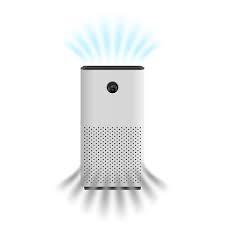
Air Purifier Market Pain Points begin with the high cost of advanced air purification systems. Devices equipped with HEPA filtration, smart connectivity, AI-based monitoring, and multi-stage purification often come at premium prices. This limits adoption in price-sensitive regions and restricts penetration in lower-income households.
Recurring Maintenance and Filter Replacement Burden
A major pain point for consumers is the ongoing maintenance requirement. Air purifiers need regular filter replacements and servicing to maintain efficiency. These recurring costs can become expensive over time, discouraging long-term usage and reducing customer satisfaction.
Inconsistent Performance Across Environments
Air purifier performance can vary depending on room size, pollution levels, ventilation conditions, and usage patterns. Many consumers experience dissatisfaction when devices fail to deliver expected results in heavily polluted or large indoor spaces, creating trust issues in product effectiveness.
Limited Consumer Awareness and Misunderstanding
In many regions, awareness about indoor air pollution and its health impacts remains low. Consumers may not fully understand how air purifiers work or when they are needed. This lack of awareness slows adoption and reduces perceived necessity.
Noise Levels Affecting User Comfort
Operational noise is another significant pain point, especially for residential users. Some air purifiers generate noticeable sound at higher fan speeds, making them less suitable for bedrooms, study areas, and office environments where quiet operation is preferred.
Energy Consumption Concerns
Consumers are increasingly concerned about electricity usage and long-term operating costs. Air purifiers that consume higher energy can be less attractive, especially in regions where power costs are relatively high. This creates hesitation in continuous usage.
Product Trust Issues Due to Low-Quality Offerings
The presence of low-quality or counterfeit products in the market creates confusion and mistrust among consumers. Poor-performing devices that fail to effectively improve air quality can negatively impact the overall perception of the industry.
Space and Placement Limitations
In smaller homes and apartments, space constraints can become a challenge. Larger air purifier models may not fit easily into compact living environments, while smaller devices may not provide sufficient coverage, creating a trade-off between size and performance.
Filter Availability and Replacement Accessibility
In some regions, difficulty in accessing compatible replacement filters can become a practical pain point. Delays or high costs associated with filter procurement can reduce product usability and long-term satisfaction.
- Managerial Effectiveness!
- Future and Predictions
- Motivatinal / Inspiring
- Fitness and Wellness
- Medical & Health
- Manufacturing
- Education
- Real-Estate
- Food Industry
- Hospitality
- Online Games
- Sports
- Home Services
- Civil Engineering
- Safety and Protection
- Software Products & Services
- Fashion and Jewellery
- Artificial Intelligence
- Entrepreneurship
- Mentoring & Guidance
- Marketing
- Networking
- HR & Recruiting
- Literature
- Shopping
- Career Management & Advancement