

 SkillClick
Corn Silage Production Cost Analysis: Key Factors Influencing Manufacturing Economics
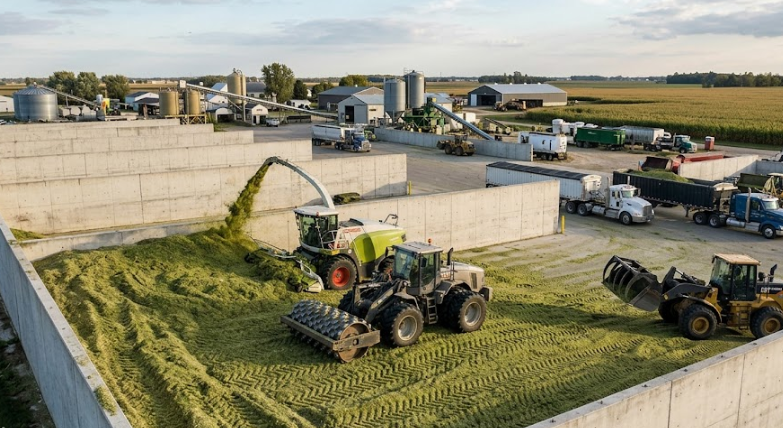
Understanding corn silage production cost analysis has become increasingly important for agricultural processors, livestock integrators, and industrial planners. As global demand for animal feed continues to rise, corn silage plays a critical role in ensuring consistent, high-quality nutrition for dairy and beef production systems.
At the same time, manufacturers and investors face growing challenges:
- Supply chain disruptions affecting seed, fertilizer, and machinery costs
- Volatility in energy prices impacting harvesting and storage operations
- Climate variability influencing yield and input efficiency
In this context, a detailed corn silage production cost analysis provides essential insights for optimizing operations, managing risks, and improving profitability.
Overview of Corn Silage Manufacturing
Corn silage production is an agricultural-industrial process that involves harvesting, processing, and fermenting whole corn plants to create a stable and digestible feed product.
Basic Production Process
The manufacturing flow typically includes:
- Cultivation and Growth
- Selection of hybrid corn varieties
- Application of fertilizers and irrigation
- Harvesting
- Conducted at optimal moisture levels (typically 60–70%)
- Use of forage harvesters to chop entire plants
- Chopping and Processing
- Size reduction to improve compaction and fermentation
- Kernel processing to enhance digestibility
- Ensiling (Fermentation)
- Storage in silos, bunkers, or bags
- Anaerobic fermentation converts sugars into lactic acid
- Storage and Distribution
- Preservation for long-term use
- Transportation to feedlots or dairy farms
The efficiency of each stage directly impacts the cost of producing corn silage.
Key Raw Materials and Inputs
The corn silage manufacturing cost is highly dependent on several primary inputs:
1. Seed and Crop Inputs
- Hybrid corn seeds designed for silage yield and digestibility
- Fertilizers (nitrogen, phosphorus, potassium)
- Crop protection chemicals
2. Water and Irrigation
- Irrigation systems in regions with limited rainfall
- Water availability significantly affects yield and cost efficiency
3. Machinery and Equipment
- Tractors and planters
- Forage harvesters and choppers
- Silage compactors and storage infrastructure
4. Additives and Inoculants
- Microbial inoculants to enhance fermentation
- Preservatives to reduce spoilage losses
5. Energy and Fuel
- Diesel or electricity for machinery operation
- Energy required for transportation and handling
Each of these inputs contributes to the overall industrial production cost, with fertilizers and fuel often representing the largest variable expenses.
Major Cost Drivers in Production
A comprehensive corn silage production cost analysis reveals several core cost components:
Raw Material Costs
- Seeds and fertilizers account for a substantial portion of total cost
- Price fluctuations in global fertilizer markets directly impact production economics
Energy Consumption
- Fuel costs for planting, harvesting, and transportation
- Rising energy prices increase operational expenditure
Labor Costs
- Skilled operators for machinery
- Seasonal labor requirements during planting and harvest
Equipment and Maintenance
- Depreciation of machinery
- Repair and maintenance expenses
Storage and Transportation
- Silage storage infrastructure (bunkers, silos, bags)
- Logistics from field to storage and end-users
Market volatility in any of these areas can significantly alter the corn silage plant cost structure, making cost forecasting essential for stakeholders.
Regional Cost Differences
The cost of producing corn silage varies widely across regions due to structural and economic differences.
North America
- Advanced mechanization reduces labor costs
- High input costs (fertilizers, fuel)
- Efficient large-scale operations
Europe
- Strict environmental regulations increase compliance costs
- Higher labor expenses
- Focus on sustainable and precision agriculture
Asia
- Lower labor costs but varying levels of mechanization
- Increasing adoption of modern farming techniques
- Sensitivity to climate variability
Middle East & Africa
- High irrigation costs due to water scarcity
- Dependence on imported inputs
- Emerging investments in agricultural infrastructure
These regional variations highlight the importance of localized chemical plant cost analysis–style evaluations for agricultural production systems.
Impact of Market Trends on Production Economics
Several macroeconomic and industry-specific trends are shaping corn silage manufacturing cost structures:
1. Sustainability and Green Practices
- Adoption of low-emission farming techniques
- Increased use of organic fertilizers and bio-based inputs
2. Precision Agriculture
- Use of GPS, sensors, and data analytics
- Optimization of input usage to reduce waste and cost
3. Climate Change Adaptation
- Development of drought-resistant corn varieties
- Investment in efficient irrigation systems
4. Energy Transition
- Shift toward renewable energy in farming operations
- Electrification of agricultural machinery
5. Supply Chain Digitalization
- Improved logistics and inventory management
- Reduction in post-harvest losses
These trends are reshaping the long-term manufacturing economics of corn silage production.
Why Detailed Production Cost Intelligence Matters
For industrial stakeholders, having access to accurate and granular cost data is critical for:
- Strategic Planning: Evaluating feasibility of new silage production facilities
- Procurement Optimization: Identifying cost-saving opportunities in input sourcing
- Investment Decisions: Assessing return on investment and risk exposure
- Operational Efficiency: Benchmarking performance against industry standards
Without detailed cost intelligence, companies risk inefficiencies, margin erosion, and poor capital allocation.
Production Cost Report as a Strategic Resource
A comprehensive Corn Silage Production Cost Report provides in-depth insights into the full cost structure of silage manufacturing. It typically includes:
- Raw material consumption and pricing trends
- Process flow and technology benchmarking
- Capital investment requirements
- Operating cost breakdown (OPEX)
- Profitability and margin analysis
Such reports serve as valuable tools for manufacturers, investors, and procurement teams seeking to understand the corn silage production cost, optimize operations, and make data-driven decisions in a competitive market environment.
Final
Corn silage remains a vital component of the global agricultural and livestock ecosystem. However, rising input costs, energy volatility, and evolving sustainability requirements are reshaping its production economics.
A clear understanding of:
- Corn silage production cost
- Key raw material inputs
- Regional cost variations
- Emerging market trends
- Managerial Effectiveness!
- Future and Predictions
- Motivatinal / Inspiring
- Fitness and Wellness
- Medical & Health
- Manufacturing
- Education
- Real-Estate
- Food Industry
- Hospitality
- Online Games
- Sports
- Home Services
- Civil Engineering
- Safety and Protection
- Software Products & Services
- Fashion and Jewellery
- Artificial Intelligence
- Entrepreneurship
- Mentoring & Guidance
- Marketing
- Networking
- HR & Recruiting
- Literature
- Shopping
- Career Management & Advancement