

 SkillClick
The Science Behind Yoga and Holistic Healing
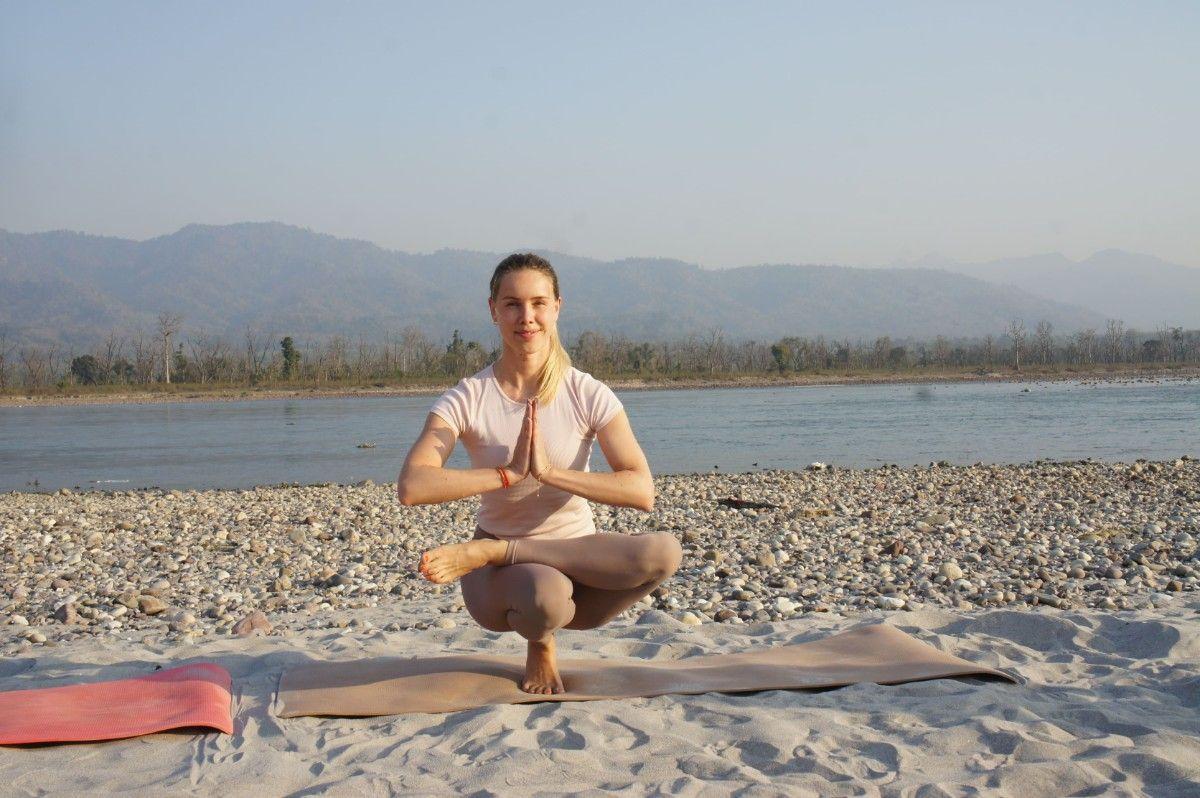
Yoga is often seen as a spiritual or physical practice, but it is also deeply connected to science—especially when it comes to holistic healing. Holistic healing focuses on the balance of body, mind, and emotions rather than treating symptoms alone. Yoga supports this approach by combining movement, breath control, and mental awareness to improve overall health in a natural and sustainable way.
Understanding Holistic Healing
Holistic healing is based on the idea that all aspects of a person are interconnected. Physical discomfort, emotional stress, and mental imbalance are often linked. Instead of addressing these issues separately, holistic practices aim to create harmony within the entire system.
Yoga fits perfectly into this concept. Through regular practice, it helps restore balance by improving physical strength, calming the mind, and stabilizing emotions.
The Science of Movement (Asanas)
Yoga postures, or asanas, are designed to stretch and strengthen the body while improving flexibility and circulation. Scientifically, these movements help increase blood flow, support muscle function, and improve joint mobility.
Regular practice also activates the parasympathetic nervous system, which is responsible for relaxation and recovery. This helps reduce physical tension and promotes healing within the body.
The Power of Breath (Pranayama)
Breathing techniques in yoga, known as pranayama, have a direct impact on the nervous system. Slow and controlled breathing helps reduce stress hormones and increases oxygen supply to the body.
From a scientific perspective, deep breathing activates the body’s relaxation response, lowering heart rate and calming the mind. This is why pranayama is often used to manage anxiety, improve focus, and support emotional balance.
The Role of Meditation in Mental Health
Meditation is a key component of yoga and plays a major role in holistic healing. Research shows that regular meditation can reduce stress, improve concentration, and enhance emotional stability.
By focusing the mind and observing thoughts without judgment, meditation helps create mental clarity. It also supports brain function by improving memory and reducing overactivity in stress-related areas of the brain.
Mind–Body Connection
One of the most important scientific aspects of yoga is the connection between the mind and body. Thoughts and emotions can directly affect physical health, and vice versa.
Yoga strengthens this connection by encouraging awareness of both physical sensations and mental states. This awareness allows individuals to respond to stress more effectively and maintain better overall health.
Hormonal Balance and Stress Reduction
Yoga helps regulate the endocrine system, which controls hormones in the body. Regular practice can lower cortisol (the stress hormone) and support the release of feel-good hormones such as serotonin.
This hormonal balance improves mood, reduces anxiety, and supports long-term mental wellness.
Supporting Long-Term Healing
Unlike quick fixes, yoga promotes gradual and sustainable healing. It encourages consistent practice, mindful habits, and self-awareness. Over time, this approach leads to improved immunity, better sleep, and increased energy levels.
Many students explore these scientific and holistic aspects more deeply during a yoga teacher training in India, where traditional knowledge is combined with modern understanding of the body. A 200 hour yoga teacher training in India provides structured learning about anatomy, breathing techniques, and the mind–body connection.
For those who prefer flexibility, online yoga teacher training also offers insights into how yoga supports holistic healing.
Conclusion
The science behind yoga and holistic healing lies in its ability to create balance within the body and mind. Through movement, breath, and awareness, yoga supports physical health, mental clarity, and emotional stability.
- Managerial Effectiveness!
- Future and Predictions
- Motivatinal / Inspiring
- Fitness and Wellness
- Medical & Health
- Manufacturing
- Educação
- Real-Estate
- Food Industry
- Hospitality
- Online Games
- Sports
- Home Services
- Civil Engineering
- Safety and Protection
- Software Products & Services
- Fashion and Jewellery
- Artificial Intelligence
- Entrepreneurship
- Mentoring & Guidance
- Marketing
- Networking
- HR & Recruiting
- Literature
- Shopping
- Career Management & Advancement