

 SkillClick
The Lady in the Park Emotional Depth and Symbolism in Modern Fiction
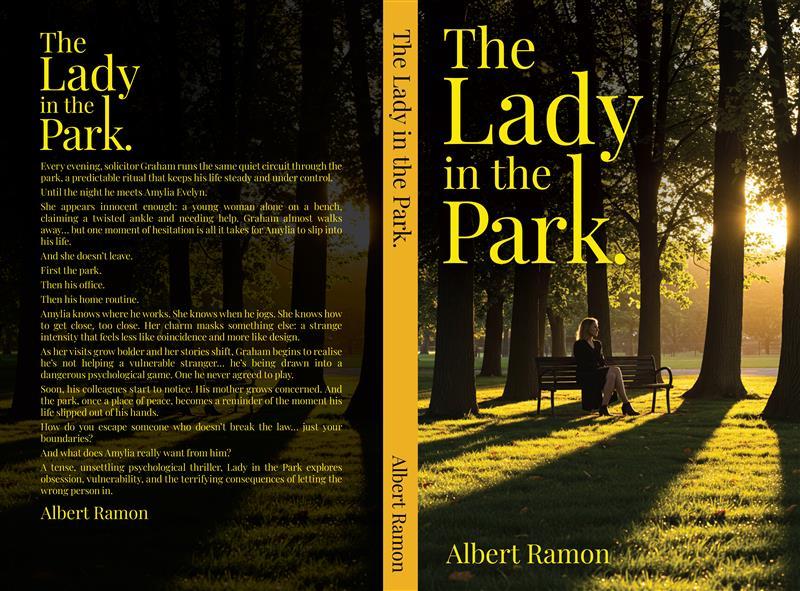
The story The Lady in the Park by Albert Ramon is a reflective and psychologically rich narrative that focuses on emotional depth, symbolic meaning, and interpretive storytelling rather than traditional plot-driven structure. Instead of relying on clear events or direct explanations, the narrative builds meaning through perception, silence, and subtle emotional cues that unfold gradually throughout the reading experience. The park becomes a symbolic environment where memory, imagination, and reality blend together into a shifting interpretive space that changes based on perception. Albert Ramon designs the story in a way that encourages readers to actively construct meaning rather than passively receive it. The woman in the park functions as a symbolic presence whose identity is fluid and shaped by interpretation rather than definition. Through this approach, the story becomes a study of emotional perception, psychological ambiguity, and layered narrative depth that evolves with each reading.
Emotional Layers in The Lady in the Park
Subtle Emotional Expression Through Narrative
In The Lady in the Park, Albert Ramon expresses emotional depth through highly subtle narrative construction rather than direct emotional explanation or explicit description. Instead of clearly stating how characters feel, the story allows emotion to emerge naturally through tone, silence, and carefully placed observations. This indirect method makes emotional experience more personal, as readers must interpret meaning based on context rather than instruction. The absence of direct emotional labeling increases psychological engagement and encourages deeper reflection. Readers become active participants in constructing emotional understanding rather than passive recipients of it. This creates a more immersive and realistic emotional experience that mirrors how feelings often function in real life, unspoken yet deeply present. Emotion becomes something discovered through interpretation rather than something explicitly defined.
Psychological Weight of Silence
Albert Ramon uses silence in The Lady in the Park as a powerful narrative device that carries psychological weight and emotional complexity throughout the story. Silence is not simply the absence of dialogue but an intentional space filled with meaning, tension, and interpretive possibility. It creates emotional distance between characters and events while also encouraging introspection and reflection. The lack of verbal communication intensifies the internal psychological experience of the narrative. Readers are left to interpret emotional undercurrents that are never directly expressed. This makes silence an active structural component of storytelling rather than a passive absence. It deepens emotional resonance by allowing meaning to exist in unspoken spaces.
Emotional Ambiguity in Perception
Emotional ambiguity is a key element in The Lady in the Park, where feelings are never clearly defined or permanently fixed within the narrative. Albert Ramon constructs situations where emotional meaning depends entirely on perception, interpretation, and internal reflection. The narrator’s understanding of emotional states shifts based on memory and observation. This creates a constantly evolving emotional tone throughout the story. Readers experience uncertainty as they attempt to interpret what is felt versus what is implied. This ambiguity reflects real human emotional complexity, where feelings are often layered, unclear, and changing. It strengthens psychological realism by avoiding simplified emotional representation.
Symbolism and Narrative Interpretation
The Park as Emotional Symbol
In The Lady in the Park, Albert Ramon transforms the park into a symbolic representation of emotional and psychological states rather than just a physical location. The environment reflects solitude, introspection, memory, and emotional uncertainty. Elements such as pathways, trees, stillness, and open spaces become extensions of internal thought and feeling. The park does not remain static but shifts in meaning based on perception and emotional context. This makes the environment an active participant in storytelling. It enhances interpretive depth by connecting physical space with psychological experience. The park becomes a symbolic mirror of consciousness itself.
The Woman as Symbolic Interpretation
The woman in The Lady in the Park is intentionally designed as a symbolic and interpretive figure rather than a fully defined character with fixed identity. Albert Ramon avoids assigning her clear background or personality, allowing her meaning to remain fluid and open to interpretation. She may represent memory, emotional projection, imagination, absence, or unresolved psychological thought depending on how she is perceived. Her ambiguity is central to the narrative’s structure and thematic depth. Each reader constructs their own version of her meaning based on interpretation. This makes her a dynamic symbolic presence that evolves within the reader’s mind. She reflects the nature of perception itself.
Symbolism Through Absence
Albert Ramon also uses absence as an important form of symbolism in The Lady in the Park, where what is not stated becomes as meaningful as what is presented. Gaps in explanation, silence in dialogue, and missing clarity all contribute to interpretive depth. Absence creates space for imagination and personal meaning-making. It encourages readers to actively fill narrative gaps with interpretation. This increases psychological engagement and emotional involvement. Symbolism is therefore constructed through both presence and intentional omission. This technique strengthens the story’s subtlety and narrative complexity.
Literary Structure and Style
Controlled Narrative Flow
Albert Ramon structures The Lady in the Park with a controlled and deliberate narrative flow that unfolds gradually through observation and perception rather than action or conflict. The story avoids traditional plot escalation or resolution, focusing instead on mood, tone, and psychological layering. Meaning develops slowly through accumulated detail rather than immediate revelation. This pacing encourages patience and deeper reflection from the reader. Instead of pushing toward conclusion, the narrative invites ongoing interpretation. This controlled structure enhances emotional subtlety and intellectual engagement. It allows meaning to evolve naturally over time.
Integration of Mind and Environment
In The Lady in the Park, Albert Ramon blends environment and psychological experience into a unified narrative structure where perception shapes reality. The park is not an isolated setting but a reflection of internal emotional and mental states. Natural elements become symbolic representations of thought, memory, and emotional distance. The environment changes meaning depending on interpretation. This fusion creates a layered storytelling experience where physical space and consciousness are deeply connected. It strengthens thematic consistency and interpretive depth throughout the narrative. The setting becomes inseparable from psychological experience.
Minimalist Narrative Expression
Albert Ramon applies a minimalist narrative style in The Lady in the Park, focusing on subtle implication rather than detailed exposition or explanation. Characters, actions, and emotions are presented indirectly, requiring readers to interpret meaning independently. This minimalism increases ambiguity and symbolic richness within the story. Every small detail becomes meaningful depending on context and perception. The lack of excess explanation enhances psychological engagement. It keeps the narrative open-ended and flexible. This approach strengthens interpretive storytelling and emotional subtlety.
Themes and Meaning
Subjective Nature of Reality
A central theme in The Lady in the Park is the subjective nature of reality shaped entirely by perception rather than objective truth. Albert Ramon shows that reality is constantly influenced by thought, emotion, and memory reconstruction. The narrator’s understanding of events shifts based on internal interpretation. This creates uncertainty between what is real and what is perceived. Readers must navigate ambiguity throughout the narrative. This reflects psychological realism and cognitive complexity. It emphasizes that truth is always constructed rather than fixed.
Emotional Meaning Through Subtext
Emotional meaning in The Lady in the Park is created through subtext rather than direct emotional explanation or explicit statement. Albert Ramon uses implication, silence, and contextual detail to communicate feeling indirectly. Emotion is constructed through interpretation rather than direct description. This increases reader involvement and emotional engagement. Meaning emerges gradually as readers interpret narrative cues. Subtext becomes the dominant emotional language of the story. This enhances depth and subtlety in storytelling.
Open Interpretation Framework
Albert Ramon designs The Lady in the Park as an open interpretive framework where meaning is not fixed or predetermined. Readers are encouraged to construct their own understanding of symbols, characters, and narrative events. There is no single correct interpretation within the story. Meaning evolves through reflection and engagement. This creates an intellectually active reading experience. The narrative remains dynamic even after completion. It continues to exist through interpretation and thought.
FAQs
What makes The Lady in the Park emotionally meaningful?
Its use of silence, symbolism, and subtle emotional storytelling.
Why is the woman in the park symbolic?
Because she represents shifting perception and interpretation.
How does Albert Ramon use silence in storytelling?
As a narrative structure that conveys emotion indirectly.
Is the story easy to interpret?
No, it is intentionally open-ended and layered.
What role does perception play in the story?
It shapes reality and determines emotional meaning.
Why is absence important in the narrative?
It creates interpretive space and symbolic depth.
Literary Suggestions
-
Focus on emotional symbolism in The Lady in the Park
-
Analyze perception-based storytelling techniques
-
Observe silence as structural narrative meaning
-
Reflect on symbolic environment usage
-
Engage with open-ended interpretation
Conclusion
The Lady in the Park by Albert Ramon is a deeply symbolic and psychologically layered narrative that explores emotional depth, perception, and interpretive meaning through subtle storytelling techniques. By using silence, ambiguity, and controlled narrative structure, the story creates an experience where meaning is constructed rather than directly provided. The park functions as a symbolic emotional landscape shaped by memory and thought. The woman remains an interpretive presence rather than a fixed identity. Readers are encouraged to actively engage in meaning-making throughout the narrative. This makes the story intellectually engaging and emotionally reflective. Its open-ended design ensures continued interpretation beyond reading. The narrative remains alive through perception, reflection, and ongoing thought.
- Managerial Effectiveness!
- Future and Predictions
- Motivatinal / Inspiring
- Fitness and Wellness
- Medical & Health
- Manufacturing
- Education
- Real-Estate
- Food Industry
- Hospitality
- Online Games
- Sports
- Home Services
- Civil Engineering
- Safety and Protection
- Software Products & Services
- Fashion and Jewellery
- Artificial Intelligence
- Entrepreneurship
- Mentoring & Guidance
- Marketing
- Networking
- HR & Recruiting
- Literature
- Shopping
- Career Management & Advancement