

 SkillClick
Cement Price Trend Analysis 2026 | Global Market Outlook & Forecast
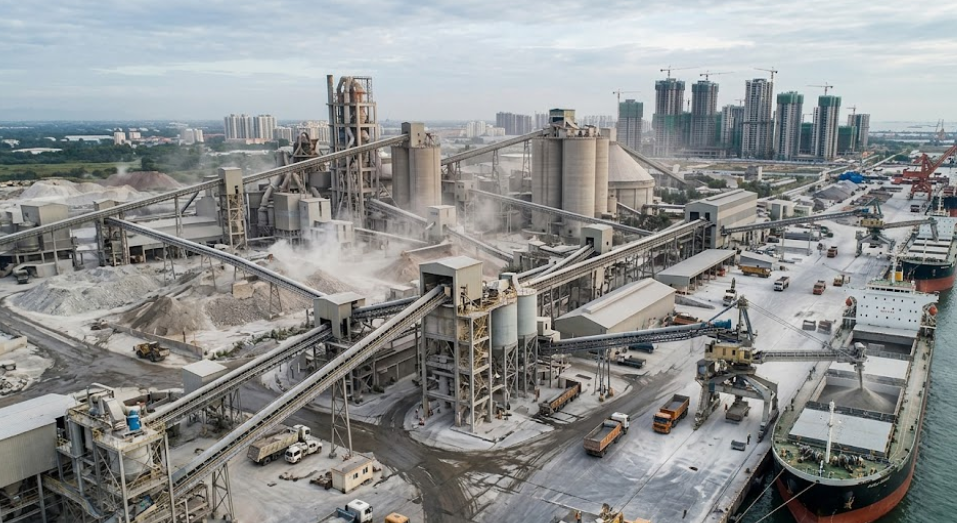
The Cement Prices in early 2026 reflects a moderately stable to slightly rising global market, supported by steady construction demand and controlled supply conditions. Key sectors driving demand include infrastructure development, residential construction, and commercial real estate. Supply dynamics remain influenced by energy costs, particularly coal and petcoke, which are essential feedstocks in cement production. While some regions experience pricing pressure due to oversupply, others are witnessing firm pricing due to infrastructure investments and export demand.
Market Snapshot
Market Snapshot
- Market Direction: Stable to Slightly Rising
- Primary Demand Sector: Construction & Infrastructure
- Key Feedstock: Coal, Petcoke, Limestone
- Major Supply Region: Asia Pacific (India, China, Vietnam)
- Short-Term Outlook: Stable
Key Drivers Affecting Cement Prices
The global cement price trend is shaped by multiple interconnected factors:
- Energy Cost Fluctuations: Coal and petcoke prices significantly impact production costs
- Construction Demand: Infrastructure and housing projects drive bulk consumption
- Supply-Demand Imbalance: Regional oversupply or shortages influence pricing
- Freight & Logistics Costs: Transportation plays a key role due to cement’s bulk nature
- Capacity Expansion: New plant additions increase supply pressure in certain regions
- Environmental Regulations: Emission norms increase operational costs
Why Prices Increased or Decreased Recently
Recent movements in the cement price index show mixed trends across regions.
- Prices in India (USD 56.20/MT FOB, Feb 2026) remained relatively stable due to balanced demand and controlled production levels
- In the USA (USD 111.30/MT FOB, Feb 2026), prices stayed elevated due to higher labor and energy costs
- Turkey (USD 54.00/MT FOB, Feb 2026) experienced competitive pricing due to strong export supply and currency advantages
Key reasons behind recent price behavior:
- Stable construction demand across emerging economies
- Slight oversupply in export-driven markets like Turkey
- High energy and operational costs in developed regions
- Controlled inventory levels preventing sharp price drops
Real Global Events Affecting the Market
Several macroeconomic and geopolitical factors have influenced the global cement market:
- Fluctuations in global coal prices impacting production costs
- Infrastructure stimulus programs in developing economies
- Ongoing geopolitical tensions affecting trade routes and logistics
- Environmental regulations increasing compliance costs in Europe
- Currency fluctuations impacting export competitiveness
For instance, volatility in energy markets has directly impacted kiln operating costs, thereby influencing cement price trends globally.
Regional Market Analysis
North America
The cement market in North America remains firm, supported by infrastructure modernization projects. High production and labor costs keep prices elevated, with limited import dependency.
Asia Pacific
Asia Pacific dominates the global cement market trend, led by India and Southeast Asia. Strong demand from urbanization and government projects supports stable pricing, though competition keeps margins tight.
Europe
Europe faces moderate demand with pricing pressure due to environmental regulations and energy costs. Production constraints have slightly tightened supply.
Middle East & Africa
The region shows mixed dynamics. While infrastructure projects drive demand, excess production capacity in some countries leads to competitive pricing.
Industry Expert Insight
Industry analysts indicate that while global cement demand remains resilient, price movements are increasingly tied to energy cost volatility and regional supply-demand imbalances rather than uniform global trends.
Market Outlook
Short-Term Outlook
The cement price forecast suggests stable pricing in the near term due to:
- Balanced demand from infrastructure projects
- Stable feedstock costs
- Controlled production output
Medium-Term Outlook
The cement market outlook remains cautiously optimistic:
- Expansion of production capacity may create supply pressure
- Growing urbanization will sustain long-term demand
- Energy price trends will remain a critical pricing factor
- Economic growth in emerging markets will support consumption
FAQs
What affects Cement Price Trend?
Energy costs, construction demand, logistics, and production capacity significantly affect cement prices.
Why did Cement prices remain stable recently?
Balanced supply-demand conditions and controlled production helped stabilize prices.
What industries use cement the most?
Cement is primarily used in residential, commercial, and infrastructure construction.
Which region produces the most cement?
Asia Pacific, especially India and China, dominates global cement production.
What is the future outlook for Cement prices?
The cement price forecast indicates stable to slightly rising trends driven by infrastructure growth and energy cost movements.
Final
The global cement price trend reflects a balanced yet regionally varied market influenced by energy costs, infrastructure demand, and supply dynamics. While short-term stability is expected, long-term trends will depend on economic growth and production capacity expansion.
- Managerial Effectiveness!
- Future and Predictions
- Motivatinal / Inspiring
- Fitness and Wellness
- Medical & Health
- Manufacturing
- Education
- Real-Estate
- Food Industry
- Hospitality
- Online Games
- Sports
- Home Services
- Civil Engineering
- Safety and Protection
- Software Products & Services
- Fashion and Jewellery
- Artificial Intelligence
- Entrepreneurship
- Mentoring & Guidance
- Marketing
- Networking
- HR & Recruiting
- Literature
- Shopping
- Career Management & Advancement