

 SkillClick
The Role of 3D Imaging in Planning Jaw Surgery in Islamabad
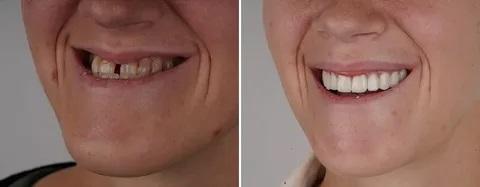
Advancements in medical technology have significantly improved the precision and outcomes of complex procedures like jaw surgery. One of the most important innovations in this field is 3D imaging, which allows surgeons to plan treatments with exceptional accuracy. Patients considering Jaw Surgery in Islamabad are now benefiting from this cutting-edge approach, which enhances both safety and results. By providing a detailed, three-dimensional view of the jaw structure, 3D imaging has revolutionized how surgeons diagnose, plan, and execute orthognathic procedures.
What Is 3D Imaging in Jaw Surgery?
3D imaging refers to advanced digital scanning techniques that create a detailed, three-dimensional model of a patient’s facial structure, jawbones, and teeth. Unlike traditional X-rays, which provide limited two-dimensional views, 3D imaging offers a comprehensive perspective of the entire craniofacial anatomy.
This technology is typically achieved through cone beam computed tomography scans and digital modeling software. These tools allow surgeons to visualize the jaw from multiple angles, making it easier to identify irregularities and plan precise corrections.
Why 3D Imaging Is Essential for Jaw Surgery
Jaw surgery involves complex adjustments to the bones of the face, requiring a high level of precision. Even a small miscalculation can affect both function and appearance. 3D imaging eliminates much of the guesswork by providing accurate measurements and detailed anatomical insights.
With this technology, surgeons can assess the relationship between the upper and lower jaws, teeth alignment, and surrounding structures. This level of detail ensures that the surgical plan is tailored specifically to the patient’s needs, reducing the risk of complications and improving overall outcomes.
Enhanced Treatment Planning
One of the biggest advantages of 3D imaging is its role in treatment planning. Surgeons can create a virtual model of the patient’s jaw and simulate the procedure before it is performed.
This allows them to predict how the jaw will look and function after surgery. Adjustments can be made in the planning stage, ensuring optimal results. Patients also benefit from this approach, as they can see a preview of their expected outcome, which helps build confidence in the procedure.
Improved Surgical Accuracy
Accuracy is critical in jaw surgery, and 3D imaging plays a key role in achieving it. By using digital models and simulations, surgeons can determine the exact position and movement of the jawbones.
This precision minimizes errors during surgery and ensures that the final results align with the planned outcome. It also reduces the likelihood of needing additional corrective procedures in the future.
Better Communication Between Patient and Surgeon
3D imaging improves communication by providing a visual representation of the treatment plan. Patients can better understand their condition and the proposed changes when they see a detailed model of their jaw.
This transparency helps build trust and allows patients to make informed decisions. It also ensures that both the patient and the surgeon have aligned expectations regarding the results.
Reduced Surgery Time and Faster Recovery
Because 3D imaging allows for detailed pre-surgical planning, the actual procedure becomes more efficient. Surgeons can work with greater confidence and precision, which often reduces the time spent in the operating room.
Shorter surgery times can lead to less trauma to the tissues and a smoother recovery process. Patients may experience reduced swelling and discomfort, contributing to a quicker return to normal activities.
Customization for Each Patient
Every patient’s jaw structure is unique, and 3D imaging allows for highly personalized treatment plans. Surgeons can tailor the procedure to address specific concerns, whether they are functional or aesthetic.
This customization ensures that the results are not only effective but also natural-looking. Patients benefit from a solution that is designed specifically for their individual needs.
Comparison of Traditional vs 3D Imaging
| Feature | Traditional Imaging | 3D Imaging |
|---|---|---|
| View Type | 2D | 3D |
| Accuracy | Limited | Highly precise |
| Treatment Planning | Basic | Advanced simulation |
| Patient Understanding | Moderate | High |
| Surgical Outcome | Good | Highly predictable |
Minimizing Risks and Complications
One of the most important benefits of 3D imaging is its ability to reduce risks. By providing a clear and detailed view of the jaw structure, surgeons can avoid critical areas such as nerves and blood vessels.
This reduces the chances of complications like nerve damage or improper alignment. Patients can feel more confident knowing that their procedure is planned with advanced technology and precision.
The Future of Jaw Surgery in Islamabad
As technology continues to evolve, 3D imaging is expected to become a standard part of jaw surgery in Islamabad. Its ability to improve accuracy, enhance patient experience, and deliver predictable results makes it an invaluable tool in modern medicine.
With increasing awareness and accessibility, more patients are likely to benefit from this advanced approach. It represents a significant step forward in the field of cosmetic and reconstructive surgery.
Conclusion
The integration of 3D imaging in jaw surgery has transformed the way procedures are planned and performed. From improved accuracy to better patient communication, this technology offers numerous advantages that enhance both safety and outcomes. It allows for personalized treatment plans, reduces risks, and ensures more predictable results.
For individuals considering this advanced procedure, SKN Cosmetic Clinic provides state-of-the-art technology and expert care tailored to each patient’s needs. To learn more about their services and begin your journey, visit SKN Cosmetic Clinic.
FAQs
What is 3D imaging in jaw surgery?
It is a technology that creates a detailed three-dimensional model of the jaw to assist in diagnosis and treatment planning.
Is 3D imaging better than traditional X-rays?
Yes, it provides more accurate and comprehensive information, leading to better surgical outcomes.
Does 3D imaging increase the cost of jaw surgery?
It may slightly increase the cost, but the benefits in accuracy and safety often outweigh the additional expense.
Can patients see their results before surgery?
Yes, 3D imaging allows surgeons to simulate the expected outcome, giving patients a clear preview.
Is 3D imaging safe?
Yes, it is a safe and widely used technology in modern dental and surgical practices.
- Managerial Effectiveness!
- Future and Predictions
- Motivatinal / Inspiring
- Fitness and Wellness
- Medical & Health
- Manufacturing
- Education
- Real-Estate
- Food Industry
- Hospitality
- Online Games
- Sports
- Home Services
- Civil Engineering
- Safety and Protection
- Software Products & Services
- Fashion and Jewellery
- Artificial Intelligence
- Entrepreneurship
- Mentoring & Guidance
- Marketing
- Networking
- HR & Recruiting
- Literature
- Shopping
- Career Management & Advancement