

 SkillClick
How to Plan a Masai Mara Safari: The Ultimate 2026 Guide to Adventure
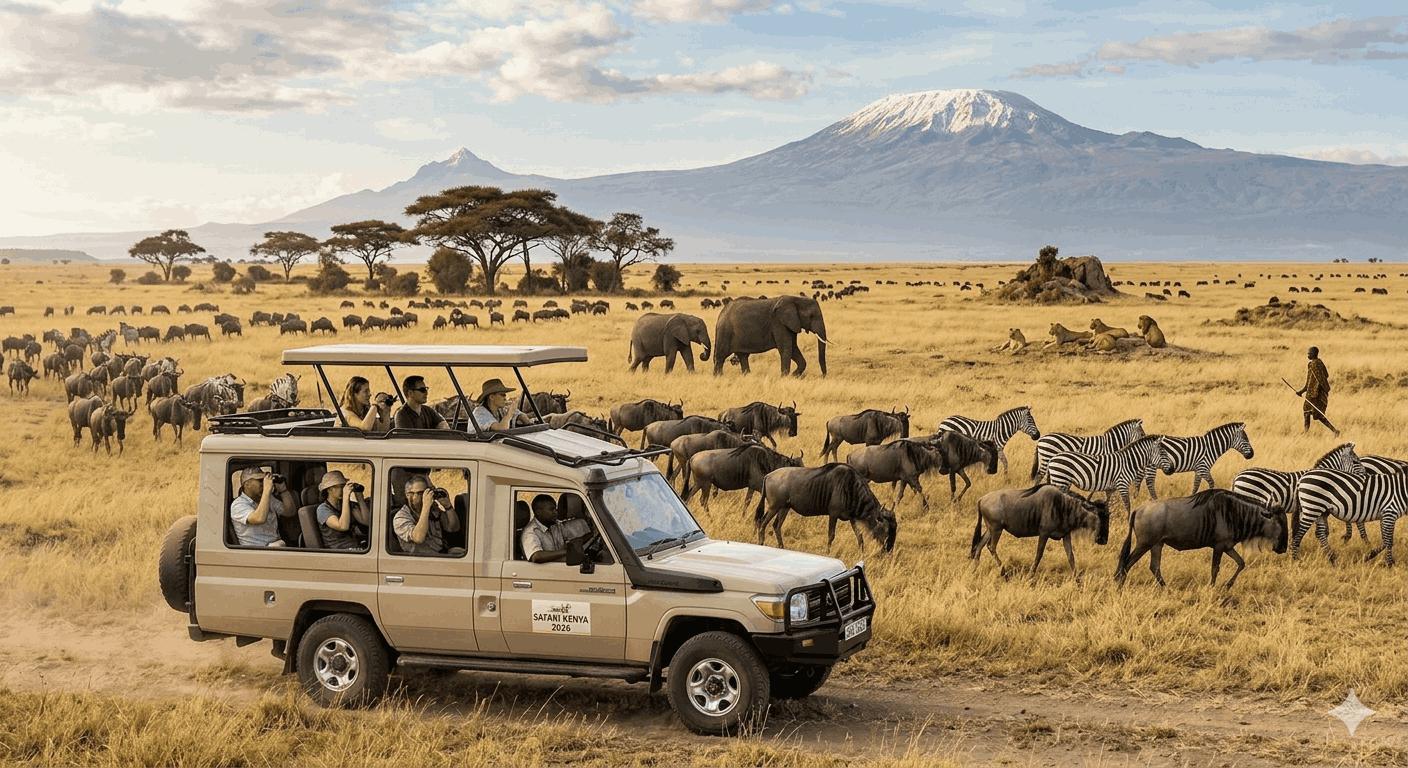
The vast, golden plains of East Africa have long whispered stories of survival, ancient rhythms, and the raw beauty of the natural world. At the heart of this narrative lies the Masai Mara safari, an experience that transcends a mere vacation to become a profound encounter with the soul of the wild. Located in the southwestern reaches of Kenya, the Masai Mara National Reserve is a world-renowned wildlife haven, spanning approximately 1,510 square kilometers of gently rolling savannah, acacia woodlands, and riparian forests. It is a landscape defined by its scale, where the horizon seems to stretch into eternity and the air hums with the energy of millions of inhabitants.
Whether you are a seasoned traveler or a first-time explorer, the allure of the Mara is undeniable. It is one of the few places on Earth where the "Big Five"—lion, leopard, elephant, buffalo, and rhino—can be spotted in a single afternoon. However, the true magic of a Masai Mara safari extends beyond ticking names off a checklist. It is found in the silent tension of a cheetah stalking through tall grass, the thundering hooves of the Great Migration, and the vibrant culture of the Maasai people, who have lived in harmony with this ecosystem for centuries.
Understanding the Ecosystem and the Great Migration
To truly appreciate a Masai Mara safari, one must understand the biological engine that drives this region. Technically, the Masai Mara is the northernmost section of the Mara-Serengeti ecosystem. According to Wikipedia, the reserve is not a national park but rather a National Reserve managed by local county councils, which allows for a unique intersection of wildlife conservation and Maasai pastoralist traditions. The name "Mara" translates to "spotted" in the Maa language, a fitting description for the landscape of short-tufted trees and cloud shadows that dot the plains.
The defining event of this ecosystem is the Great Migration, often cited as one of the Seven Natural Wonders of the World. Each year, over 1.5 million wildebeest, 200,000 zebras, and hundreds of thousands of Thompson’s gazelles travel in a clockwise circle between the Serengeti in Tanzania and the Masai Mara in Kenya. This is not merely a stroll; it is a perilous journey driven by the search for green pastures and water. For those on a Masai Mara safari between July and October, the sight of these herds crossing the Mara River—braving hungry Nile crocodiles and steep embankments—is a spectacle of life and death that remains etched in the memory forever.
The Rise of the Conservancies and Sustainable Tourism
While the National Reserve remains the central hub for tourism, a significant shift has occurred in how the land is managed. In recent years, the establishment of private conservancies surrounding the reserve has revolutionized the Masai Mara safari experience. These conservancies are formed through partnerships between private tourism operators and local Maasai landowners. By leasing their land for conservation rather than overgrazing or agriculture, the Maasai receive a steady income, while the wildlife gains expanded protected habitats.
Professional analyses, such as those featured in Forbes, highlight how this community-led model is a global benchmark for sustainable tourism. For the traveler, staying in a conservancy offers a more exclusive Masai Mara safari. These areas strictly limit the number of tents and vehicles, meaning you can watch a lion pride without the "mini-bus herds" often found in the main reserve. Furthermore, conservancies allow for activities prohibited in the reserve, such as guided bush walks, night game drives, and off-road tracking, providing a deeper, more intimate connection to the wilderness.
Seasonal Planning: When to Embark on Your Journey
Timing is everything when planning a Masai Mara safari. While the reserve offers incredible resident wildlife year-round, your specific interests will dictate the best time to visit.
-
The Peak Season (July to October): This is the time of the Great Migration. The weather is dry and cool, making wildlife easy to spot as animals congregate around water sources. However, this is also the busiest time, so booking at least nine to twelve months in advance is essential.
-
The Green Season (November to May): Often overlooked, this period is a photographer's dream. Recent reports in Google News indicate that "Green Season" travel is trending for 2026 due to the lush, vibrant landscapes and the arrival of migratory birds. This is also the "birthing season," where you can witness many young animals taking their first steps, attracting high predator activity.
-
The Shoulder Season (January to March): This window offers a fantastic balance of dry weather and fewer crowds. The grass is shorter, which improves visibility for spotting the elusive leopard or the fast-moving cheetah.
Essential Tips for a Respectful and Rewarding Safari
A successful Masai Mara safari requires preparation and a mindset of respect. As an explorer in this delicate environment, your goal should be to leave as small a footprint as possible while absorbing the vast knowledge of your guides.
-
Pack Neutral Tones: Wear khaki, olive, or beige. Avoid bright colors that can distract wildlife, and stay away from dark blue or black, which tend to attract tsetse flies.
-
Invest in Optics: While smartphone cameras have come a long way, a pair of high-quality binoculars is indispensable for spotting a lion hidden in a thicket or identifying a Martial Eagle on a distant branch.
-
Engage with the Culture: Don't miss the opportunity to visit a Maasai village. Learning about their nomadic lifestyle, traditional medicine, and the significance of their beadwork provides a vital context to the land you are traversing.
-
Practice Patience: The wild does not operate on a schedule. Some of the most rewarding moments on a Masai Mara safari come from sitting quietly at a watering hole and waiting for the story to unfold.
Conclusion and Your Next Step
The Masai Mara safari is more than a trip; it is an invitation to reconnect with the primal rhythms of our planet. From the heart-pounding drama of the Mara River crossings to the serene silence of a sunrise over the savannah, every moment serves as a reminder of the beauty and fragility of the natural world. By choosing sustainable operators and engaging deeply with both the wildlife and the local communities, you ensure that this incredible ecosystem thrives for generations to come.
- Managerial Effectiveness!
- Future and Predictions
- Motivatinal / Inspiring
- Fitness and Wellness
- Medical & Health
- Manufacturing
- Education
- Real-Estate
- Food Industry
- Hospitality
- Online Games
- Sports
- Home Services
- Civil Engineering
- Safety and Protection
- Software Products & Services
- Fashion and Jewellery
- Artificial Intelligence
- Entrepreneurship
- Mentoring & Guidance
- Marketing
- Networking
- HR & Recruiting
- Literature
- Shopping
- Career Management & Advancement