

 SkillClick
How less-than-truckload shipping can transform your small business logistics
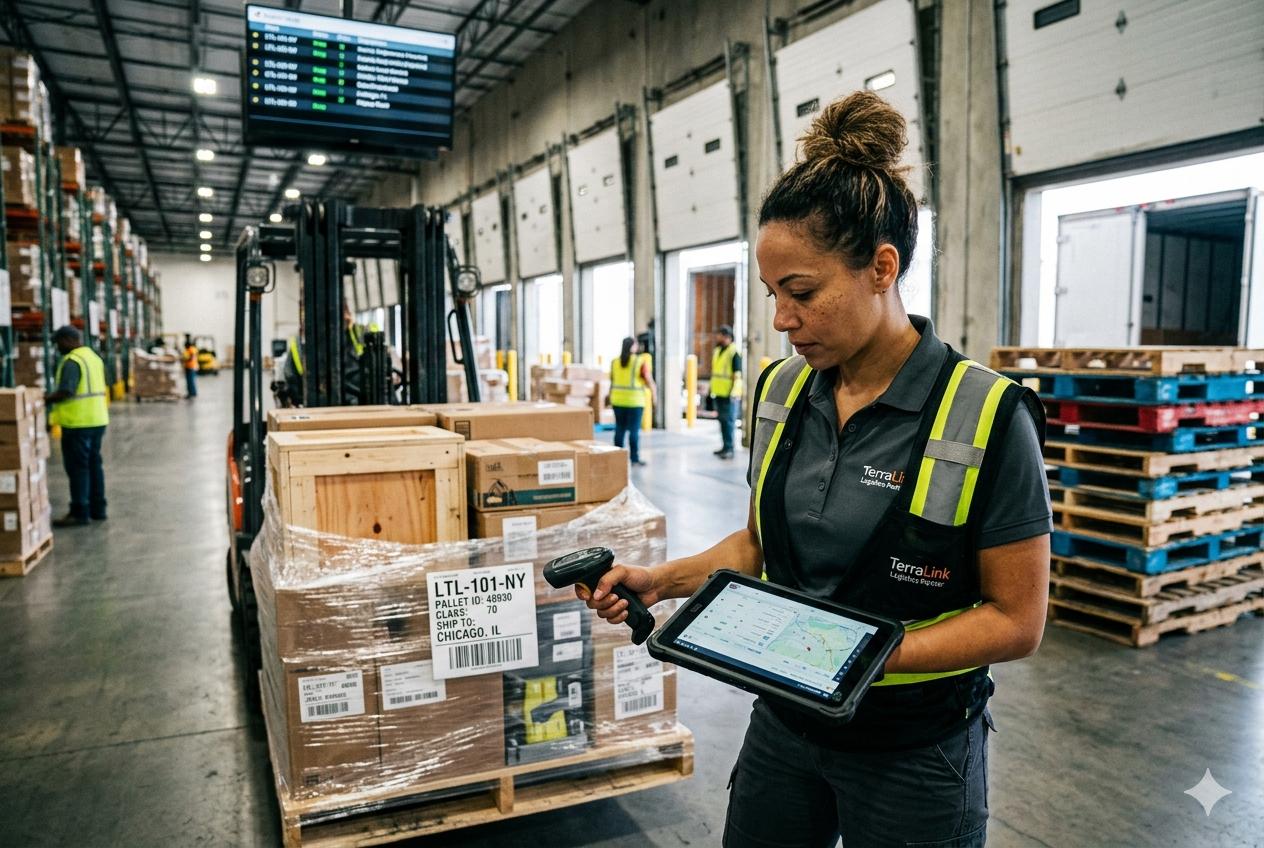
In the fast-moving world of global commerce, the ability to move products efficiently without breaking the bank is the difference between a thriving enterprise and one that is struggling to stay afloat. For many small to medium-sized businesses, shipping needs often fall into a "gray area." They have too much inventory for standard parcel carriers like USPS or FedEx to handle affordably, yet they do not have enough volume to fill a massive 53-foot semi-trailer. This is where less-than-truckload (LTL) shipping becomes a vital strategic tool.
The less-than-truckload model is built on the principle of sharing. Instead of one company paying for an entire truck, multiple shippers combine their freight onto a single vehicle. Each business pays only for the portion of the trailer their goods occupy. This collaborative approach to logistics allows smaller players to access the same professional shipping networks as corporate giants while maintaining tight control over their overhead.
As we look toward the logistics landscape of 2026, the demand for flexible shipping solutions has never been higher. According to recent reports from Google News, the LTL market is expected to reach a staggering $277.2 billion this year, driven largely by the explosive growth of e-commerce and the need for rapid, regional distribution. Businesses are no longer just looking for a way to move boxes; they are looking for partners that offer visibility, sustainability, and scalability.
If you are a business owner navigating these waters, understanding the mechanics of freight is essential. Whether you are shipping specialized machinery or palletized retail goods, knowing how to leverage these services can provide a significant competitive advantage. TerraLinkLogistics offers less than truckload services that cater to these specific needs, ensuring that your cargo moves through the network with the same precision as a full truckload.
1. Understanding the Mechanics of LTL Shipping
To fully appreciate the value of less-than-truckload shipping, one must first understand how it differs from other modes of transport. In a traditional Full Truckload (FTL) scenario, a truck picks up a load from point A and drives it directly to point B. It is a straight line, simple and fast, but expensive if the truck is half-empty.
LTL operates on a "hub-and-spoke" model. This is similar to how major airlines manage passenger travel. A local driver might pick up your pallets and take them to a regional terminal. There, your goods are unloaded and sorted alongside other shipments heading in the same general direction. Your freight is then loaded onto a larger "line-haul" truck that travels to another hub closer to the final destination. Finally, the goods are sorted again and put on a local delivery truck for the "last mile."
The Role of Freight Classification
One of the most technical aspects of this shipping mode is the National Motor Freight Classification (NMFC) system. This system, which is standardized across the industry, categorizes freight into 18 different classes, ranging from Class 50 to Class 500. These classes are determined by four main factors:
-
Density: The weight per cubic foot. Higher-density items (like steel) usually have lower classes and lower rates.
-
Stowability: How easily the freight can be stacked or placed with other items.
-
Handling: The degree of care or specialized equipment required to move the goods.
-
Liability: The value of the goods and their susceptibility to theft or damage.
For a technical definition of these standards, you can refer to the comprehensive resources available via Google. Understanding your freight class is vital because it directly impacts your shipping quote. Accurate measurements of length, width, and height are not just suggestions; they are requirements for avoiding unexpected re-weigh fees at the terminal.
Professional Logistics Integration
Modern logistics is no longer just about trucks and trailers; it is about data. In 2026, over 60% of LTL shipments utilize real-time digital tracking platforms. This transparency allows business owners to see exactly where their inventory is at any given moment. For professional insights into how logistics technology is reshaping corporate strategy, Forbes provides excellent analysis on the intersection of AI and supply chain management.
2. The Core Benefits: Why Businesses Choose LTL
The primary driver for choosing less-than-truckload services is almost always cost. However, the benefits extend far beyond the balance sheet. When a business integrates LTL into its operations, it gains a level of agility that is hard to replicate with other shipping methods.
Unmatched Cost Efficiency
The most obvious advantage is that you only pay for what you use. If your shipment only takes up six linear feet of a trailer, you are not responsible for the remaining 47 feet. This "pay-as-you-go" model is perfect for businesses with fluctuating inventory levels or seasonal demand. Instead of waiting weeks to accumulate enough orders to fill a full truck, you can ship smaller batches more frequently, keeping your inventory moving and your customers happy.
Enhanced Service Options
LTL carriers offer a variety of specialized "accessorial" services that are often unavailable or prohibitively expensive in the FTL world. These include:
-
Liftgate Service: Essential for deliveries to locations without a loading dock.
-
Inside Pickup and Delivery: Where the driver brings the freight into the building rather than leaving it on the curb.
-
Residential Delivery: Navigating smaller trucks into neighborhoods where 53-foot trailers cannot go.
-
Limited Access Delivery: Providing service to construction sites, schools, or rural areas.
These services make it possible for small businesses to reach a wider variety of customers without needing their own fleet of specialized vehicles.
Environmental Responsibility
Sustainability has moved from a "nice-to-have" to a business necessity. LTL shipping is inherently more eco-friendly than multiple small businesses running half-empty trucks. By consolidating freight, the industry reduces the total number of vehicles on the road, which leads to lower carbon emissions and less traffic congestion. Many carriers are now integrating electric and hybrid trucks into their regional fleets, further reducing the environmental footprint of every pallet shipped.
3. Navigating Challenges and Best Practices
While the benefits are significant, less-than-truckload shipping does come with its own set of complexities. Because your freight is being handled multiple times at various hubs, the risk of minor damage or delays is slightly higher than with direct FTL shipping. To succeed, businesses must follow industry best practices.
The Importance of Proper Packaging
Since LTL freight is loaded and unloaded multiple times, your packaging must be robust. Items should be securely palletized, shrink-wrapped, and clearly labeled. Using high-quality pallets and corner protectors can prevent the vast majority of transit-related issues. Remember, your freight will be sharing space with a wide variety of other items, so it needs to be "road-ready."
Planning for Transit Times
Unlike FTL, where you can often get a guaranteed delivery time, LTL transit times are typically estimated. The hub-and-spoke system means that weather, terminal congestion, or labor shortages at a specific hub can cause ripples throughout the network. In early 2026, severe winter weather and infrastructure bottlenecks affected nearly 18% of deliveries nationwide. Smart businesses build a "buffer" into their delivery promises to ensure customer satisfaction even when the logistics network faces hurdles.
Utilizing Professional Services
Partnering with a reliable provider is the best way to mitigate these risks. TerraLinkLogistics offers less than truckload services that prioritize communication and reliability. By using a provider with a vast network and established terminal relationships, you can ensure your freight is handled by professionals who understand the nuances of the regional and national hubs.
4. The Future of LTL in 2026 and Beyond
The logistics industry is currently in the midst of a technological revolution. We are seeing the rise of "smart trailers" equipped with IoT sensors that monitor temperature, humidity, and even the "shift" of cargo in real-time. This level of detail was once reserved for high-value pharmaceutical shipments, but it is now becoming standard in the LTL space.
Furthermore, predictive analytics are being used to optimize routes more effectively than ever before. Carriers can now predict potential delays based on historical traffic patterns and weather data, allowing them to reroute shipments before a problem even occurs. This increase in efficiency is expected to drive a 10% improvement in fuel efficiency across the industry by the end of the year.
As e-commerce continues to demand faster delivery times, the "super-regional" carrier model is gaining traction. These carriers bridge the gap between local delivery and long-haul transport, offering faster transit times across multiple states without the high cost of expedited air freight. For businesses, this means the ability to compete with "next-day" delivery promises that were once the exclusive domain of retail giants.
Conclusion: Making the Strategic Move
The world of less-than-truckload shipping is dynamic, complex, and filled with opportunities for businesses that are willing to learn the ropes. By moving away from the "one-size-fits-all" approach of parcel or full truckload shipping, you can unlock a level of flexibility that supports growth and protects your bottom line.
Whether you are looking to reduce costs, reach new markets, or improve your sustainability profile, LTL provides the framework to make it happen. It is about more than just moving goods; it is about building a supply chain that is as resilient and adaptable as the business it serves.
- Managerial Effectiveness!
- Future and Predictions
- Motivatinal / Inspiring
- Fitness and Wellness
- Medical & Health
- Manufacturing
- Education
- Real-Estate
- Food Industry
- Hospitality
- Online Games
- Sports
- Home Services
- Civil Engineering
- Safety and Protection
- Software Products & Services
- Fashion and Jewellery
- Artificial Intelligence
- Entrepreneurship
- Mentoring & Guidance
- Marketing
- Networking
- HR & Recruiting
- Literature
- Shopping
- Career Management & Advancement