

 SkillClick
Fangyuan: Which Material Pairing Prevents an Oil Project Valve's Stem from Seizing After Inactivity
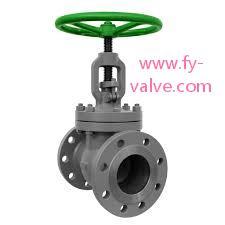
Months of inactivity in a crude oil transfer line can transform a simple quarter-turn operation into a maintenance nightmare. When an Oil Project Valve sits untouched for extended periods, contact between metal surfaces under high contact stress invites adhesive wear known as galling. What specific design feature at FY-valve prevents this destructive phenomenon from locking the stem completely?
The primary defense against stem galling in infrequent actuation scenarios lies in controlled surface engineering. A standard stainless steel stem rotating against a matching stainless steel bushing creates identical material pairs, where microscopic welding becomes nearly inevitable under static load. FY-valve Fangyuan selects dissimilar material combinations for these critical interfaces, such as a hardened 17-4PH stem running against a bronze alloy bushing. This metallurgical mismatch disrupts the adhesion mechanism because one surface resists transferring material onto the other.
Surface hardness stratification provides another essential layer of protection. The factory applies a low-temperature nitriding process to the stem's contact zones, achieving surface hardness exceeding 60 HRC while preserving core toughness. This hardened layer resists micro-welding initiation points during the first rotational movement after extended dormancy. For the counterface component, a softer yet gall-resistant material like reinforced PTFE or aluminum bronze creates a bearing surface that polishes rather than plows.
Lubricant retention geometry further distinguishes a design intended for sporadic actuation. The stem features precision-ground grooves that act as reservoirs for assembly-applied anti-seize compounds. Unlike standard spiral lubricant paths that drain during vertical installation, FY-valve's annular groove pattern retains lubricant independent of valve orientation. This trapped lubricant film separates contacting asperities even after thermal cycling that would expel grease from plain surfaces.
Clearance specification between stem and bearing represents the final variable. A tight clearance intended for emission control actually increases galling risk during infrequent actuation because debris cannot escape. FY-valve Fangyuan employs a stepped clearance design, where the lower stem guide maintains close tolerance for alignment while the upper bearing receives additional radial space. This geometry allows microscopic wear particles to migrate away from the sliding interface instead of accumulating into abrasive clusters.
For a comprehensive view of fluid control solutions in hydrocarbon handling systems, visit https://www.fy-valve.com/application/oil-storage-transportation.html. This combination of dissimilar metallurgy, surface nitriding, lubricant-retaining grooves, and graduated clearance ensures that an Oil Project Valve from this manufacturer delivers breakaway torque within predictable limits after seasonal dormancy, eliminating field repairs caused by galled stems.
- Managerial Effectiveness!
- Future and Predictions
- Motivatinal / Inspiring
- Fitness and Wellness
- Medical & Health
- Manufacturing
- Education
- Real-Estate
- Food Industry
- Hospitality
- Online Games
- Sports
- Home Services
- Civil Engineering
- Safety and Protection
- Software Products & Services
- Fashion and Jewellery
- Artificial Intelligence
- Entrepreneurship
- Mentoring & Guidance
- Marketing
- Networking
- HR & Recruiting
- Literature
- Shopping
- Career Management & Advancement