

 SkillClick
Gutter Machines: Advanced Tools for Efficient Gutter Production
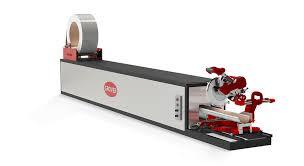
Gutters are an essential part of any building, playing a critical role in directing rainwater away from the foundation, preventing erosion, and protecting siding and landscaping. To ensure high-quality, durable gutters, manufacturers and contractors increasingly rely on gutter machines. These machines streamline production, improve precision, and deliver seamless gutters that are built to last.
What Are Gutter Machines?
Gutter machines are specialized tools designed to produce seamless gutters efficiently and accurately. They automate processes like cutting, shaping, and forming gutter materials, which were traditionally done by hand.
Most modern gutter machines are roll-forming machines, capable of producing continuous lengths of gutters from metal coils such as aluminum, steel, or copper. These machines ensure that gutters are uniform in size, smooth, and free of seams that could leak, offering both functional and aesthetic benefits.
By using gutter machines, contractors and manufacturers can produce high-quality gutters faster, reduce waste, and meet the precise requirements of residential and commercial projects.
Advantages of Using Gutter Machines
1. Seamless Gutter Production
Seamless gutters are highly valued because they minimize leaks and improve durability. Gutter machines allow manufacturers to create gutters in continuous lengths, reducing the need for joints that could fail over time.
This seamless construction ensures a consistent flow of water, protects the building foundation, and enhances the overall appearance of the property.
2. Increased Production Efficiency
Manual gutter fabrication is labor-intensive and time-consuming. Gutter machines significantly increase production speed by automating cutting, forming, and shaping processes.
This efficiency allows contractors to produce multiple gutters in a shorter time, meeting tight project deadlines without compromising quality.
3. Precision and Accuracy
Modern gutter machines are equipped with digital controls and measurement systems, allowing precise customization of gutter length, width, and profile. This ensures a perfect fit for every installation, reducing errors, waste, and rework.
Accurate gutters enhance both functionality and aesthetic appeal, which is essential for high-end residential and commercial projects.
4. Versatility
Gutter machines can handle a wide variety of materials, including aluminum, steel, copper, and zinc. They can produce multiple profiles, such as K-style, half-round, and box gutters, offering flexibility for different building designs.
This versatility allows contractors to meet diverse client needs without investing in multiple machines.
5. Cost Savings
While investing in a gutter machine may seem costly upfront, it reduces long-term expenses:
- Lower labor costs due to automation.
- Less material waste from precise measurements.
- Faster production for timely project completion.
These savings make gutter machines a smart investment for contractors and manufacturers alike.
6. Improved Safety
Manual gutter fabrication involves handling sharp metal, heavy coils, and cutting tools, which can be hazardous. Gutter machines automate most of these processes, minimizing direct contact with materials and reducing workplace injuries.
Safer operations contribute to employee satisfaction, lower insurance costs, and a better overall work environment.
Types of Gutter Machines
1. Roll-Forming Gutter Machines
Roll-forming machines are the most common type of gutter machine. They feed metal coils through a series of rollers that gradually shape the material into the desired gutter profile.
These machines can produce gutters in continuous lengths and are highly efficient for residential and commercial projects.
2. Portable Gutter Machines
Portable machines allow on-site production of gutters. Lightweight and easy to transport, they enable contractors to produce custom-sized gutters directly at the building site. On-site production reduces transportation costs and ensures accurate installation for irregular rooflines.
3. Multi-Profile Gutter Machines
Advanced multi-profile machines can switch between different gutter styles, such as K-style and half-round, by adjusting rollers and settings. This flexibility allows manufacturers to handle diverse client requirements without purchasing multiple machines.
4. Automated Cutting and Punching Machines
Some gutter machines include automated cutting and punching capabilities for downspout outlets, miters, and end caps. This reduces manual labor, increases precision, and speeds up production.
Materials Used in Gutter Machines
The choice of material for gutters impacts both durability and appearance:
- Aluminum: Lightweight, corrosion-resistant, and ideal for residential projects.
- Steel: Strong, durable, and suitable for commercial applications; often coated to prevent rust.
- Copper: Premium appearance, long-lasting, and develops a natural patina over time.
- Zinc: Extremely durable, low-maintenance, and ideal for long-term installations.
Gutter machines are designed to handle these metals efficiently, forming seamless and precisely measured gutters that meet project specifications.
Maintenance of Gutter Machines
Proper maintenance ensures optimal performance and longevity of gutter machines:
- Clean rollers and forming stations regularly to remove metal shavings or debris.
- Lubricate moving parts to prevent wear and maintain smooth operation.
- Inspect electrical and hydraulic components for proper function.
- Check alignment, fasteners, and cutting mechanisms to ensure accurate production.
Regular maintenance reduces downtime, maintains product quality, and maximizes return on investment.
Applications of Gutter Machines
Gutter machines are used across a wide range of projects:
- Residential Homes: Produce seamless gutters that improve appearance and prevent water damage.
- Commercial Buildings: Ensure large-scale projects have durable, consistent gutters.
- Industrial Facilities: Create strong, long-lasting gutters for warehouses and factories.
- Renovation Projects: On-site machines allow custom fabrication for older or irregular roofs.
Their versatility and efficiency make gutter machines essential tools for contractors and manufacturers alike.
Future Trends in Gutter Machines
As technology advances, gutter machines continue to evolve:
- Automation: Fully automated machines increase production speed and reduce manual labor.
- Digital Controls: Computerized systems allow precise customization and easy monitoring.
- Integration with Software: Machines connected to design and project management tools streamline workflow.
- Eco-Friendly Manufacturing: Machines optimized for minimal waste and energy efficiency.
These trends will further improve efficiency, reduce costs, and enhance product quality in gutter manufacturing.
Conclusion
Gutter machines are indispensable tools for modern roofing and gutter production. They enable the efficient creation of seamless, precise, and durable gutters that protect buildings from water damage. By automating labor-intensive processes, these machines reduce costs, increase production speed, and improve safety.
- Managerial Effectiveness!
- Future and Predictions
- Motivatinal / Inspiring
- Fitness and Wellness
- Medical & Health
- Manufacturing
- Образование
- Real-Estate
- Food Industry
- Hospitality
- Online Games
- Sports
- Home Services
- Civil Engineering
- Safety and Protection
- Software Products & Services
- Fashion and Jewellery
- Artificial Intelligence
- Entrepreneurship
- Mentoring & Guidance
- Marketing
- Networking
- HR & Recruiting
- Literature
- Shopping
- Career Management & Advancement