

 SkillClick
PV Solar Market Expansion Restricted by Geographic Limitations and Weather Dependencies Globally
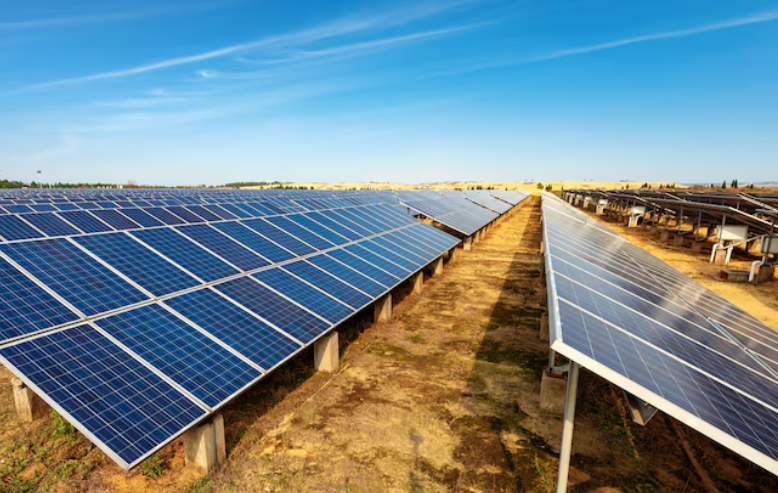
he photovoltaic (PV) solar market has witnessed remarkable growth over the past decade, driven by falling technology costs, supportive government policies, and increasing awareness of renewable energy. Despite this momentum, the industry still faces several structural, economic, and technical challenges that hinder its full potential. Understanding these obstacles is crucial for stakeholders aiming to accelerate solar adoption globally.
This article explores the key hindrances affecting the PV solar market and how they influence growth trajectories.
1. High Initial Capital Investment
One of the most significant barriers to PV solar adoption is the high upfront cost. Although the cost of solar panels has decreased substantially, the total installation cost—including inverters, mounting systems, batteries, and labor—remains considerable.
For residential consumers and small businesses, this upfront expense can be discouraging, especially in regions where financing options are limited. Even though long-term savings are attractive, the initial financial burden delays decision-making.
2. Intermittency and Energy Storage Limitations
Solar energy production depends on sunlight availability, making it inherently intermittent. Power generation drops during cloudy weather and completely halts at night.
Energy storage systems, such as batteries, can mitigate this issue, but they add significant costs and complexity. Current battery technologies also face challenges related to lifespan, efficiency, and environmental concerns, limiting their widespread adoption.
3. Grid Integration Challenges
Integrating solar power into existing electricity grids presents technical and operational challenges. Traditional grids were designed for centralized power generation, whereas solar introduces decentralized and variable inputs.
Issues such as voltage fluctuations, grid instability, and reverse power flows require advanced grid management systems. In many regions, outdated infrastructure cannot efficiently handle large-scale solar integration, slowing deployment.
4. Policy Uncertainty and Regulatory Barriers
Government policies play a crucial role in the growth of the PV solar market. However, inconsistent or frequently changing regulations create uncertainty for investors and developers.
Subsidies, tax incentives, and feed-in tariffs often vary or are reduced over time, impacting project viability. Complex permitting processes and bureaucratic delays further discourage new installations.
5. Land Availability and Use Conflicts
Large-scale solar farms require significant land areas, which can lead to conflicts over land use. In densely populated regions or areas with agricultural importance, allocating land for solar installations becomes challenging.
Environmental concerns, such as habitat disruption and land degradation, also raise opposition from local communities and conservation groups.
6. Supply Chain Disruptions
The PV solar market relies on a global supply chain for raw materials and components such as silicon, wafers, and modules. Disruptions due to geopolitical tensions, trade restrictions, or pandemics can significantly impact production and pricing.
Dependence on a limited number of manufacturing hubs increases vulnerability, leading to delays in project execution and cost fluctuations.
7. Skilled Workforce Shortage
The rapid growth of the solar industry has created a demand for skilled professionals, including engineers, technicians, and installation experts.
However, many regions face a shortage of trained personnel, leading to delays in project implementation and increased labor costs. Inadequate training infrastructure further exacerbates this issue.
8. Financing and Investment Constraints
Access to financing remains a challenge, particularly in developing economies. Financial institutions may perceive solar projects as risky due to policy uncertainties or market volatility.
High interest rates and limited availability of tailored financial products make it difficult for small and medium-scale developers to secure funding, slowing market expansion.
9. Technological Limitations
Despite advancements, PV technology still faces efficiency limitations. Not all sunlight is converted into electricity, and performance can degrade over time.
Additionally, issues such as dust accumulation, shading, and temperature sensitivity affect output. Continuous innovation is required to enhance efficiency and durability while keeping costs low.
10. Recycling and Environmental Concerns
As solar installations age, the issue of panel disposal and recycling becomes increasingly important. PV panels contain materials that can be hazardous if not handled properly.
The lack of efficient recycling infrastructure raises concerns about long-term environmental impacts. Addressing end-of-life management is essential for ensuring sustainability.
11. Competition from Alternative Energy Sources
While solar energy is a leading renewable source, it faces competition from other technologies such as wind, hydro, and emerging energy solutions.
In some regions, these alternatives may offer more consistent power generation or lower costs, influencing investment decisions and slowing solar adoption.
12. Public Awareness and Perception
In certain markets, limited awareness about solar benefits and misconceptions about reliability and costs hinder adoption.
Consumers may be skeptical about long-term performance or maintenance requirements. Effective education and outreach are necessary to build trust and encourage adoption.
13. Infrastructure and Logistics Issues
Transporting and installing solar equipment in remote or underdeveloped regions can be challenging. Poor infrastructure increases costs and delays project timelines.
Inadequate access to roads, storage facilities, and installation equipment further complicates deployment in rural areas.
14. Weather and Geographic Limitations
Solar energy generation varies significantly based on geographic location and climatic conditions. Regions with low solar irradiance or frequent cloud cover may not achieve optimal efficiency.
Extreme weather conditions, such as storms or heavy snowfall, can damage installations and increase maintenance costs.
15. Long Payback Period in Certain Markets
Although solar systems offer long-term savings, the payback period can be extended in regions with low electricity tariffs or limited incentives.
This reduces the attractiveness of solar investments for consumers and businesses, especially when compared to other energy options.
Conclusion
The PV solar market continues to play a pivotal role in the global transition toward clean energy. However, its growth is not without challenges. From financial and technological constraints to policy uncertainties and infrastructure limitations, multiple factors hinder its rapid expansion.
Addressing these issues requires coordinated efforts from governments, industry players, and financial institutions. By improving policy stability, investing in innovation, strengthening supply chains, and enhancing public awareness, the PV solar market can overcome these barriers and achieve its full potential.
- Managerial Effectiveness!
- Future and Predictions
- Motivatinal / Inspiring
- Fitness and Wellness
- Medical & Health
- Manufacturing
- Education
- Real-Estate
- Food Industry
- Hospitality
- Online Games
- Sports
- Home Services
- Civil Engineering
- Safety and Protection
- Software Products & Services
- Fashion and Jewellery
- Artificial Intelligence
- Entrepreneurship
- Mentoring & Guidance
- Marketing
- Networking
- HR & Recruiting
- Literature
- Shopping
- Career Management & Advancement