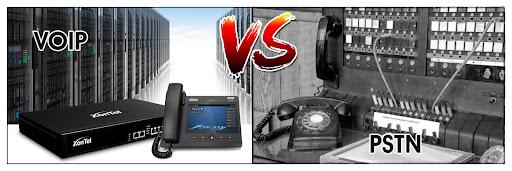
Choosing the right communication system is a critical decision for any business. While traditional phone systems have served organizations for decades, modern internet-based solutions are rapidly gaining ground. A detailed comparison of PSTN vs VoIP in terms of security, reliability, and scalability can help businesses make the right choice for their needs.
Security: PSTN vs VoIP
PSTN Security
The Public Switched Telephone Network (PSTN) is often considered secure due to its closed and dedicated infrastructure:
- Physical lines are harder to intercept
- Limited exposure to cyber threats
- Less vulnerable to hacking compared to internet-based systems
However, PSTN is not entirely immune to risks. Physical line tapping and hardware-based vulnerabilities can still occur, though they are less common.
VoIP Security
Voice over Internet Protocol (VoIP) relies on internet connections, which introduces both opportunities and risks:
- Susceptible to cyber threats like hacking, phishing, and denial-of-service attacks
- Data encryption (TLS, SRTP) enhances security
- Advanced authentication and firewall systems provide protection
With proper security measures in place, VoIP can be highly secure—often more secure than PSTN in modern environments.
Key Takeaway:
PSTN offers inherent physical security, but VoIP can achieve strong protection through encryption and cybersecurity best practices.
Reliability: PSTN vs VoIP
PSTN Reliability
PSTN has long been known for its reliability:
- Operates independently of the internet
- Consistent call quality
- Minimal risk of outages due to network congestion
However, PSTN can be affected by:
- Physical line damage
- Infrastructure issues
- Limited redundancy options
VoIP Reliability
VoIP reliability depends on internet connectivity:
- High-speed, stable internet ensures excellent performance
- Cloud-based systems offer redundancy and failover options
- Calls can be rerouted during outages
Modern VoIP systems often include backup servers and automatic call routing to maintain uptime.
Key Takeaway:
PSTN is traditionally more stable, but VoIP can match or exceed reliability with a strong internet connection and proper setup.
Scalability: PSTN vs VoIP
PSTN Scalability
Scaling a PSTN system can be challenging:
- Requires additional physical lines and hardware
- Installation and setup can be time-consuming
- Higher costs for expansion
This makes PSTN less suitable for rapidly growing businesses.
VoIP Scalability
VoIP is designed with scalability in mind:
- Easily add or remove users without complex installations
- No need for additional physical infrastructure
- Cloud-based systems allow quick expansion
- Ideal for startups and growing enterprises
Key Takeaway:
VoIP offers unmatched scalability, making it the better option for businesses planning to grow or adapt quickly.
Final Comparison: PSTN vs VoIP
When evaluating PSTN vs VoIP, each system has its strengths:
- Security: PSTN is naturally secure, but VoIP can be equally secure with proper safeguards
- Reliability: PSTN is stable, while VoIP depends on internet quality but offers advanced redundancy
- Scalability: VoIP clearly outperforms PSTN with its flexibility and ease of expansion
Conclusion
The comparison of PSTN vs VoIP in terms of security, reliability, and scalability highlights a clear shift toward modern communication systems. While PSTN remains dependable, VoIP offers a more flexible, scalable, and feature-rich solution for today’s businesses.
For organizations aiming to future-proof their communication systems, VoIP provides the adaptability and advanced capabilities needed to thrive in a digital-first world.


 SkillClick