

 SkillClick
Phototherapy Lamps Market Outlook Highlighting Demand Trends and Technological Advancements Ahead
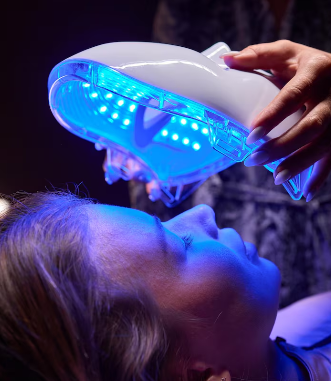
Phototherapy lamps have become an essential component in modern healthcare, particularly in dermatology and neonatal care. These devices use specific wavelengths of light to treat conditions such as neonatal jaundice, psoriasis, eczema, and vitiligo. As healthcare systems evolve and awareness about non-invasive treatment methods increases, the phototherapy lamps market is expected to witness sustained growth over the long term. This article explores the key drivers, challenges, technological trends, and future outlook shaping this market.
Growing Demand in Neonatal Care
One of the primary drivers of the phototherapy lamps market is their widespread use in treating neonatal jaundice. This condition affects a significant percentage of newborns worldwide and requires timely intervention to prevent complications. Phototherapy remains the standard treatment due to its safety, effectiveness, and non-invasive nature.
With rising birth rates in developing regions and improved access to healthcare facilities, the demand for neonatal phototherapy equipment is steadily increasing. Additionally, governments and healthcare organizations are investing in maternal and child healthcare programs, further boosting adoption. Portable and cost-effective phototherapy units are particularly gaining traction in rural and resource-limited settings.
Expansion in Dermatological Applications
Beyond neonatal care, phototherapy lamps are increasingly used to treat chronic skin conditions. Disorders such as psoriasis, acne, and vitiligo require long-term management, and light-based therapies offer a viable alternative to systemic medications.
The rising prevalence of skin disorders, driven by factors such as pollution, lifestyle changes, and genetic predisposition, is fueling demand. Patients are also becoming more inclined toward treatments with fewer side effects, which positions phototherapy as an attractive option. Dermatology clinics and specialized treatment centers are expanding their use of advanced phototherapy systems, contributing to market growth.
Technological Advancements Driving Innovation
Technological innovation is playing a crucial role in shaping the future of the phototherapy lamps market. Traditional fluorescent-based systems are gradually being replaced by LED-based devices, which offer several advantages such as energy efficiency, longer lifespan, and better wavelength precision.
Modern phototherapy lamps are designed with enhanced safety features, including temperature monitoring and adjustable intensity levels. Compact and portable devices are also gaining popularity, enabling home-based treatment for certain conditions. This shift not only improves patient convenience but also reduces the burden on healthcare facilities.
Another notable trend is the integration of smart technologies. Some advanced systems now include digital controls, automated treatment settings, and data tracking capabilities. These features help healthcare providers deliver more personalized and effective treatments while improving overall patient outcomes.
Increasing Adoption of Home-Based Therapy
The trend toward home healthcare is significantly influencing the phototherapy lamps market. Patients with chronic conditions often require repeated therapy sessions, making frequent hospital visits inconvenient and costly. Home-use phototherapy devices address this issue by offering a practical alternative.
Manufacturers are focusing on developing user-friendly devices that are safe and easy to operate without professional supervision. Clear instructions, built-in safety mechanisms, and compact designs make these devices accessible to a broader patient population. As telemedicine continues to expand, the integration of phototherapy devices into remote care models is expected to grow.
Regional Market Dynamics
The long-term outlook of the phototherapy lamps market varies across regions. Developed markets, such as North America and Europe, are characterized by advanced healthcare infrastructure, high awareness levels, and strong adoption of innovative technologies. These regions are likely to maintain steady growth driven by continuous upgrades and replacement demand.
In contrast, emerging economies in Asia-Pacific, Latin America, and Africa present significant growth opportunities. Rapid urbanization, improving healthcare access, and increasing awareness about treatment options are driving demand in these regions. Government initiatives aimed at strengthening healthcare systems are also contributing to market expansion.
However, affordability remains a key concern in low-income regions. To address this, manufacturers are focusing on cost-effective solutions and partnerships with public health programs to expand their reach.
Challenges and Limitations
Despite its positive outlook, the phototherapy lamps market faces several challenges. One of the primary concerns is the high initial cost of advanced devices, which can limit adoption, especially in smaller healthcare facilities.
Another challenge is the need for proper training and expertise to ensure effective and safe use. Incorrect usage can lead to suboptimal results or potential side effects, such as skin irritation or burns. This highlights the importance of education and training for healthcare professionals and patients alike.
Additionally, competition from alternative treatments, including topical medications and biologics, may impact market growth in certain segments. While phototherapy remains a preferred option for many conditions, ongoing advancements in pharmaceuticals could influence treatment choices.
Regulatory and Safety Considerations
Regulatory standards play a critical role in the development and commercialization of phototherapy lamps. Manufacturers must comply with stringent safety and quality requirements to ensure patient safety. This includes adherence to guidelines related to light intensity, wavelength accuracy, and device durability.
In recent years, there has been increased emphasis on product standardization and certification. This trend is expected to continue, encouraging manufacturers to invest in research and development to meet evolving regulatory expectations. Compliance not only ensures safety but also enhances brand credibility and market acceptance.
Sustainability and Environmental Impact
Sustainability is becoming an important consideration in the phototherapy lamps market. LED-based devices, which consume less energy and have a longer lifespan, are contributing to reduced environmental impact. Additionally, the shift away from mercury-containing fluorescent lamps aligns with global efforts to minimize hazardous waste.
Manufacturers are also exploring eco-friendly materials and production processes to reduce their carbon footprint. As healthcare providers increasingly prioritize sustainability, demand for environmentally responsible solutions is likely to grow.
Future Outlook and Opportunities
The long-term outlook for the phototherapy lamps market remains highly promising. Continuous advancements in technology, combined with increasing awareness and expanding applications, are expected to drive sustained growth.
Emerging opportunities include the development of personalized treatment solutions, integration with digital health platforms, and expansion into new therapeutic areas. Research into novel wavelengths and treatment protocols may further enhance the effectiveness of phototherapy, opening new avenues for innovation.
Collaboration between manufacturers, healthcare providers, and research institutions will be key to unlocking the full potential of this market. By addressing existing challenges and leveraging technological advancements, the phototherapy lamps market is well-positioned for long-term success.
- Managerial Effectiveness!
- Future and Predictions
- Motivatinal / Inspiring
- Fitness and Wellness
- Medical & Health
- Manufacturing
- Education
- Real-Estate
- Food Industry
- Hospitality
- Online Games
- Sports
- Home Services
- Civil Engineering
- Safety and Protection
- Software Products & Services
- Fashion and Jewellery
- Artificial Intelligence
- Entrepreneurship
- Mentoring & Guidance
- Marketing
- Networking
- HR & Recruiting
- Literature
- Shopping
- Career Management & Advancement